


Why Do High-Risk Facilities Need Blast Pipe Exhaust Systems?
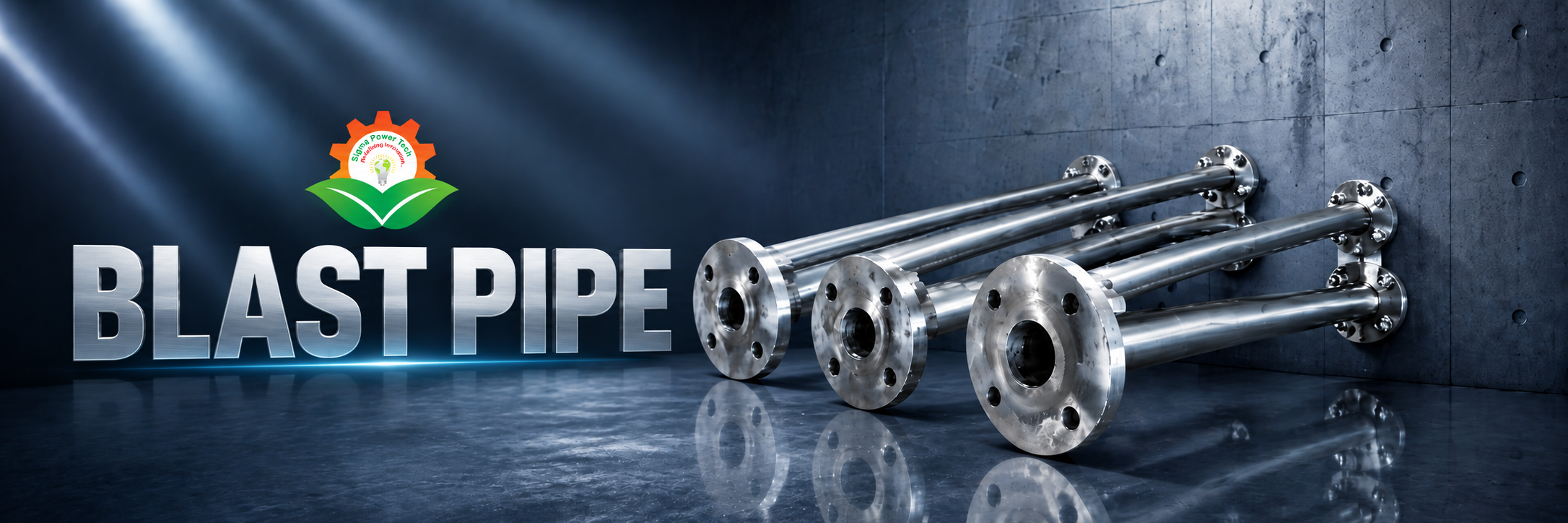
A chemical manufacturing facility installs reinforced walls, blast-resistant doors, and emergency air filtration to protect its control room. However, the project team faces one important decision—should they use a conventional exhaust system or a Blast Pipe with a dedicated blast pipe exhaust assembly? While both systems move air, only one is engineered to withstand explosion pressure and maintain the integrity of a blast-resistant structure. Understanding the differences is essential for engineers responsible for designing safe, reliable ventilation systems in high-risk environments.
Understanding a Blast Pipe
A Blast Pipe is a specially engineered ventilation component designed to pass through blast-resistant walls without weakening the surrounding structure. Unlike standard industrial piping, it is built to resist extreme blast pressure while maintaining protected airflow.
A Blast Resistant Pipe reinforces duct penetrations, distributes blast loads across structural walls, and reduces the likelihood of localized failure during an explosion. It is an essential component in facilities where both ventilation and blast protection are equally important.
What Is a Conventional Exhaust System?
A conventional exhaust system is designed to remove stale air, heat, fumes, or process gases from buildings during normal operating conditions. These systems are commonly used in factories, commercial buildings, warehouses, and manufacturing plants.
Although highly effective for everyday ventilation, conventional exhaust systems are generally not engineered to resist blast overpressure or protect structural wall penetrations. During an explosion, standard ducts and exhaust pipes may deform, collapse, or transfer damaging forces into the building structure.
Blast Pipe Exhaust vs Conventional Exhaust Systems
The primary difference lies in how each system performs under extreme conditions.
A blast pipe exhaust is engineered specifically for facilities where explosions or blast events are potential risks. Its reinforced construction helps absorb and distribute pressure loads while maintaining the integrity of blast-resistant walls.
A conventional exhaust system focuses on airflow efficiency and operational ventilation rather than structural protection.
The comparison can be summarized as follows:
- Purpose: Conventional systems provide everyday ventilation, while blast pipe exhaust systems protect ventilation pathways during explosion events.
- Structural Performance: Blast pipe systems reinforce wall penetrations; conventional systems do not.
- Pressure Resistance: Blast-resistant systems withstand high overpressure, whereas conventional systems are designed for normal operating pressures.
- Application: Blast pipe exhaust systems are intended for high-risk facilities where personnel safety and operational continuity are critical.
How Blast Pipes Protect During Explosion Pressure
When a blast wave reaches a ventilation opening, significant forces are generated within milliseconds. Without proper reinforcement, these forces can damage both the ductwork and the surrounding wall.
Blast pipes are engineered to distribute these loads evenly across reinforced structural elements instead of concentrating stress at the penetration point. This preserves the integrity of blast-resistant walls and reduces the risk of catastrophic failure.
This engineered performance makes blast-resistant ventilation systems fundamentally different from standard industrial exhaust systems.
Engineering Features That Improve Safety
High-quality blast pipe systems incorporate several important engineering characteristics.
These include:
- Reinforced steel construction
- High structural strength
- Excellent pressure resistance
- Optimized wall thickness
- Corrosion-resistant protective coatings
- Precision manufacturing for accurate installation
The Sigma Power Tech Blast Pipe is designed using these principles, providing reliable performance in demanding defense and industrial applications where long-term durability and safety are essential.
Integration with Complete Ventilation Protection Systems
A blast pipe exhaust is most effective when integrated into a complete protective ventilation solution.
Typical system components include:
- Blast valves that prevent incoming pressure waves
- Gas-tight valves that maintain sealed environments
- CBRN and NBC filtration systems for hazardous airborne contaminants
- Emergency ventilation controls
- Reinforced blast pipe assemblies for secure wall penetrations
Together, these components provide comprehensive ventilation protection during both routine operations and emergency situations.
Where Blast Pipe Exhaust Systems Are Used
Blast-resistant exhaust systems are commonly installed in:
- Defense and military facilities
- Underground shelters and bunkers
- Chemical processing plants
- Oil and gas refineries
- Nuclear and thermal power stations
- Critical government infrastructure
- Industrial manufacturing plants
- High-security laboratories
These environments require ventilation systems capable of maintaining structural protection under extreme operating conditions.
Factors That Affect Blast Pipe Pricing
Blast pipe pricing depends on engineering specifications rather than material costs alone.
Major factors include:
- Steel grade
- Pipe diameter and length
- Wall thickness
- Blast pressure rating
- Protective surface coatings
- Product certification
- Custom fabrication
- Integration with complete ventilation systems
Selecting products solely on initial purchase price often results in higher maintenance costs and reduced long-term reliability.
Choosing Reliable Blast Pipe Manufacturers in India
Experienced Blast Pipe Manufacturers in India provide more than fabricated steel products—they offer engineering expertise that supports safe system design.
Look for manufacturers that provide:
- Blast protection engineering experience
- Custom design support
- Quality-controlled manufacturing
- Product testing and technical documentation
- Integration with complete ventilation systems
- Reliable technical assistance throughout the project lifecycle
Choosing an experienced manufacturer helps ensure consistent performance in demanding applications.
Common Mistakes to Avoid
Several common procurement mistakes can reduce ventilation system performance.
These include:
- Using conventional exhaust components in blast-resistant facilities
- Ignoring compatibility with blast valves and filtration systems
- Comparing suppliers only on price
- Overlooking wall penetration engineering
- Selecting products without certification or technical documentation
- Neglecting maintenance planning
Addressing these issues during project design improves both safety and long-term operational reliability.
Improve Your Facility's Ventilation Protection
Take time to review your facility's ventilation safety setup and determine whether conventional exhaust systems meet your facility's actual risk profile.
If your infrastructure supports critical operations, consider upgrading your blast protection systems with engineered ventilation components designed for extreme conditions.
Engineers and project teams should also explore more safety insights to stay informed about evolving blast-resistant ventilation technologies.
Conclusion
Although conventional exhaust systems and a blast pipe exhaust both serve ventilation functions, their engineering objectives are entirely different. Conventional systems prioritize airflow during normal operations, while a Blast Resistant Pipe is specifically designed to protect wall penetrations, distribute explosion loads, and preserve structural integrity during blast events.
For military installations, underground shelters, chemical plants, power stations, refineries, and other critical infrastructure, investing in engineered blast-resistant ventilation is essential. By partnering with experienced Blast Pipe Manufacturers in India and choosing trusted solutions such as the Sigma Power Tech Blast Pipe, organizations can build resilient ventilation systems that continue protecting people, equipment, and operations when safety matters most.
 French
 English
 Arabic
 Spanish
 Portuguese
 Deutsch
 Turkish
 Dutch
 Italiano
 Russian
 Romaian
 Portuguese (Brazil)
 Greek