


Lipoma Treatment Explained for Better Understanding of Benign Fatty Lumps
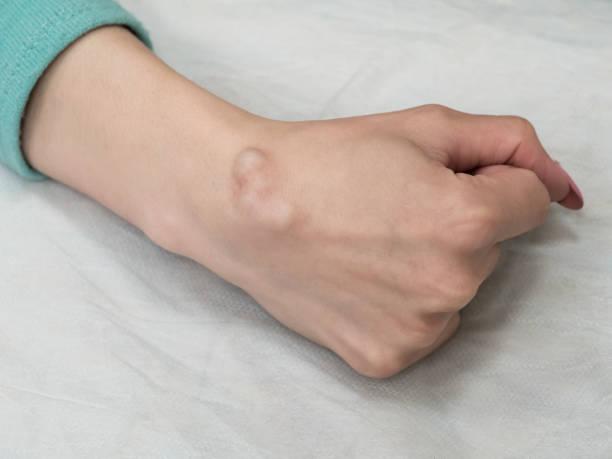
Benign fatty lumps beneath the skin can sometimes attract attention because of their size, location, or gradual growth. Lipomas are among the most common types of these growths and are generally harmless. Understanding Lipoma treatment in Riyadh can help individuals learn what lipomas are, recognize their common features, understand when professional assessment may be needed, and explore suitable management options.
What Is a Lipoma?
A lipoma is a benign growth made primarily of fatty tissue that develops beneath the skin. It commonly appears on areas such as the shoulders, back, arms, thighs, neck, and torso. Most lipomas grow slowly and remain painless, although larger growths may become noticeable or cause pressure in certain locations.
Common Features of Benign Fatty Lumps
Lipomas often feel soft or rubbery and may move slightly when touched. They usually develop gradually and can remain unchanged for long periods. However, not every lump has the same characteristics, making professional evaluation important when a growth persists.
Are Lipomas Usually Harmful?
Most lipomas are benign and do not cause serious health problems. They may simply remain under the skin without producing symptoms. Nevertheless, a new, changing, or unusual lump should be assessed rather than assumed to be a lipoma.
What Causes Lipomas?
The exact cause of many lipomas is not fully understood. They develop when fat cells form a localized growth beneath the skin. Some individuals may have a greater tendency to develop lipomas, and multiple growths can sometimes occur.
Where Can Lipomas Develop?
Lipomas can occur in different parts of the body where fatty tissue is present. Common areas include the back, shoulders, arms, thighs, and neck. Their location can influence whether they remain unnoticed or become bothersome.
How Are Lipomas Assessed?
Assessment usually begins with a physical examination. A healthcare professional may consider the lump's size, texture, mobility, location, and growth pattern. This helps determine whether its characteristics are consistent with a typical lipoma.
When Further Evaluation May Be Needed
A lump that grows rapidly, becomes painful, feels unusually firm, or changes significantly should receive professional attention. Additional assessment may be recommended when the growth does not have typical characteristics.
When Does a Lipoma Need Treatment?
Many lipomas do not require treatment when they are small, stable, and painless. However, removal may be considered when a growth causes discomfort, interferes with movement, becomes increasingly noticeable, or creates cosmetic concerns.
Reasons People Consider Removal
Some individuals seek treatment because the lump is visible or repeatedly irritated. Others may be concerned about gradual enlargement or discomfort. Discussing these concerns with a qualified professional can help determine whether removal is appropriate.
Lipoma Treatment Options
The appropriate Lipoma treatment in Riyadh depends on the growth's characteristics and the individual's needs. Observation may be suitable for some lipomas, while removal can be considered for growths that cause symptoms or persistent concerns.
Monitoring and Observation
A stable, painless lipoma may simply be monitored. Individuals should pay attention to changes in size, texture, appearance, or symptoms and seek reassessment if noticeable changes occur.
Surgical Excision
Surgical excision is a commonly used method for removing a lipoma. The growth is carefully separated from surrounding tissue and removed. The technique may vary depending on its size, location, and relationship with nearby structures.
What Happens During Lipoma Removal?
Before treatment, the area is examined and the planned approach is discussed. Appropriate anesthesia may be used to maintain comfort. The healthcare professional then carefully removes the growth while taking care around surrounding tissue.
Recovery and Aftercare
Recovery depends on the size and location of the lipoma and the technique used. Following wound-care instructions and attending recommended follow-up appointments can support proper healing. Any unexpected changes during recovery should be discussed with the healthcare provider.
Why Professional Management Matters
Understanding a fatty lump is the first step toward making an informed decision about treatment. Professional assessment can help distinguish a typical lipoma from other types of growths and determine whether monitoring or removal is appropriate. Personalized guidance also helps patients understand the procedure and recovery process.
Book an Appointment at Royal Clinic Saudi
If you have a benign fatty lump that concerns you or would like to explore removal options, Royal Clinic Saudi can provide professional assessment and personalized guidance. Booking an appointment allows you to discuss the growth and understand which management approach may be suitable for your needs.
FAQs:
What is a lipoma?
A lipoma is a benign growth made primarily of fatty tissue.
Are lipomas usually painful?
Most lipomas are painless, although some may cause discomfort because of their location.
Does every lipoma need treatment?
No. Stable and symptom-free lipomas may only require monitoring.
When should a fatty lump be assessed?
Seek professional evaluation if it grows quickly, becomes painful, or changes noticeably.
 English
 Arabic
 French
 Spanish
 Portuguese
 Deutsch
 Turkish
 Dutch
Dutch
 Italiano
 Russian
 Romaian
 Portuguese (Brazil)
 Greek
Greek