


How to Create a Clean and Comfortable Space for Home Wound Care
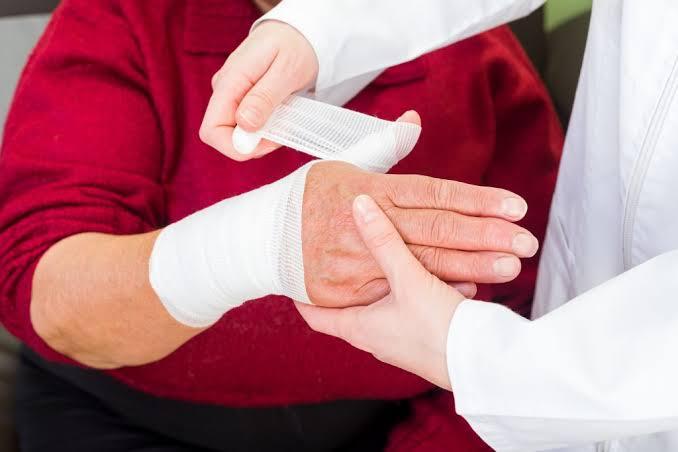
Creating a clean and comfortable environment is an important part of safe wound management, especially for patients recovering from surgery, managing chronic wounds, or healing from injuries. A well-prepared space makes dressing changes more organised, reduces the risk of contamination, and helps patients feel more relaxed during treatment. Wound Dressing at Home in Dubai allows eligible patients to receive professional care in familiar surroundings, while a Doctor at Home service can provide medical assessment when required. Whether a family member is assisting with daily care or a qualified nurse is performing the dressing change, preparing the right environment can support hygiene, comfort, and recovery. With a few practical adjustments, families can make home wound care safer, more convenient, and less stressful.
Choose a Suitable Location for Wound Care:
The first step is to select a dedicated area where wound care can be performed with minimal interruption. A clean, well-lit room with enough space for the patient and healthcare professional makes it easier to organise supplies and observe the wound properly. Choose a stable surface for placing materials and ensure the patient can sit or lie comfortably without straining the affected area. Avoid busy areas where pets, children, food preparation, or frequent movement could interfere with the procedure. When preparing the space, consider these points:
-
Select a quiet area away from household traffic.
-
Ensure there is sufficient lighting to see the wound clearly.
-
Choose a stable table or work surface for supplies.
-
Make sure the patient can access the area safely.
-
Keep pets away during dressing changes.
-
Remove clutter that could cause trips or accidental contact.
The wound care area does not need to be a separate medical room. Consistent cleaning, careful organisation, and a suitable surface can help create a practical setting for routine dressing care.
Clean the Area Before Every Dressing Change:
Cleaning the surrounding area helps reduce the chance of dirt or other contaminants coming into contact with wound care supplies. Before a dressing change, wipe down the work surface with an appropriate household disinfectant according to its label instructions, and allow it to dry before placing supplies on it. Keep food, drinks, cosmetics, and unrelated household items away from the treatment area. The nurse or caregiver should also wash their hands thoroughly before and after handling the dressing. Essential preparation steps include:
-
Clean the work surface before arranging supplies.
-
Wash hands with soap and water.
-
Use hand sanitiser when appropriate and hands are not visibly dirty.
-
Prepare a clean area for unused dressing materials.
-
Keep used dressings separate from clean supplies.
-
Dispose of waste according to the healthcare professional's instructions.
A clean environment supports infection prevention, but it does not replace proper wound care technique. Follow the prescribed cleaning and dressing instructions, and use sterile supplies whenever clinically required.
Organise Wound Care Supplies in Advance:
Having the necessary supplies ready before beginning can reduce interruptions and prevent caregivers from searching through drawers while a wound is exposed. The exact items depend on the wound and the treatment plan, so patients should follow the recommendations of their healthcare professional rather than purchasing unnecessary products. Store supplies in a clean, dry location and check packaging before use. Depending on the prescribed care plan, useful items may include:
-
The recommended wound dressings.
-
Sterile gauze or other prescribed wound care materials.
-
Disposable gloves when indicated.
-
Approved wound cleansing products.
-
Medical tape or appropriate securing materials.
-
Clean waste bags for used dressings.
-
Written care instructions and emergency contact details.
Check expiry dates and avoid using products with damaged packaging. Do not substitute household tissues, cotton wool, or unapproved creams for prescribed wound care materials. Keeping supplies together in a labelled container can make routine care easier, particularly for patients who need regular dressing changes.
Make Patient Comfort a Priority:
Comfort is essential because pain, anxiety, or an awkward position can make dressing changes more difficult. Before starting, help the patient settle into a position that supports the affected area without putting unnecessary pressure on the wound. Use pillows or other recommended supports to reduce strain, and allow enough time for the procedure without rushing. Maintain a comfortable room temperature and provide privacy by closing doors or curtains when possible. Comfort-focused preparation can include:
-
Supporting the injured limb with suitable pillows.
-
Choosing a stable chair or bed position.
-
Keeping clothing away from the treatment area.
-
Explaining each step before the procedure begins.
-
Allowing breaks if the patient becomes uncomfortable.
-
Following prescribed pain management advice.
If dressing removal causes significant pain, stop and seek guidance rather than pulling the material away forcefully. Worsening or unexpected pain should be reported to a healthcare professional because it may indicate irritation, pressure, infection, or another complication.
Maintain Hygiene During the Dressing Procedure:
Even a tidy room cannot prevent contamination if wound care supplies are handled incorrectly. The person performing the dressing change should follow the instructions provided by the nurse or treating clinician, including hand hygiene, glove use, wound cleansing, and safe disposal. Avoid touching the part of a dressing that will directly contact the wound, and do not place sterile materials on an unclean surface. Important hygiene practices include:
-
Washing hands before and after wound care.
-
Using gloves when recommended.
-
Avoiding contact between clean dressings and contaminated surfaces.
-
Following the prescribed wound cleaning method.
-
Using each dressing or disposable item as directed.
-
Keeping used materials away from fresh supplies.
Family members should not attempt procedures they have not been taught to perform. If the wound requires specialised treatment or the caregiver is unsure how to proceed, contact a qualified healthcare professional.
Ensure Proper Lighting and Safe Movement:
Good lighting helps the person performing wound care observe the wound and surrounding skin, while an accessible setup reduces the risk of falls or accidental injury. Older adults and people with mobility limitations may need extra assistance getting into position or standing up after treatment. Arrange the space before the procedure begins so that supplies are within reach and cables, rugs, or furniture do not obstruct movement. Practical safety measures include:
-
Using bright, even lighting without harsh glare.
-
Keeping walkways clear.
-
Placing essential supplies within easy reach.
-
Providing stable support when the patient changes position.
-
Using recommended mobility aids.
-
Ensuring the patient does not stand suddenly if feeling weak or dizzy.
Never compromise wound protection to make movement easier. If the patient cannot safely reach or inspect the wound, arrange suitable assistance rather than attempting a difficult dressing change alone.
Protect the Wound Between Care Visits:
Maintaining a clean environment also means protecting the wound after the dressing change is complete. Follow the prescribed schedule for dressing replacement and keep the area protected from contamination, moisture, friction, and pressure as advised. Avoid unnecessary handling, because repeatedly touching or changing a dressing can irritate the surrounding skin. Caregivers should understand what to do if a dressing becomes wet, loose, dirty, or saturated. Helpful habits include:
-
Keeping the dressing secure according to clinical instructions.
-
Avoiding unapproved creams, powders, or home remedies.
-
Protecting the wound during bathing as directed.
-
Keeping pets away from the dressing.
-
Checking for changes in pain, swelling, or discharge.
-
Recording concerns to discuss with the healthcare professional.
Seek prompt medical advice if redness spreads, pain increases, swelling develops, or unusual discharge appears. Fever, rapidly worsening symptoms, uncontrolled bleeding, or other signs of a serious complication require urgent assessment rather than waiting for the next scheduled visit.
Know When Professional Wound Care Is Needed:
Some wounds can be managed at home under an established treatment plan, while others require professional assessment, specialised dressings, or more advanced medical care. A qualified nurse can help patients understand which tasks are appropriate for caregivers and how frequently the wound should be reviewed. Home services can be particularly useful when travelling is difficult, but they should not delay urgent treatment when serious symptoms develop. Consider professional support when:
-
The wound is deep, extensive, or slow to heal.
-
The patient has diabetes or poor circulation.
-
Dressing changes are painful or difficult to perform.
-
The wound develops signs of infection.
-
The patient cannot safely reach or care for the wound.
-
The prescribed dressing requires professional application.
A suitable provider should explain the care plan, demonstrate safe techniques when appropriate, and advise when a doctor or specialist needs to assess the wound.
Final Thoughts
Creating a clean and comfortable space for home wound care involves careful preparation, good hygiene, organised supplies, patient comfort, and attention to safety. These practical steps can make dressing changes easier while helping reduce avoidable contamination and discomfort. Wound Dressing at Home in Dubai offers a convenient option for eligible patients who need professional assistance in familiar surroundings. By following clinical instructions, maintaining a suitable care area, and recognising warning signs early, patients and caregivers can support safer healing and a more comfortable recovery. When a wound becomes more painful, shows signs of infection, or fails to improve, professional medical assessment is essential.
 Russian
 English
 Arabic
 French
 Spanish
 Portuguese
 Deutsch
 Turkish
 Dutch
Dutch
 Italiano
 Romaian
 Portuguese (Brazil)
 Greek
Greek