


Cryotherapy for Wart Removal: What You Should Know
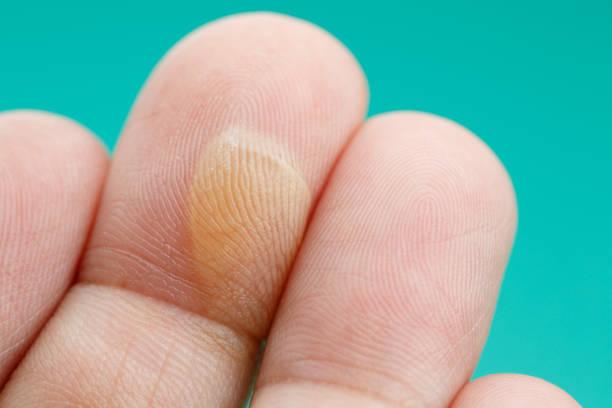
Cryotherapy is a commonly used medical treatment that involves freezing unwanted skin growths to help destroy the affected tissue. It is often used for certain types of warts that develop on the hands, fingers, and feet. Warts are caused by specific types of human papillomavirus (HPV), and they may persist, spread, or cause discomfort if left untreated. Understanding how cryotherapy works, what the procedure involves, and how the skin heals afterward can help patients make informed decisions about Warts Removal Treatment in Riyadh. Although cryotherapy can be effective, the results depend on the wart's characteristics and the individual's response to treatment.
What Is Cryotherapy for Wart Removal?
Cryotherapy is a treatment that uses extreme cold, commonly liquid nitrogen, to freeze wart tissue. The freezing process damages the affected cells and triggers a local response that helps the treated tissue break down over time. As the skin heals, the wart may gradually shrink or disappear.
A healthcare professional usually performs the procedure after examining the growth and confirming that cryotherapy is appropriate. It is commonly used for ordinary warts on the hands and plantar warts on the soles of the feet. However, the method may not be suitable for every wart, particularly those in sensitive areas or lesions whose diagnosis is uncertain.
How Does Cryotherapy Work?
Cryotherapy works by exposing the wart to controlled freezing temperatures. This damages the affected tissue and may also stimulate a local immune response. The treated area gradually recovers as the damaged tissue separates and healthy skin develops.
Preparing the Skin
Before treatment, the clinician examines the wart, assesses its size and location, and reviews relevant medical history. In some cases, thickened surface skin may be carefully reduced to help the treatment reach the wart tissue. Preparation depends on the specific wart and the clinician's approach.
Applying the Freezing Treatment
The clinician applies liquid nitrogen to the wart using a suitable medical applicator or spray technique. The freezing period depends on the wart's size, location, and thickness. Patients may feel intense cold, stinging, or brief pain during the procedure.
The Healing Process
After freezing, the area may become red or swollen, and a blister can develop. The blister or treated tissue may later form a scab that separates naturally as healing progresses. Some warts clear after one session, but repeated treatments are often necessary.
What Types of Warts Can Cryotherapy Treat?
Cryotherapy is frequently used for common warts on the hands and fingers. It may also be suitable for certain plantar warts on the soles of the feet, although these can be more challenging because of their thickness and the pressure placed on them during walking.
Other wart types require more careful assessment. Warts on the face or near the eyes may carry a greater risk of visible scarring or pigment changes, so the clinician may recommend another approach. Genital warts require separate medical evaluation and should not be treated with ordinary over-the-counter wart products. A qualified healthcare professional can determine which method is appropriate for the specific location and diagnosis.
What Are the Benefits of Cryotherapy?
Cryotherapy offers several potential benefits for suitable warts. It is usually performed during an outpatient appointment and does not generally require major surgery. The procedure is relatively quick, and the clinician can adjust the technique according to the wart's characteristics.
Another advantage is that treatment can be repeated if the wart does not clear completely. For some patients, cryotherapy may help reduce discomfort caused by warts in areas exposed to friction or pressure. However, results vary, and the treatment may not be the best option for every individual.
What Are the Possible Side Effects?
Temporary side effects are common after cryotherapy. The treated area may feel sore, become red or swollen, or develop a blister. As the skin heals, a scab may form, and temporary changes in skin color can occur.
Less commonly, treatment can cause infection, persistent pain, nerve irritation, or scarring. Changes in pigmentation may be more noticeable in darker skin tones. The risk depends on the treatment intensity, location, and individual skin characteristics. Discussing these possibilities with a qualified clinician helps patients understand the benefits and limitations before proceeding.
How Long Does Skin Take to Heal After Cryotherapy?
Healing time varies according to the wart's size, location, and the intensity of freezing. Small treatment sites may begin healing within several days, while larger or deeper areas can take a few weeks. Warts on the soles of the feet may need additional recovery time because walking creates pressure on the treated skin.
Following aftercare instructions can support recovery. Keep the area clean as advised, avoid picking at blisters or scabs, and protect the site from friction. Do not apply additional wart-removal products to freshly treated skin unless your clinician recommends them. Seek medical advice if pain increases, redness spreads, pus appears, or the wound does not seem to be healing normally.
How Many Cryotherapy Sessions Are Needed?
Some small warts respond to one session, but many require several treatments spaced over a period of weeks. Thick plantar warts and long-standing growths may be more resistant than smaller common warts. The clinician will assess the response after each session and determine whether further treatment is appropriate.
It is important to understand that treating a wart in one appointment does not mean the skin will heal immediately. The treated tissue needs time to recover, and recurrence remains possible because HPV may persist in surrounding skin.
Is Cryotherapy Suitable for Everyone?
Cryotherapy may be suitable for many people with common warts, but an individual assessment is important. People with poor circulation, reduced skin sensation, certain immune conditions, or a history of abnormal wound healing should discuss their medical history before treatment. Extra caution may also be needed when treating sensitive areas or lesions that have an unusual appearance.
Professional Warts Removal Treatment in Riyadh begins with evaluating the skin growth and selecting a method based on its location, appearance, and the patient's health. This helps reduce avoidable risks and ensures that other skin conditions are not mistakenly treated as warts.
Book a Consultation at Royal Clinic Saudia
If you are considering cryotherapy for a persistent or uncomfortable wart, consider arranging a consultation at Royal Clinic Saudia. A qualified healthcare professional can assess the affected area, explain suitable treatment options, and provide personalized aftercare guidance to support recovery.
FAQs:
Does cryotherapy remove warts permanently?
Cryotherapy can successfully remove many warts, but permanent clearance is not guaranteed. Warts may return if HPV remains in nearby skin, and some cases require additional treatment.
Is cryotherapy painful?
Patients may experience intense cold, stinging, or brief pain during freezing. Tenderness or blistering can occur afterward, and discomfort varies depending on the wart's size and location.
Can I walk after cryotherapy for a plantar wart?
Many people can walk after treatment, but tenderness may make walking uncomfortable. Follow your clinician's advice about protecting the treated area and reducing pressure until it heals.
When should I contact a doctor after cryotherapy?
Seek medical advice if you experience worsening pain, spreading redness, increasing swelling, pus, fever, or delayed healing. These symptoms may indicate a complication that requires assessment.
 English
 Arabic
 French
 Spanish
 Portuguese
 Deutsch
 Turkish
 Dutch
Dutch
 Italiano
 Russian
 Romaian
 Portuguese (Brazil)
 Greek
Greek