


Can Lipedema Be Managed With Compression Garments?
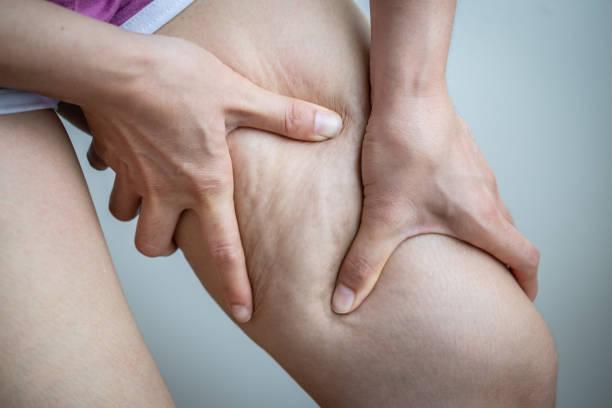
Lipedema is a chronic condition that causes an abnormal buildup of fat tissue, usually around the legs and sometimes the arms. People with lipedema may experience tenderness, easy bruising, heaviness, and discomfort that interferes with daily activities. Compression garments are commonly used as part of conservative care because they can help reduce pain and improve comfort for some patients. When considering Treatment of lipedema in Riyadh (علاج الوذمة الشحمية في الرياض), understanding how compression works can help patients discuss suitable options with a qualified healthcare professional.
Although compression garments can support symptom management, they do not remove lipedema fat or cure the condition. Their effectiveness depends on factors such as garment fit, compression level, individual symptoms, and whether another condition, such as lymphedema, is also present. Treatment of lipedema in Riyadh may involve compression alongside physical activity, skin care, nutritional guidance, and other individualized approaches. A medical assessment can help determine which combination is most appropriate for each patient.
What Are Compression Garments for Lipedema?
Compression garments are specially designed clothing items that apply controlled pressure to specific parts of the body. They may include medical compression leggings, stockings, tights, shorts, or sleeves, depending on which areas are affected.
These garments support the tissues and may help reduce pain, tenderness, and discomfort during everyday movement. They can also help manage associated swelling, particularly when a patient has another condition affecting fluid drainage.
Compression garments should not be confused with ordinary tight clothing. Medical compression products are designed to provide a more consistent level of pressure, and the appropriate garment should be selected according to the patient's needs.
How Do Compression Garments Help Manage Lipedema?
May Reduce Pain and Tenderness
Lipedema can cause affected tissues to feel sensitive or painful when touched. Compression provides external support that may make movement and daily activities more comfortable. Some people find that wearing a properly fitted garment reduces the sensation of heaviness or tenderness.
The response varies from person to person, and compression may not relieve symptoms completely.
Support Everyday Mobility
Heaviness and discomfort can make walking, standing, or exercising difficult. For some patients, compression garments provide support that makes these activities more manageable. Wearing a suitable garment during physical activity may also help some people feel more comfortable while moving.
Help Manage Associated Swelling
Lipedema primarily involves abnormal fat tissue, but some patients also experience fluid accumulation or have coexisting venous or lymphatic conditions. In these situations, compression may help manage the fluid-related component of symptoms.
If swelling is persistent, new, or worsening, a healthcare professional should assess the cause rather than assuming it is entirely due to lipedema.
Support a Broader Treatment Plan
Compression is usually one component of a broader management strategy. Depending on individual needs, treatment may also include appropriate exercise, skin care, nutritional support, and specialist follow-up. Some patients may be assessed for surgical options if symptoms remain significantly limiting despite conservative care.
What Types of Compression Garments Are Available?
Compression Leggings and Tights
These garments cover much or all of the legs and may be suitable when lipedema affects the thighs and lower limbs. Some designs extend to the waist to provide coverage over a larger area.
Medical Compression Stockings
Stockings may be appropriate when symptoms mainly affect the lower legs. The correct length and pressure depend on the affected areas and the patient's medical needs.
Compression Shorts
Compression shorts may provide support around the hips and upper thighs. They can be considered when these areas are affected, provided the garment fits comfortably and does not create painful pressure around the waist or leg openings.
Compression Sleeves
For people with lipedema affecting the arms, compression sleeves may provide targeted support. A specialist can help determine whether sleeves alone or a different garment design is appropriate.
The best option depends on the distribution of affected tissue, limb shape, skin sensitivity, and the person's ability to put on and remove the garment.
How Do You Choose the Right Compression Garment?
Choosing the right garment is important for comfort and effective symptom management. A healthcare professional or trained compression fitter can assess your needs and recommend an appropriate product.
Consider the following factors:
-
Correct sizing: Accurate measurements help prevent slipping, bunching, or excessive pressure.
-
Suitable compression level: Stronger compression is not automatically better. The level should reflect your symptoms, health, and tolerance.
-
Comfortable material: Fabric should be suitable for your skin and climate, especially if you have sensitive skin or tend to feel hot.
-
Appropriate coverage: Choose a design that covers the areas where support is needed without creating painful pressure at the edges.
-
Ease of use: If putting on or removing a garment is difficult, ask about alternative designs or dressing aids.
Some patients need custom-fitted garments, particularly when limb shape changes significantly along its length. Medical advice is especially important if you have circulation problems, reduced sensation, fragile skin, or other conditions that could make compression unsafe.
How Long Should You Wear Compression Garments?
The recommended wearing schedule varies according to symptoms, the garment prescribed, and any other medical conditions. Some patients wear compression during the day, particularly when standing or moving for long periods. Others may need a different schedule based on their treatment plan.
Follow the instructions provided by your clinician or compression fitter. Check your skin regularly, keep the garment clean, and ensure that it remains properly positioned. Do not assume that wearing compression continuously or choosing a higher pressure will produce better results.
If a garment causes increasing pain, numbness, tingling, skin discoloration, or unusual coldness in the affected area, remove it if safe to do so and seek medical advice promptly. Severe or persistent symptoms require urgent assessment.
Can Compression Garments Replace Other Lipedema Treatments?
Compression garments can help manage symptoms, but they are not a standalone cure. They do not eliminate abnormal fat deposits, and they may not provide enough relief for every patient.
A broader management plan may include low-impact exercise, skin care, nutritional guidance, and physical therapy when appropriate. If symptoms remain severe, a specialist may discuss lipedema reduction surgery, which aims to remove some affected fat tissue in carefully selected patients. Surgery has risks and does not guarantee a cure.
A personalized plan can help patients understand what compression can realistically achieve and whether additional treatment may be useful.
Book a Lipedema Consultation at Royal Clinic Saudia
If you experience tenderness, heaviness, or discomfort associated with lipedema, a consultation at Royal Clinic Saudia (عيادات رويال كلينك) can help you explore suitable management options. A qualified specialist can assess your symptoms, discuss compression and other conservative approaches, and explain when further evaluation or surgical treatment may be appropriate. Choosing a treatment plan based on your individual needs can help you make informed decisions about ongoing care.
FAQs:
Do compression garments reduce lipedema fat?
No. Compression garments do not remove or dissolve lipedema fat. They may help reduce pain, tenderness, and discomfort and can help manage associated swelling in some patients.
Can I wear compression leggings every day for lipedema?
Some patients use compression garments daily, but the appropriate schedule depends on their symptoms, health, and prescribed garment. Ask a healthcare professional for guidance on fit, pressure, and duration.
What compression level is best for lipedema?
There is no single compression level that is right for everyone. The appropriate pressure depends on individual symptoms, limb shape, circulation, and tolerance. A qualified clinician or trained fitter can help determine a suitable option.
Are compression garments enough to manage lipedema?
They may provide meaningful symptom relief, but they do not cure lipedema or remove affected fat tissue. Many patients benefit from a broader management plan that may include physical activity, skin care, and other individualized treatments.

 English
 French
 Spanish
 Portuguese
 Deutsch
 Turkish
 Dutch
Dutch
 Italiano
 Russian
 Romaian
 Portuguese (Brazil)
 Greek
Greek