


Eyelid Surgery in Islamabad: What Is the Difference Between Skin Removal and Fat Repositioning?
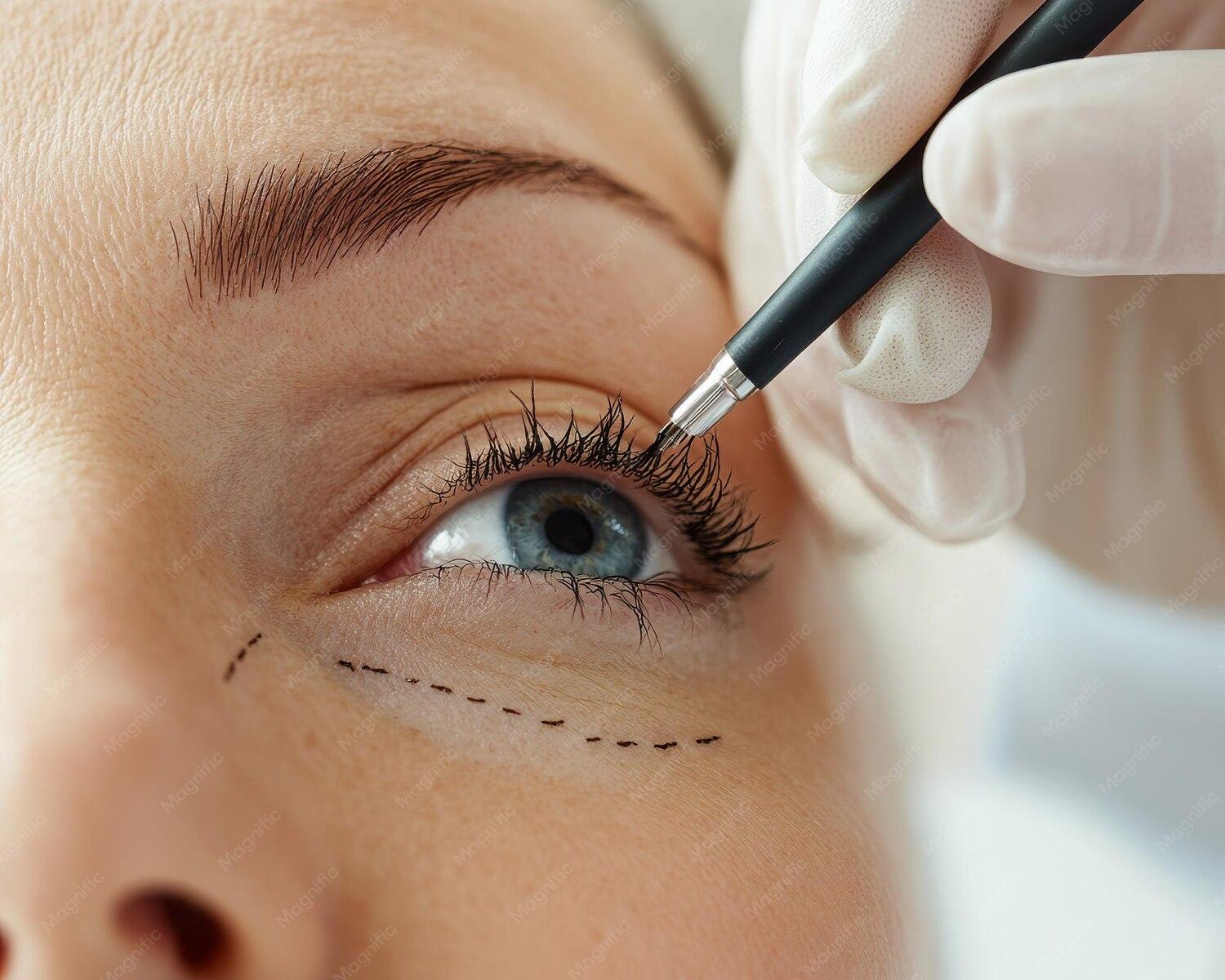
Do your eyelids look heavy, or do you notice puffy under-eye bags that make you appear tired even after a full night's sleep? These concerns are common, but the right solution depends on what is causing the change around your eyes. Sometimes excess skin is the main issue, while in other cases, the position of the underlying fat plays a bigger role.
This is why understanding the difference between skin removal and fat repositioning is important before considering Eyelid Surgery in Islamabad. Both techniques can be used in eyelid surgery, but they serve different purposes and are not suitable for every patient.
What Is Eyelid Surgery?
Eyelid surgery, medically known as blepharoplasty, is a procedure that addresses selected concerns involving the skin, fat, and other tissues around the upper or lower eyelids. Depending on your anatomy and goals, the surgeon may remove excess skin, reposition fat, or combine techniques.
Some people seek treatment for loose upper eyelid skin that creates a heavy appearance. Others are concerned about under-eye bags, hollows, or an uneven transition between the lower eyelids and cheeks.
The purpose of blepharoplasty is to improve eyelid appearance or function while preserving natural movement and eye protection. A proper examination helps determine which tissue needs attention and which surgical approach is most appropriate.
What Is Skin Removal in Eyelid Surgery?
Skin removal involves carefully removing a measured amount of excess skin from the eyelid. It is commonly considered when the skin has lost elasticity and begins to fold, sag, or hang over the natural eyelid crease.
For upper eyelid surgery, the incision is generally placed within the natural crease. This allows the surgeon to remove selected skin while positioning the resulting scar in a less noticeable area.
Skin removal focuses on excess skin rather than directly correcting the position of the underlying fat. It may help improve a heavy or hooded appearance, but removing too much skin can cause problems with eyelid closure and eye comfort.
For this reason, the surgeon must assess how much skin can be safely removed. The goal is a balanced result, not the removal of as much tissue as possible.
What Is Fat Repositioning?
Fat repositioning is a technique in which the surgeon moves existing fat from one area to another instead of simply removing it. It is often considered during lower eyelid surgery when prominent under-eye bags sit beside a hollow or depressed area.
For example, fat beneath the eyes may bulge forward, creating a noticeable bag, while the area immediately below it appears sunken. Repositioning some of this fat can help create a smoother transition between the lower eyelid and cheek.
Fat repositioning aims to improve contour by redistributing existing tissue. It does not necessarily involve removing excess skin, although both techniques may be combined when a patient has multiple concerns.
The approach must be carefully planned because the amount and position of fat differ between individuals. Not everyone with under-eye bags needs fat repositioning, and some patients may benefit from another technique.
Skin Removal vs Fat Repositioning: What Is the Difference?
Although both techniques may be part of blepharoplasty, they address different anatomical concerns. Skin removal targets excess or loose skin, whereas fat repositioning changes the location of selected fat to improve the contour around the eyes.
Skin removal may be more relevant when upper eyelid skin folds over the crease or when excess lower eyelid skin contributes to a wrinkled appearance. Fat repositioning may be considered when under-eye bags and nearby hollows create an uneven contour.
The best technique depends on the cause of the concern, not simply how the eyelids look in a photograph. Some patients need only one technique, while others may benefit from a combination after a professional assessment.
Which Technique May Be Right for You?
The appropriate approach depends on your skin quality, eyelid anatomy, age-related changes, and desired outcome. During a consultation for Eyelid Surgery in Islamabad, the surgeon should assess the upper and lower eyelids separately rather than assuming that one method will address every concern.
You may be assessed for the following issues:
- Loose upper eyelid skin: Skin removal may help when excess skin creates a hooded appearance or interferes with vision.
- Prominent under-eye bags: Fat removal or repositioning may be considered depending on the amount of fat and the surrounding contour.
- Under-eye hollows: Fat repositioning may help selected patients when hollows exist alongside prominent fat pockets.
- Loose lower eyelid skin: An external incision and carefully planned skin removal may be considered when excess skin is significant.
- Combined concerns: A combination of skin removal and fat repositioning may be appropriate when both problems are present.
These are general examples rather than a way to diagnose yourself. A personalised examination is essential because skin quality, eyelid support, and eye health can influence the safest approach.
Can Skin Removal and Fat Repositioning Be Combined?
Yes, both techniques can sometimes be performed during the same operation. A patient may have excess skin along with prominent fat or hollows, making a combined approach worth considering.
For example, upper eyelid surgery may involve removing excess skin, while lower eyelid surgery may focus on repositioning fat to improve the under-eye contour. The exact plan depends on the individual's anatomy and whether treatment of both areas is necessary.
Combining techniques does not automatically produce better results. The surgeon should recommend each adjustment for a specific reason and avoid unnecessary tissue removal or repositioning.
What About Recovery and Scarring?
Recovery depends on the procedure performed, the extent of surgery, and your individual healing response. Swelling, bruising, tightness, and temporary irritation can occur after either skin removal or fat repositioning.
Incisions for upper eyelid skin removal are commonly placed within the natural crease. Lower eyelid surgery may involve an incision just below the eyelashes or, in selected cases, inside the eyelid; the choice depends on whether the surgeon needs to address skin as well as deeper tissues.
Many patients resume routine activities within around one to two weeks, although this varies. Scars and swelling can take several months to mature and settle, so the final result should not be judged too early.
Follow your surgeon's instructions for wound care, activity restrictions, and follow-up appointments. Sudden vision changes, severe eye pain, or rapidly increasing swelling require urgent medical attention.
What Are the Risks of Each Technique?
Both skin removal and fat repositioning carry risks, including bleeding, infection, scarring, asymmetry, dry eyes, and changes in eyelid position. Removing too much skin can make it difficult to close the eyes comfortably, while inappropriate fat removal or repositioning can lead to a hollow or uneven appearance.
The risks depend on your anatomy, health, the technique used, and the surgeon's experience. Careful planning is especially important around the eyes, where small changes can affect both appearance and function.
Before surgery, discuss existing dry-eye symptoms, previous eye procedures, medications, allergies, and any history of healing problems. Your surgeon should explain the potential benefits, limitations, and alternatives before you decide.
Choosing the Right Approach for Eyelid Surgery in Islamabad
When comparing clinics, look for qualified surgeons with relevant experience in eyelid procedures and a willingness to explain why a particular technique is recommended. Ask whether your main concern comes from excess skin, prominent fat, hollowing, or a combination of these factors.
Review the proposed treatment plan, expected recovery, possible complications, and follow-up arrangements. A good surgical plan should prioritise eye health, natural-looking contours, and realistic expectations, rather than promising perfect symmetry or a completely wrinkle-free appearance.
Final Thoughts
Skin removal and fat repositioning serve different purposes in eyelid surgery. Skin removal addresses excess skin, while fat repositioning redistributes tissue to improve contour; the two may also be combined when clinically appropriate.
If you are considering Eyelid Surgery in Islamabad, Dynamic Clinic PK can be a starting point for discussing your concerns and treatment options. Its clinical expertise, board-certified surgeons, and advanced techniques can support a personalised conversation about eyelid anatomy, suitable surgical approaches, and realistic outcomes.
Meta Description: Compare skin removal and fat repositioning with Eyelid Surgery in Islamabad. Learn about suitable candidates, recovery, benefits, and risks.
 Greek
Greek
 English
 Arabic
 French
 Spanish
 Portuguese
 Deutsch
 Turkish
 Dutch
Dutch
 Italiano
 Russian
 Romaian
 Portuguese (Brazil)