


Hair Transplant in Al Ain for Patchy Hair Loss Restoration
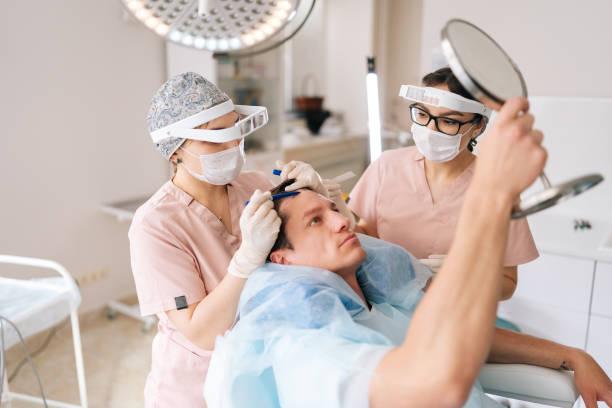
Patchy hair loss creates areas where density changes sharply from one section of the scalp to another. Hair Transplant in Al Ain may be appropriate in selected cases when the affected patches are stable, the cause is understood, and enough suitable donor follicles are available.
A patch should not automatically be treated as a transplant problem. Some forms of localized hair loss can be active or medically related, making diagnosis an essential first step.
Understanding Patchy Hair Loss
Localized Areas of Reduced Density
A patch can range from a small area with reduced density to a larger section where follicles are no longer producing visible hair.
The shape, location, and surrounding hair pattern can provide useful information during assessment.
Stable Versus Active Loss
The stability of the patch matters. If the area is continuing to expand, transplantation may not be appropriate until the underlying condition has been evaluated.
A stable area gives the clinician a clearer target for graft placement.
Why Diagnosis Comes Before Transplantation
Different Causes Need Different Approaches
Patchy hair loss can have several possible causes. Pattern-related loss, trauma, scarring, and certain medical conditions do not behave in the same way.
A clinical assessment may therefore consider:
- When the patch first appeared
- Whether it has expanded
- Scalp appearance
- Existing hair around the patch
- Previous injuries or procedures
- Donor-area quality
Active Hair Loss Can Change the Plan
If a patch is unstable, placing grafts immediately may not solve the underlying problem.
The clinician may recommend further evaluation or stabilization before considering surgical restoration.
Planning Grafts Around Existing Hair
Blending Is the Main Challenge
Patchy loss often leaves native hairs around the affected area. New grafts must be positioned so they blend with these follicles rather than creating a visible boundary.
Density should therefore transition gradually.
Matching Direction
Hair direction can change around different parts of the scalp. The new grafts need to follow the surrounding pattern.
This is especially important when the patch sits near the hairline, temple, or crown.
FUE and DHI for Patch Restoration
FUE
FUE allows individual follicular units to be extracted and transplanted into selected areas. It can be useful for targeted restoration when the donor area is suitable.
DHI
DHI provides controlled implantation of prepared grafts and can be considered when careful positioning among existing follicles is needed.
Technique selection should follow the patient's clinical requirements.
For patients exploring hair restoration for patchy loss in Al Ain, an assessment can help determine whether transplantation is suitable.
Patchy Hair Loss With Scarring
Scar Tissue Changes the Recipient Area
A scarred patch may have different elasticity and blood supply from normal scalp tissue. These factors can influence how grafts are placed and how they grow.
Expectations Need to Be Realistic
Transplanting into scar tissue can produce variable growth. The condition and maturity of the scar should therefore be evaluated before treatment.
Questions Patients Ask
“Can Every Bald Patch Be Filled With Grafts?”
No. The cause and stability of the patch need to be established first. Active or unexplained hair loss may require further assessment.
“Can I Treat a Small Patch Without Treating the Rest of My Scalp?”
Yes, if the patch is stable and localized. Treatment can sometimes focus on the specific area.
“Will the New Hair Match My Existing Hair?”
The goal is to match hair direction, caliber, and distribution as closely as possible. The final result depends on donor quality and recipient-area characteristics.
How a Patch Restoration Plan Is Built
A focused treatment plan may involve:
- Documenting the location and size of the patch.
- Determining whether the loss is stable.
- Assessing surrounding native follicles.
- Checking donor density.
- Selecting appropriate follicular units.
- Planning the direction and spacing of grafts.
- Allowing for possible future changes.
This creates a restoration strategy based on the actual patch rather than treating every case identically.
Recovery After Patch Restoration
Recovery depends on the number of grafts and treatment area. Temporary redness, tenderness, crusting, or swelling may occur.
Transplanted hairs can shed during the early phase before new growth begins. Patients should follow their personalized aftercare instructions throughout healing.
Situations That May Require Further Evaluation
Transplantation may not be the immediate choice when:
- The patch is actively expanding.
- The cause has not been identified.
- Donor density is poor.
- The recipient area has significant scarring.
- Native hair around the patch is rapidly thinning.
A careful diagnosis helps avoid treating the visible symptom while overlooking the underlying cause.
Final Thoughts
Patchy hair loss needs individualized assessment because the same visible symptom can have very different causes. Once the area is stable and transplantation is considered appropriate, precise graft placement can help blend the restored section with surrounding hair.
Patients considering Hair Transplant in Al Ain can discuss their patch pattern, donor availability, and restoration options with Tajmeels Clinic.
 Spanish
 English
 Arabic
 French
 Portuguese
 Deutsch
 Turkish
 Dutch
Dutch
 Italiano
 Russian
 Romaian
 Portuguese (Brazil)
 Greek
Greek