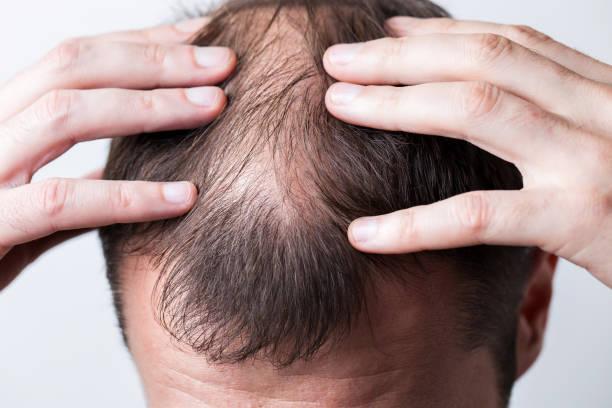
Hair loss is a widespread condition that affects both men and women, often leading to reduced confidence and concern about appearance. The good news is that modern Hair Loss Treatment options are diverse, advanced, and tailored to different causes and stages of hair thinning. Understanding these treatment types helps individuals choose the most suitable approach for restoring hair health and improving overall scalp condition.
Different Hair Loss Treatment methods work in different ways—some focus on stimulating hair growth, others on slowing down hair fall, and some aim to restore lost hair permanently. Knowing how each option works makes it easier to create a personalized plan that delivers effective and long-lasting results.
Why Understanding Treatment Types Matters
Not all hair loss cases are the same, so treatment must be customized based on the underlying cause.
Importance of Proper Selection
Choosing the right treatment helps to:
- Target the root cause of hair loss
- Improve hair density effectively
- Prevent further hair thinning
- Achieve better long-term results
- Avoid unnecessary procedures
Non-Surgical Hair Loss Treatments
Non-surgical options are often the first step in managing hair loss, especially in early to moderate stages.
Topical Treatments
These are applied directly to the scalp to stimulate hair follicles and support regrowth.
Benefits include:
- Easy daily application
- Helps reduce shedding
- Supports follicle nourishment
- Improves hair texture over time
Oral Medications
Oral treatments help address internal factors contributing to hair loss, especially hormonal imbalance.
They may:
- Slow hair loss progression
- Support stronger regrowth
- Help maintain existing hair
Platelet-Rich Plasma (PRP) Therapy
PRP therapy is a popular regenerative Hair Loss Treatment that uses growth factors from the patient’s own blood.
Key benefits:
- Improves follicle activity
- Strengthens thinning hair
- Enhances natural regrowth
- Minimal downtime
Exosome Therapy
Exosome treatment is an advanced regenerative option that supports cellular repair in the scalp.
It may:
- Boost follicle communication
- Improve scalp health
- Encourage new hair growth
- Support hair density
Low-Level Laser Therapy (LLLT)
This treatment uses light energy to stimulate hair follicles and improve blood flow.
Benefits include:
- Non-invasive procedure
- Enhances hair strength
- Supports thicker hair growth
- Suitable for ongoing maintenance
Surgical Hair Loss Treatment
Surgical options are recommended for individuals with advanced hair loss or permanent bald areas.
Hair Transplantation
Hair transplantation involves moving healthy hair follicles from donor areas to thinning or bald regions.
Advantages include:
- Natural-looking results
- Permanent hair restoration
- Improved hairline design
- Better scalp coverage
This is considered one of the most effective long-term solutions for significant hair loss.
Supportive and Preventive Treatments
These methods help maintain hair health and prevent further thinning.
Scalp Microneedling
Microneedling creates controlled micro-injuries in the scalp to stimulate healing and improve absorption of treatments.
Benefits:
- Enhances follicle stimulation
- Improves product absorption
- Supports thicker hair growth
- Can be combined with PRP
Nutritional Therapy
Proper nutrition plays a major role in maintaining healthy hair.
Important nutrients include:
- Protein
- Iron
- Zinc
- Biotin
- Vitamin D
- Omega-3 fatty acids
Stress Management
Stress can significantly impact hair health and lead to increased shedding.
Helpful practices include:
- Regular exercise
- Meditation
- Proper sleep routine
- Relaxation techniques
Choosing the Right Hair Loss Treatment
Selecting the right option depends on multiple personal factors.
Key Considerations
- Cause of hair loss
- Severity of thinning
- Age and health condition
- Treatment goals
- Lifestyle preferences
A professional consultation ensures the most effective and safe treatment plan.
What Results Can You Expect?
Results vary depending on the treatment type and consistency.
Common Improvements
- Reduced hair shedding
- Increased hair thickness
- Better scalp coverage
- Improved hair texture
- Healthier growth cycles
Hair restoration is a gradual process, and patience is essential for achieving optimal outcomes.
Conclusion
Understanding the different types of Hair Loss Treatment is essential for choosing the right solution for your condition. From non-surgical therapies like PRP, exosomes, and laser therapy to surgical hair transplantation and supportive lifestyle changes, each method plays a unique role in restoring hair health. With proper diagnosis and a personalized approach, individuals can effectively manage hair loss and achieve fuller, healthier-looking hair over time.
Book Your Consultation Today
If you are experiencing hair loss and want expert guidance, the specialists at Royal Clinic Saudia can help. Book a consultation today to receive a personalized evaluation and discover the most suitable treatment plan tailored to your hair restoration needs.
FAQs:
What is the most effective type of hair loss treatment?
The most effective treatment depends on the cause and severity of hair loss, ranging from PRP therapy and medications to hair transplantation.
Can non-surgical treatments regrow hair?
Yes, many non-surgical treatments can stimulate regrowth, especially in early stages of hair loss.
How do I know which treatment is right for me?
A professional scalp evaluation helps determine the underlying cause and the most suitable treatment option.
Is hair transplant a permanent solution?
Yes, hair transplant procedures are considered a long-term or permanent solution for suitable candidates.


 English
 Arabic
 French
 Spanish
 Portuguese
 Deutsch
 Turkish
 Dutch
Dutch
 Italiano
 Russian
 Romaian
 Portuguese (Brazil)
 Greek
Greek