


10 Direct Mail Campaign Ideas to Increase Customer Engagement
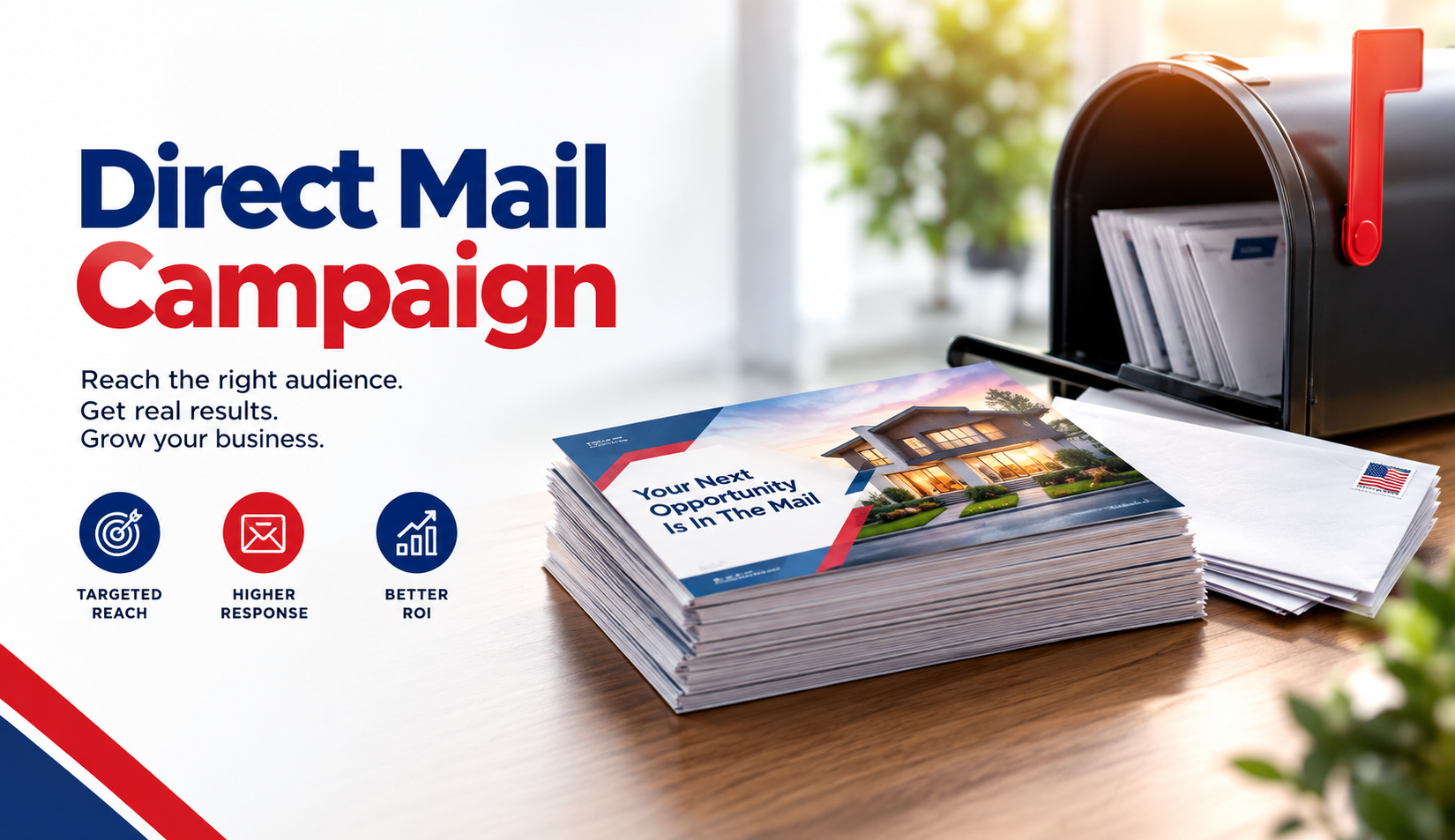
Businesses often blame direct mail when a campaign produces little response, but the format itself rarely causes the problem. We usually find a more practical issue: the recipient has no strong reason to notice the piece, keep it, scan it, call, or take another step.
A well-planned Direct Mail Campaign works differently. It connects the audience, message, format, timing, and response path so the recipient understands why the mailpiece matters. That does not require aggressive discounts or complicated creative. It requires relevance.
From our experience with print and mailing projects, engagement improves when businesses stop treating direct mail as a one-time advertisement and start using it as part of a customer conversation. The following campaign ideas give businesses practical ways to create that conversation without overloading recipients or relying on gimmicks.
Build Direct Mail Around Customer Engagement, Not Just Reach
Mailing more pieces does not automatically create more engagement. A campaign can reach thousands of households and still generate little interest when everyone receives the same broad message.
We recommend starting with one question: what should the recipient think, feel, learn, or do after seeing the piece? The answer shapes the mailing list, creative format, headline, offer, and response mechanism.
Give Every Mailpiece One Main Job
A postcard should not try to introduce a company, explain five services, promote three discounts, request referrals, and announce an event at the same time.
We see this problem frequently. Businesses want to maximize every square inch because printing and postage cost money, yet too much information usually makes the piece harder to understand.
Choose one primary objective and let supporting content reinforce it.
Remove Friction From The Next Step
If the recipient wants to respond, make that action simple.
A phone number should remain easy to find. A QR code should open a relevant page. A web address should lead to the campaign content rather than a generic homepage. An appointment offer should explain how someone can schedule.
Small usability decisions often influence engagement more than additional promotional language.
1. Send A Welcome Mailer To New Customers
New customers already completed one of the hardest steps: they chose the business once. A thoughtful welcome mailer can help continue that relationship while giving the customer useful information.
We often recommend this approach for healthcare practices, home service companies, financial services, membership businesses, retailers, salons, and companies with repeat-purchase opportunities.
Make The Mailpiece Useful After The First Purchase
A welcome piece does not need to push another sale immediately.
It can explain what happens next, provide contact information, list maintenance tips, share appointment guidance, introduce support resources, or answer common questions customers normally ask after purchasing.
Useful information gives the recipient a reason to keep the mailer.
Avoid Turning The Welcome Into Another Advertisement
One common mistake involves filling the entire piece with additional offers.
The customer just made a decision. A constant push for the next transaction can make the communication feel transactional rather than helpful.
We prefer balancing business information with practical guidance and a simple next step.
2. Create A Lapsed Customer Reactivation Campaign
Most businesses have customers who purchased before but stopped returning. These people already know the company, which makes them a very different audience from cold prospects.
A reactivation campaign can reconnect with customers based on the time since their last purchase, appointment, membership activity, or service.
Segment Customers By Time Since Last Activity
A customer who disappeared three months ago may need a different message from someone who has not returned in two years.
We often divide inactive customers into practical time ranges. The exact periods depend on the normal purchasing cycle.
A dental practice, restaurant, auto service business, and home improvement company will naturally use different definitions of “lapsed.”
Give Customers A Reason To Reconsider
The message should acknowledge the relationship without sounding artificial.
A business might remind customers about a service they previously used, explain something new, provide a seasonal reason to return, or simply let them know the business remains available.
Reactivation works best when the mailpiece answers the question: why should this customer care now?
3. Use Seasonal Reminder Mailers
Many customer needs follow predictable schedules.
HVAC maintenance, tax preparation, landscaping, dental care, pest control, vehicle maintenance, holiday shopping, property services, and wellness programs often connect naturally to particular times of year.
That makes seasonal direct mail useful because the timing itself adds relevance.
Mail Before The Need Becomes Urgent
We recommend planning seasonal campaigns before peak demand arrives.
A homeowner should receive an air-conditioning maintenance reminder before the hottest part of summer rather than after the system already fails. A retailer should prepare holiday mail before customers finish their shopping.
Good timing gives recipients room to act.
Connect The Season To A Real Customer Need
Do not add seasonal graphics simply because a holiday appears on the calendar.
The message should explain why the timing matters. A useful seasonal campaign might focus on preparation, maintenance, planning, availability, deadlines, or another timely concern.
That connection makes the campaign feel practical rather than decorative.
4. Send Educational Checklists And How-To Mailers
Not every direct mail campaign needs to lead with a promotion.
Educational mail can build engagement by helping recipients understand a problem, prepare for a decision, or avoid a common mistake. We often find these pieces useful for businesses where customers need information before they feel ready to contact someone.
Turn Expertise Into A Simple Checklist
A roofing company might create a “5 Signs Your Roof Needs Attention” postcard. A dentist could share a short oral-health checklist. A real estate professional might provide a moving preparation guide.
The key involves keeping the advice specific enough to help.
A vague list of generic tips gives the recipient little reason to keep the piece.
Leave Enough Space For The Information To Breathe
Educational mail often fails because businesses try to fit a blog article onto a postcard.
We recommend choosing a few useful points and giving them enough visual space. If the topic requires more depth, direct the reader to a relevant page where they can continue learning.
The printed piece should start the interaction rather than contain every possible detail.
5. Use Customer Thank-You And Milestone Mailers
Customers hear from businesses frequently when someone wants them to buy something. They hear from them much less often when there is no immediate transaction attached.
A simple thank-you or milestone mailer can create a different kind of engagement.
Recognize Meaningful Customer Moments
Businesses can acknowledge a first purchase, membership anniversary, project completion, recurring-service milestone, or another relevant moment from their own customer records.
The message should remain genuine and concise.
We do not recommend inventing a celebration around insignificant data just to create another marketing touchpoint.
Keep The Design Personal Without Overdoing It
Variable data printing can help businesses add names, customer-specific details, or appropriate offers when the data remains accurate.
Personalization works best when it adds context.
Printing someone’s first name in giant letters does not make an irrelevant offer suddenly meaningful.
6. Promote Events With Printed Invitations
Events give direct mail a clear purpose.
Grand openings, workshops, seminars, open houses, customer appreciation days, product demonstrations, community events, and in-store activities can all benefit from a physical invitation.
The mailpiece gives the recipient something tangible to reference when planning attendance.
Include The Information People Actually Need
Event mail should answer the practical questions immediately.
Include the date, time, location, purpose, registration instructions when necessary, and any deadline the recipient needs to know.
We often see event designs dedicate too much space to decorative graphics while hiding important logistics in small print.
Give The Invitation A Clear Response Path
If the event requires registration, explain exactly how to register.
A QR code, short URL, phone number, or simple reply method can work depending on the audience.
Track registrations separately when possible so the business can evaluate how much interest the mailpiece generated.
7. Create A Referral Mailer For Existing Customers
Satisfied customers can introduce a business to people who already trust their recommendations.
A referral mailer gives customers a simple reminder that referrals matter while providing an easy way to share the business with someone else.
Make Referrals Easy To Understand
Explain who the business can help and what the referred person should do.
A vague “refer a friend” message puts all the work on the customer.
A clearer approach might identify the relevant service and provide a simple card, code, URL, or contact method that customers can pass along.
Avoid Making The Reward The Entire Message
Some referral campaigns focus so heavily on incentives that the relationship disappears.
If a business uses a referral reward, explain it clearly, but keep the main message centered on helping someone who may genuinely need the service.
That tone often fits better with long-term customer relationships.
8. Use Localized Mailers For Specific Neighborhoods
Local businesses often get better engagement when the mailpiece feels connected to the recipient’s area.
That does not mean inserting a neighborhood name into every sentence. It means giving the recipient a clear reason why the business or offer relates to where they live.
Match Creative To Local Context
A home service company can reference common property needs in the area. A restaurant can highlight its proximity. A new business location can introduce itself to surrounding neighborhoods.
Local photography, relevant service areas, maps, or neighborhood-specific information can help when they genuinely support the message.
We recommend using local details carefully rather than pretending to know more about the recipient than the data supports.
Test Geographic Segments Separately
Do not assume every nearby neighborhood will perform equally.
Businesses can divide their mailing areas into practical segments and track each group through distinct codes, URLs, phone numbers, or CRM tags.
That data can improve future geographic targeting.
9. Connect Direct Mail With Digital Content Through QR Codes
Direct mail and digital marketing do not need to compete.
A printed piece can capture attention, while a QR code can move interested recipients to appointment scheduling, product information, videos, calculators, menus, event registration, or other digital experiences.
The important part involves what happens after the scan.
Send The Scan To A Relevant Destination
One of the most common mistakes we see involves placing a QR code on a postcard and linking it to the homepage.
The recipient scans because the mailpiece created a specific expectation. The landing page should continue that same conversation.
Our guide to QR code response issues explains why generating scans alone does not guarantee meaningful customer action.
Match The Landing Page To The Mailpiece
Keep the headline, offer, imagery, and next step consistent between print and digital.
If the postcard promises an appointment guide, the QR code should not send the visitor to a page filled with unrelated services.
Continuity reduces confusion and gives businesses cleaner campaign data.
10. Build A Multi-Touch Direct Mail Sequence
A single mailpiece can work, but some campaigns need more than one contact.
A sequence allows businesses to introduce an idea, reinforce it, answer common questions, and create another opportunity for the recipient to respond.
We often prefer this approach over sending one overloaded postcard that tries to communicate everything at once.
Give Each Mailpiece A Different Purpose
The first piece might introduce the problem or service. The second could provide useful information or proof. The third might present a clear next step.
This progression feels more natural than mailing the same postcard three times.
It also gives the business more opportunities to learn which message generates engagement.
Keep Visual Identity Consistent Across The Sequence
Recipients should recognize that the pieces belong together.
Use consistent colors, typography, logo treatment, image style, and message structure while allowing each piece to address a different aspect of the campaign.
Recognition can help the second or third mailer feel familiar without making it repetitive.
Choose The Right Direct Mail Format For The Campaign Idea
Format affects engagement because recipients interact differently with postcards, letters, folded mailers, self-mailers, and other printed pieces.
We recommend choosing the format after defining the message rather than forcing every campaign into the cheapest or most familiar option.
Use Postcards For Fast Communication
Postcards work well when the recipient should understand the main point quickly.
Appointment reminders, seasonal offers, local announcements, event invitations, and short educational messages often fit naturally into this format.
Strong hierarchy matters because a postcard gives the business limited space.
Use Letters When Context Matters
Some messages need more explanation.
Customer reactivation, financial services, professional services, fundraising, membership communications, and detailed customer updates may benefit from a letter.
The extra space should create clarity, not encourage unnecessary length.
Use Folded Mailers For Multiple Related Sections
Folded pieces can work when the recipient needs several categories of information.
Businesses can separate services, event details, FAQs, maps, or educational content across panels.
Before production, we recommend testing the fold physically to make sure readers encounter information in a logical order.
Personalization Should Improve Relevance
Personalized direct mail has more potential when personalization affects meaning.
A customer name, location, purchase category, service history, or appropriate offer can help the message feel more relevant when the business uses accurate first-party data.
Start With Segmentation Before Personalization
Good personalization starts before the printing stage.
Divide audiences by factors that matter to the campaign, such as customer status, geography, previous purchases, service category, or lifecycle stage.
Then decide which parts of the mailpiece should change.
Personalizing weak segmentation only produces more customized irrelevance.
Keep Data Accuracy A Priority
Incorrect names, outdated addresses, or mismatched offers damage credibility quickly.
We recommend reviewing and cleaning data before building variable-data campaigns.
A simpler piece with accurate information usually creates a better experience than an ambitious personalized campaign built on unreliable records.
Make Offers Easy To Understand
An offer should not require the recipient to study several lines of conditions before understanding what it means.
We frequently see direct mail lose engagement because businesses hide the actual value inside crowded copy.
Explain The Benefit Clearly
The recipient should understand what the offer provides, who qualifies, when it expires, and what action comes next.
That does not mean every campaign needs a discount.
Useful consultations, free estimates, educational resources, appointments, bundled services, events, upgrades, or customer benefits can also provide reasons to respond.
Protect Trust With Clear Terms
If an offer includes restrictions, explain them clearly.
Tiny disclaimers and confusing conditions can create frustration even when the main promotion attracts attention.
Clarity matters more than making an offer look larger than it really is.
Track Customer Engagement From The Beginning
Businesses cannot improve direct mail when they only know that “some calls came in.”
Campaign tracking should start before printing, not after responses arrive.
Assign A Trackable Response Method
Depending on the campaign, businesses can use QR codes, dedicated URLs, call tracking, coupon codes, offer codes, appointment forms, or CRM tags.
The tracking method should stay simple enough that staff actually use it.
We often see elaborate tracking plans fail because front-line teams never receive instructions about how to record leads.
Measure More Than Initial Response
A scan, call, or website visit shows interest, but it does not always show business value.
Track appointments, purchases, lead quality, repeat activity, and revenue when practical.
One campaign may generate fewer responses but attract customers with stronger long-term value.
Common Direct Mail Engagement Mistakes
Several mistakes appear repeatedly across industries.
Businesses mail too broadly, crowd the design, use generic offers, ignore timing, send traffic to irrelevant landing pages, and fail to track results. None of these problems require complicated technology to fix.
Do Not Copy Competitors Without Context
A competitor’s postcard may look attractive, but businesses rarely know the mailing list, timing, results, or broader campaign behind it.
Use competitor mail for inspiration, not as evidence that a particular format or offer works.
Build the campaign around your own audience and business economics.
Do Not Change Everything After One Mailing
One campaign rarely provides enough information to judge every part of the strategy.
If results disappoint, review the audience, message, offer, creative, timing, response path, and follow-up individually.
Changing all of them at once makes the next result harder to interpret.
A Practical Workflow For Building An Engaging Direct Mail Campaign
We recommend starting with the customer rather than the design.
Define the audience, decide what matters to that group, select one primary campaign objective, and choose the action you want the recipient to take.
Step 1: Define The Audience
Separate prospects, customers, lapsed customers, geographic groups, or other meaningful segments.
Do not create extra categories unless the campaign will treat them differently.
Step 2: Choose One Campaign Idea
Pick the idea that matches the business objective.
A customer appreciation campaign needs different creative from a new-customer acquisition postcard.
Step 3: Write The Message Before Decorating It
Finalize the headline, core value, supporting information, and call to action.
Then build the visual hierarchy around those elements.
Step 4: Select The Format
Choose postcard size, letter, folded piece, or another format based on the amount of information and how recipients need to use it.
Confirm mailing requirements before final artwork.
Step 5: Build The Response Path
Test QR codes, phone numbers, landing pages, forms, and promotional codes before printing.
Make sure the next step works on mobile devices when the campaign uses digital response methods.
Step 6: Proof Everything At Actual Size
Review copy, dates, offers, URLs, postal areas, images, and small text.
A design that looks comfortable at 150% zoom may become difficult to read when printed.
Step 7: Measure And Refine
Record response by audience, creative version, offer, and geography when possible.
Use those results to improve the next mailing rather than rebuilding the strategy from assumptions.
Frequently Asked Questions About Direct Mail Campaigns
What Type Of Direct Mail Gets The Most Customer Engagement?
No single format performs best for every business. The strongest choice depends on the audience, message, offer, and desired response. Postcards work well for concise communication, while letters and folded mailers can support topics that need more explanation. Relevance usually matters more than format alone.
How Often Should A Business Send Direct Mail?
Frequency should match the customer buying cycle and campaign purpose. A seasonal service company may mail around predictable needs, while a retailer or membership business may communicate more frequently. We recommend planning useful touches rather than mailing simply because another date appears on the calendar.
How Can Businesses Track Direct Mail Engagement?
Businesses can use unique QR codes, campaign URLs, call-tracking numbers, coupon codes, offer codes, appointment forms, and CRM tags. Staff should also know how to record responses that arrive through normal phone calls or in-person visits so the campaign receives proper credit.
Can Direct Mail Work Together With Email And Digital Marketing?
Yes. Businesses can use direct mail to introduce or reinforce a message and digital channels to continue the interaction. A postcard might lead to a landing page, email signup, scheduling page, video, or online resource. Consistent messaging across channels helps recipients understand that the communications belong to the same campaign.
Conclusion
Customer engagement does not come from adding more graphics, larger discounts, or extra copy to a mailpiece. It comes from sending useful, relevant communication to the right audience and giving recipients a clear reason to interact.
Welcome mailers, reactivation campaigns, seasonal reminders, educational pieces, thank-you mail, event invitations, referral programs, localized campaigns, QR-supported mailers, and multi-touch sequences all create different opportunities for engagement. The right choice depends on the customer relationship and the business objective.
We recommend treating every campaign as a learning opportunity. Track who received the piece, what message they saw, how they responded, and what happened after that first interaction. Over time, those results help businesses make better decisions about targeting, creative, format, timing, and follow-up.
At MailProsUSA, we approach direct mail as a coordinated process that connects audience data, design, printing, mailing preparation, response paths, and measurement. Before launching the next campaign, choosing one clear engagement goal and building the mailpiece around it can create a much stronger foundation for useful customer interaction.
 Deutsch
 English
 Arabic
 French
 Spanish
 Portuguese
 Turkish
 Dutch
Dutch
 Italiano
 Russian
 Romaian
 Portuguese (Brazil)
 Greek
Greek