


How To Write An MBA Case Study?

MBA case study writing can be difficult as it isn't just about describing a company's circumstances. The task is to comprehend the business problem, analyse information, implement management principles, evaluate possible solutions, and make practical recommendations. An MBA case study basically is a test of a manager's thinking and decision-making skills.
If you're stumped about how to write an MBA case study, stick to a structure and make sure your analysis addresses the key business question. This guide provides you with an explanation of every step, at a case or issue level, from the understanding of the case to the recommendations based on evidence.
What Is an MBA Case Study?
MBA case study is a study of a real or hypothetical business situation. The case could be in any aspect of a business, such as strategy, marketing, finance, human resources, leadership, operations, or international business.
In comparison to a regular essay, an MBA case study typically necessitates transitioning from problem identification to analysis and recommendations. You must not only describe what has been done. You need to identify the reasons for this, analyse your options, and suggest a next step for the organisation.
For instance, the example of a business having declining sales could be included. Instead of focusing on the drop, you might want to look at whether the issue is behavioural changes in customers, more competitive products, marketing issues, pricing issues, or general economic issues.
Complete Step-by-Step Guide to Writing an MBA Case Study.
1. Read the Case Carefully
Reread the case a few times before writing. You should use your first reading to get an understanding of the whole situation. In later readings, look for key facts, figures, events, stakeholders, and issues.
Ask yourself:
-
What is going on in the organisation?
-
What seems to be the biggest obstacle?
-
Who will be impacted?
-
What evidence is there in the case?
-
What must be done?
Don't begin your introduction right away. The key to a good case study is starting with the case and working backwards toward the background section.
If you have any issues, you can ask your professors or expert MBA assignment writers for assistance.
2. Identify the Central Problem
There are multiple issues in most business cases; however, not all the issues are equally important. Your task is to pinpoint the main issue and separate this from symptoms.
For instance, if a company is not profitable, this could be a symptom but not necessarily the cause. This may be due to increased expenses, positioning, operational inefficiency, or shifting market trends.
State the main question as a question sentence. This will help your entire case study flow in a direction and determine which theories and frameworks are applicable.
3. Conduct the Company and Industry Research
If outside information is permitted, research the company's current situation and the general industry. Rely less on blogs or general websites, and more on academic and business sources.
Some information that can be useful is:
-
Company reports
-
Industry statistics
-
Academic journal articles
-
Government publications
-
Market research
-
Competitor information
-
Reputable business publications
Outside research should bolster, not contradict, the original argument.
4. Choose the Right Analytical Frameworks
The structure of business frameworks can be used to structure analysis, but it should never be added for the sake of it.
You may use:
SWOT Analysis: analyses strengths, weaknesses, opportunities, and threats.
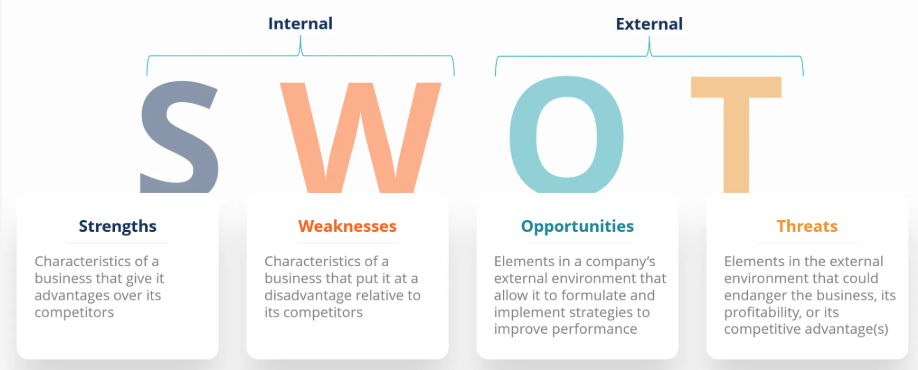
PESTLE Analysis: Explores political, economic, social, technological, legal, and environmental issues.

Porter's Five Forces: Analyses competitive forces in an industry.
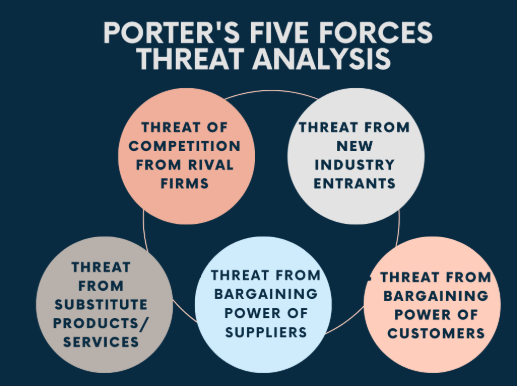
VRIO Analysis: Analysing whether a business has resources and capabilities that enable it to have a sustainable competitive advantage.
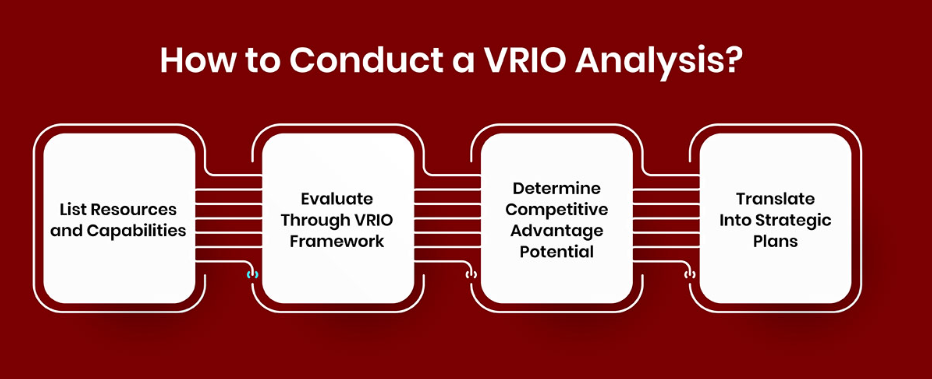
McKinsey 7S Framework: Evaluates the organisational aspects of the strategy, structure, systems, skills, staff, style, and shared values.

The secret lies in the application. Avoid just stating the 5 forces or 4 SWOTs. Describe their significance for the organisation and tie them into the main issue.
5. Analyse the Evidence Critically
Typically, this is the most critical component of an MBA case study. Go beyond description and explain why the evidence is significant.
For example, rather than writing:
“It's observed that the company has suffered from a decline in market share for the last 3 years.”
You might review the reasons for the loss, whether the lost customers have gone to rivals, how consumers' tastes have shifted, and what this suggests for the firm's plans.
Interpret the evidence using theories and other scholarly sources. Each of the main claims must relate to the analysis logically.
6. Evaluate Possible Solutions
Make sure you don't leap straight from the problem to one recommendation. Think of two or three possible choices that are possible.
When answering each choice, think about:
-
Potential benefits
-
Costs
-
Risks
-
Resources required
-
Implementation difficulties
-
Impact on stakeholders
-
Short- and long-term outcomes
This will reveal managerial discretion and that your final advice has been thoughtfully considered.
7. Make an Evidence-Based Recommendation
Your recommendation needs to flow from your analysis. Select the answer that will solve the main problem and explain why it is better than the other answers.
A good suggestion on this should be:
-
Specific
-
Realistic
-
Supported by evidence
-
Connected to the problem identified
-
Practical to implement
-
Measurable where possible
Don't use general phrases like "The company should improve their marketing strategy. Rather, describe the organisation's changes, how it should change, and the desired result.
8. Include an Implementation Plan
When writing a real MBA case study, it is important to take into account how the recommendation can be implemented in practice.
You can discuss:
-
Key implementation stages
-
Required resources
-
Responsible teams
-
Expected timescale
-
Potential risks
-
Performance indicators
This transforms your suggestion into a feasible management plan. You can also hire expert MBA assignment Help UK if you have any problems writing it.
MBA Case Study Structure
While the requirements vary from school to school, a typical MBA case study might contain:
-
Title Page
-
Executive Summary
-
Introduction
-
Company or Case Background
-
Problem Identification
-
Analysis
-
Alternative Solutions
-
Recommendations
-
Implementation Plan
-
Conclusion
-
References
-
Appendices, if required
You must always complete this in the format as per your university assignment brief.
Final Words
Before you turn in your case study, ensure that all parts are relevant to your thesis statement. Ensure that your introduction defines the purpose of the assignment, your analysis discusses the problem at hand, and your recommendations have been drawn from the evidence presented.
Check your references, formatting, grammar, tables, figures, and word count as well. The most important thing is for you to go back to the brief of the assignment before turning it in, since your institution might have certain requirements.
The art of writing an MBA case study can only be learned through practice. The whole thing becomes very easy once you realise that the case study is not a summary; it is a business decision.
 Portuguese (Brazil)
 English
 Arabic
 French
 Spanish
 Portuguese
 Deutsch
 Turkish
 Dutch
Dutch
 Italiano
 Russian
 Romaian
 Greek
Greek