


Small Designs Made for Comfortable Daily Listening
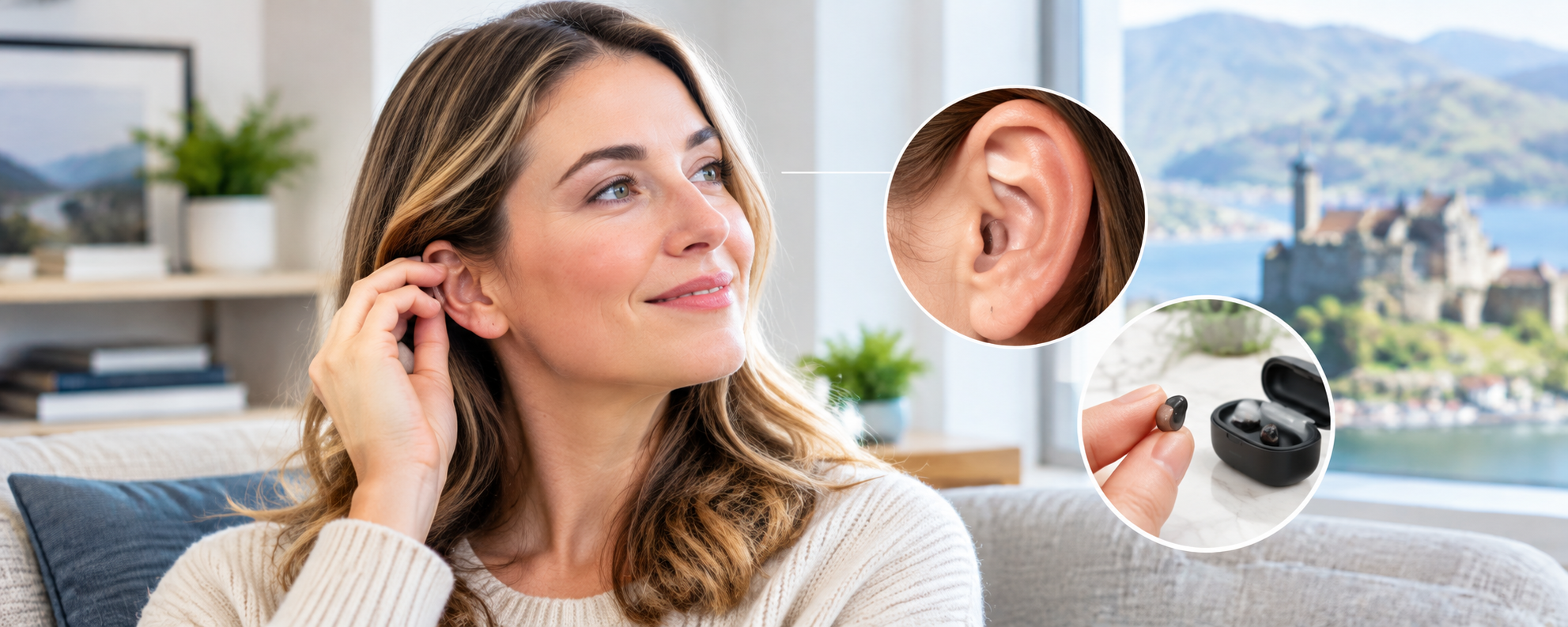
Modern hearing care has undergone a remarkable transformation over recent years, shifting from bulky traditional devices to sophisticated micro technology designed to sit entirely out of sight. For many individuals experiencing gradual hearing changes, cosmetic concerns and the perceived social stigma of wearing a visible device can create unnecessary delays in seeking professional assistance. Contemporary audiology solves this challenge by combining advanced digital sound processing with miniature custom molded shells that fit comfortably inside the ear canal, allowing users to restore their hearing clarity without drawing any unwanted attention.
Invisible hearing devices offer a discreet solution that allows users to regain clear communication without altering their physical appearance. These micro engineered units utilize the natural shape of the human ear to collect sound waves naturally, delivering crisp speech clarity and immersive acoustic experiences across diverse environments. By positioning the amplifier and speaker deep within the canal, these devices preserve natural pinna resonance while delivering balanced amplification tailored precisely to individual hearing profiles and personal preferences.
Understanding Invisible in Canal and Completely in Canal Technology
To fully appreciate how invisible hearing devices function, it helps to distinguish between the two primary custom styles available today, known as invisible in canal and completely in canal models. An invisible in canal device represents the absolute smallest form factor in modern hearing technology. These devices are custom molded from an exact impression of the wearer's ear and are positioned deep within the ear canal, sitting past the second anatomical bend near the eardrum. Because the faceplate sits far within the shadow of the ear canal opening, it remains completely unnoticeable during face to face interactions.
Completely in canal hearing aids are slightly larger than invisible in canal models but remain exceptionally discreet. These devices sit comfortably inside the entrance of the ear canal with a tiny transparent removal cord extending outward to assist with insertion and removal. While an invisible in canal device prioritizes total invisibility, a completely in canal model offers slightly more physical space inside the casing. This extra room allows manufacturers to include slightly larger size 10 batteries, tactile push buttons for volume adjustments, or enhanced wireless communication components while maintaining an almost hidden visual profile.
The acoustic design of deep canal placement provides inherent sound benefits that larger behind the ear devices cannot replicate in the exact same manner. By utilizing the ear pinna to naturally gather sound from the environment, these internal devices maintain original spatial orientation and sound localization. Placement close to the eardrum reduces the total acoustic power required to achieve comfortable listening volumes, which minimizes distortion and creates a remarkably natural sound quality for speech, music, and ambient conversation.
Key Benefits of Choosing Invisible Hearing Aids
The primary advantage that draws individuals to custom invisible hearing instruments is ultimate cosmetic discretion and psychological confidence. Many active professionals, social individuals, and first time users feel self conscious about visible hardware behind their ears. Wearing a device that is virtually undetectable allows users to engage fully in meetings, family gatherings, and public events without feeling anxious about how they appear to others. This psychological ease often encourages earlier intervention, preventing long term cognitive fatigue associated with untreated hearing loss.
Beyond aesthetics, deep canal devices provide functional lifestyle advantages for active daily living. Because no components rest behind the ear cartilage, invisible hearing aids do not interfere with eyeglasses, face masks, safety goggles, or wide brimmed hats. Furthermore, individuals who enjoy outdoor exercise, cycling, or sporting activities benefit from reduced wind noise interference, as the surrounding ear cartilage naturally shields the internal microphone from rushing air currents that typically plague external hearing aid models.
Acoustically, placing the sound output deep within the canal minimizes the unpleasant hollow sound effect known as occlusion. When an ear canal is sealed near its outer opening, a person's own voice can sound echoey or boomy. By placing the custom shell deeper near the bony portion of the canal or utilizing precision venting channels, sound pressure from vocal vocalizations escapes naturally. This results in a far more familiar sound quality when speaking, laughing, or singing, making the transition to wearing hearing aids smooth and comfortable.
Determining Candidacy for Invisible Hearing Devices
While invisible hearing aids offer compelling benefits, they are not universally suitable for every degree of hearing loss or every physical ear structure. Generally, invisible in canal and completely in canal models are engineered for mild to moderate sensorineural hearing loss. Because micro hearing aids utilize ultra compact sound receivers and small power sources, they cannot produce the high volume amplification required for severe or profound hearing impairment without creating acoustic feedback or internal distortion.
Physical ear canal anatomy plays a decisive role during the candidacy evaluation process performed by an audiologist. A thorough video otoscopy inspection determines whether an individual's ear canal is sufficiently wide, straight, and deep to accommodate a custom micro device. Canals that are exceptionally narrow, sharply curved, or prone to excessive earwax production may restrict deep insertion or lead to frequent wax blockages that compromise microphone performance. In such cases, alternative discreet designs like receiver in canal models may be recommended.
Manual dexterity and visual acuity are additional practical factors to evaluate before choosing a micro hearing device. Invisible hearing aids utilize tiny size 10 zinc air batteries that typically require changing every three to five days, alongside small wax filters that need periodic replacement. Users must feel comfortable handling small components, inserting delicate shells into their ears, and maintaining a regular daily hygiene routine. An independent clinical evaluation ensures that every patient selects a device that matches both their auditory needs and personal handling capabilities.
Comparing Leading Invisible Hearing Aid Models and Brands
The global hearing instrument market features several elite manufacturers offering cutting edge invisible technology, each bringing unique engineering strengths to custom hearing solutions. Models such as Phonak Virto Titanium utilize medical grade titanium rather than traditional acrylic. Titanium shells are fifteen times stronger than standard plastic, allowing engineers to build ultra thin shell walls that sit deeper within narrow canals while creating extra interior room for high performance digital processing chips.
Oticon Own invisible devices leverage deep neural network technology trained on millions of real life sound scenes. This artificial intelligence processor mimics how the human brain naturally prioritizes speech over background noise, delivering clear audio separation in busy restaurants or outdoor environments. Similarly, Starkey Signature Series and Widex custom models focus on immediate sound processing speeds, eliminating digital processing delays to preserve pristine audio fidelity and natural environmental acoustics.
For individuals seeking maximum discretion without waiting for a custom ear impression, instant fit options like Signia Silk IX provide a unique alternative. These devices utilize ultra soft silicone click sleeves in various sizes to adapt immediately to the wearer's canal shape. While instant fit devices offer fast delivery, custom molded models crafted by independent audiologists remain the gold standard for long term physical comfort, acoustic seal integrity, and precise anatomical retention.
The Custom Fitting Process and Audiological Care
Achieving optimal performance and long term comfort with invisible hearing aids requires a structured, multi stage professional fitting process. The journey begins with a comprehensive hearing assessment, including air conduction, bone conduction, and speech discrimination testing in a controlled acoustic environment. This detailed evaluation establishes a precise baseline of your hearing health and identifies the specific frequency channels that require targeted amplification.
Following the diagnostic assessment, the audiologist takes a detailed three dimensional impression of the ear canal using medical silicone impression material or an advanced digital ear scanner. This impression captures every bend, contour, and dimensional parameter of the canal, ensuring that the custom laboratory creates a shell with a perfect physical fit. Precision engineering prevents physical pressure points, slippage during jaw movement, or sound leakage that could trigger acoustic feedback whistling.
Once the custom devices arrive, a dedicated programming session is conducted to calibrate the acoustic output. Utilizing real ear measurement protocols, a microscopic probe microphone is placed in the canal alongside the hearing aid to measure exact sound pressure levels at the eardrum. This scientific verification ensures that target amplification goals are met accurately, optimizing speech intelligibility while protecting comfortable listening thresholds across all acoustic environments.
Essential Maintenance and Daily Care for Long Lifespan
Because invisible hearing aids sit inside the warm, humid environment of the ear canal, diligent daily maintenance is vital for preserving electronic reliability and sound clarity. Earwax and moisture represent the primary causes of temporary failure or reduced volume in micro devices. Wearers should establish a consistent morning routine, using a soft dry cloth or specialized cleaning brush to gently wipe away accumulated oils and debris from the outer shell faceplate before inserting the devices.
Replacing the microscopic wax guard filter is an essential component of routine hearing aid care. Most invisible devices feature a tiny white wax guard located at the sound outlet tip that prevents earwax from entering the receiver module. If sound becomes muffled or disappears entirely, replacing this tiny filter usually restores full functionality instantly. Wearers should inspect the wax guard weekly and replace it whenever visible wax accumulation occurs or as advised by their audiology provider.
Managing humidity exposure extends the operational lifespan of sensitive internal microchips and microphones. Storing invisible hearing aids overnight in a dedicated drying beaker with desiccant capsules or using an electronic ultraviolet dehumidifying station removes trapped moisture effectively. Furthermore, users should always open the battery door at night to disconnect power, prevent battery corrosion, and allow internal air circulation throughout the miniature casing.
Why Independent Professional Advice Makes the Difference
Navigating the wide range of invisible hearing technologies can feel overwhelming without objective guidance from an unconstrained hearing care expert. Independent audiology practices differ significantly from large corporate chains by offering access to every major manufacturer rather than limiting recommendations to restricted product lines. This complete independence ensures that product recommendations are dictated entirely by patient benefit, anatomical suitability, and lifestyle demands rather than commercial targets.
At, patients receive personalized consultation tailored to their individual hearing goals and lifestyle requirements. Independent specialists dedicate substantial time to understanding your daily environments, communication challenges, and visual priorities before recommending a specific model. This patient centered approach guarantees that investment in hearing technology yields maximum functional improvements in speech comprehension and social confidence.
Long term aftercare forms the foundation of successful hearing rehabilitation with custom micro devices. As hearing thresholds evolve or lifestyle needs change over time, independent clinics provide ongoing fine tuning adjustments, annual retesting, professional deep cleaning, and technical support. Establishing an ongoing relationship with a dedicated audiologist ensures your invisible hearing devices continue performing at peak efficiency throughout their operational lifespan.
Frequently Asked Questions
Are invisible hearing aids completely unseen by other people?
When fitted correctly by a professional audiologist, invisible in canal hearing aids sit deep past the second bend of the ear canal, making them virtually impossible to detect during face to face interactions or from side angles. The faceplate is dark and sits deep inside the natural shadow of the canal opening, concealing the device completely. Completely in canal models sit slightly further outward and may show a small transparent removal cord upon close inspection, but both options provide exceptional visual discretion compared to standard behind the ear devices.
Do invisible hearing devices feature Bluetooth connectivity?
Due to the extremely small physical size of true invisible in canal devices, built in Bluetooth streaming components and rechargeable lithium ion batteries are generally omitted to preserve micro dimensions. However, some slightly larger completely in canal or custom in the canal models do offer wireless connectivity for direct phone calls and audio streaming. Users prioritizing absolute invisibility typically utilize automated environmental adaptation software or small external remote controls to manage volume and program adjustments effortlessly without requiring direct wireless streaming.
How long do the batteries last in invisible hearing devices?
Invisible hearing aids utilize small size 10 zinc air button batteries designed specifically for micro electronic hearing devices. Depending on daily usage hours, amplification levels, and local environmental noise processing demands, a size 10 battery typically lasts between three and five days. Replacing the battery is a straightforward process, and carrying a compact spare battery pack in a pocket or handbag ensures continuous listening power wherever you go.
Can invisible hearing aids treat severe hearing loss?
Invisible hearing aids are primarily engineered for mild to moderate degrees of hearing loss. Severe or profound hearing loss requires larger speaker receivers and higher power amplification output that cannot be safely or effectively housed within an ultra compact deep canal shell without producing acoustic feedback whistling. Individuals with severe hearing loss are generally better served by discreet receiver in canal or behind the ear models that feature advanced power receivers and dual microphone noise reduction technology.
What is the cost of invisible hearing aids and fitting services?
The overall cost of invisible hearing devices depends on the level of technology selected, processing channel density, and the comprehensive care package provided by your audiology clinic. Premium invisible models incorporate sophisticated digital processing, artificial intelligence noise reduction, and custom medical grade shells. Selecting an independent practice such as ensures transparent pricing, comprehensive professional fitting, real ear measurement verification, and ongoing long term aftercare support included within your hearing care package.
Wrapping Up
Choosing invisible hearing aids represents a significant positive step toward restoring communication clarity, professional confidence, and overall quality of life without compromising on personal aesthetic preferences. Modern invisible in canal and completely in canal devices demonstrate how far audiological engineering has advanced, compressing sophisticated noise reduction, natural acoustic processing, and comfortable custom shells into micro units that fit entirely out of sight. By understanding your degree of hearing loss, physical canal anatomy, and daily lifestyle needs, you can select a discreet solution that integrates seamlessly into your daily routine.
Partnering with an independent specialist via ensures that you receive impartial expert advice, precise custom impressions, and ongoing clinical aftercare tailored specifically to your individual requirements. Independent guidance grants access to top global hearing aid manufacturers, allowing you to compare features and select a custom device engineered for optimal comfort and acoustic performance. Professional fitting, scientific real ear measurements, and dedicated follow up support guarantee that your investment in invisible hearing technology yields clear, comfortable, and natural listening experiences.
 Portuguese (Brazil)
 English
 Arabic
 French
 Spanish
 Portuguese
 Deutsch
 Turkish
 Dutch
Dutch
 Italiano
 Russian
 Romaian
 Greek
Greek