


Hair Transplant in Islamabad: Your Complete Guide to Restoring Natural-Looking Hair
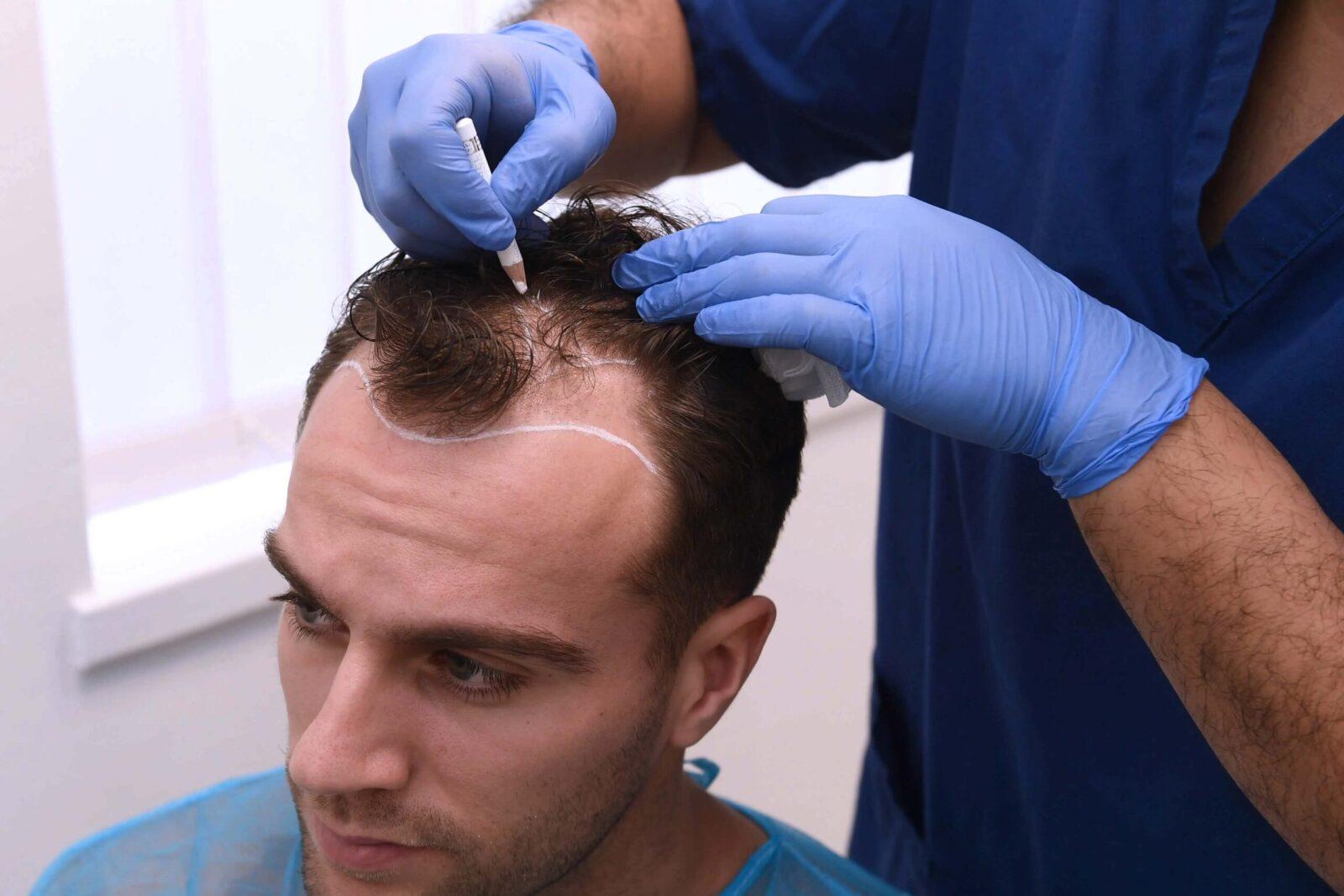
Hair loss can gradually affect your appearance, confidence, and everyday lifestyle. Receding hairlines, thinning crowns, and bald patches are common concerns among both men and women. While shampoos, oils, and other hair products may help maintain scalp health, they cannot replace follicles that have been permanently lost. A hair transplant can provide a long-term restoration option by moving healthy hair follicles from a donor area to areas affected by hair loss. Hair Transplant in Islamabad has become an increasingly considered option for people looking for natural-looking hair restoration with modern techniques.
What Is a Hair Transplant?
A hair transplant is a surgical procedure that redistributes healthy hair follicles from a donor area, usually the back or sides of the scalp, to areas experiencing thinning or baldness. These follicles are selected because they are generally more resistant to the effects of pattern hair loss.
The objective is not simply to add more hair but to create a natural appearance by considering hair direction, density, hairline shape, and the patient's existing hair. A properly planned transplant can help the transplanted follicles blend with surrounding hair.
Common Hair Transplant Techniques
Two commonly used techniques are Follicular Unit Extraction (FUE) and Follicular Unit Transplantation (FUT).
FUE Hair Transplant
FUE involves extracting individual follicular units from the donor area using a small punch instrument. The extracted grafts are then carefully placed into prepared recipient sites.
Because follicles are removed individually, FUE does not involve the linear incision associated with FUT. It may also allow a relatively quick initial recovery, although the suitability of the technique depends on the patient's donor area, hair loss pattern, and treatment goals.
FUT Hair Transplant
FUT, also called the strip method, involves removing a narrow strip of hair-bearing scalp from the donor area. This strip is divided into individual follicular grafts before they are transplanted into thinning or bald areas.
FUT can be useful when a patient requires a larger number of grafts, but it leaves a linear scar in the donor area. The choice between FUE and FUT should be based on an individual assessment rather than simply choosing the most advertised technique.
Who May Be a Suitable Candidate?
Hair transplantation may be considered by adults experiencing pattern hair loss, a receding hairline, thinning at the crown, or localized bald areas. However, not everyone is an ideal candidate.
A consultation should evaluate the stability of your hair loss, donor hair density, scalp condition, general health, and expectations. Adequate donor hair is particularly important because transplanted follicles must come from areas where sufficient healthy hair is available.
People with active or unexplained hair loss may need appropriate evaluation before considering surgery. Having realistic expectations is equally important because a transplant can improve coverage but cannot necessarily recreate the density of naturally thick hair.
How the Hair Transplant Process Works
The process generally begins with a detailed consultation. Your hair loss pattern and donor area are assessed, and the intended hairline and treatment area are planned.
During the procedure, local anesthesia is typically used to keep the scalp numb. Depending on the selected technique, follicles are harvested individually or obtained from a donor strip. The grafts are then prepared and placed into tiny recipient sites according to the planned direction and distribution of hair growth.
The procedure can take several hours, depending on the number of grafts and the complexity of the treatment.
Recovery and Hair Growth Timeline
Some redness, swelling, small scabs, and temporary discomfort can occur after transplantation. Patients are generally advised to follow their aftercare instructions carefully, avoid scratching or rubbing the scalp, and temporarily limit strenuous activities.
One important part of recovery is temporary shedding. Transplanted hairs may fall out during the early weeks after the procedure. This does not necessarily mean the transplant has failed; new growth develops gradually from the transplanted follicles.
Visible new growth commonly begins after several months, while fuller results may continue developing over approximately 9 to 12 months.
How to Choose a Hair Transplant Provider in Islamabad
Choosing a provider should involve more than comparing promotional offers. Consider the experience and qualifications of the medical professional performing the procedure, the standards of the facility, the method being recommended, donor-area assessment, hygiene practices, and the quality of follow-up care.
During consultation, ask how many grafts you realistically need, which technique is appropriate for you, what density can reasonably be achieved, and what recovery will involve. A personalized treatment plan is preferable to a one-size-fits-all approach.
Frequently Asked Questions
Is a hair transplant permanent?
Transplanted follicles are generally selected from areas that are more resistant to pattern hair loss, allowing them to provide long-term growth. However, existing non-transplanted hair can continue to thin over time.
Is FUE better than FUT?
Neither technique is automatically better for everyone. FUE may be preferred when minimizing linear scarring is important, while FUT can provide a high graft yield in suitable patients. The appropriate option depends on individual characteristics and goals.
When will I see the final results?
New growth usually develops gradually over several months. Fuller results commonly become apparent around 9 to 12 months, although the timeline can vary between individuals.
Can women have a hair transplant?
Yes. Hair transplantation may be suitable for some women experiencing specific types of hair loss, provided they have an appropriate donor area and are considered suitable candidates after evaluation.
Will the transplanted hair look natural?
Natural-looking results depend heavily on careful hairline design, graft placement, hair direction, density, and appropriate use of the available donor hair. Proper planning is therefore an important part of the procedure.
Final Thoughts
Hair restoration is a personal decision that requires realistic expectations and careful planning. Understanding the available techniques, candidacy requirements, recovery process, and expected timeline can help you make a more informed choice. If you are considering Hair Transplant in Islamabad, a personalized consultation with a qualified medical professional can help determine whether transplantation is suitable for your pattern of hair loss and what type of approach may provide the most natural-looking result.
 Greek
Greek
 English
 Arabic
 French
 Spanish
 Portuguese
 Deutsch
 Turkish
 Dutch
Dutch
 Italiano
 Russian
 Romaian
 Portuguese (Brazil)