


Breast Augmentation in Islamabad: What Every Woman Should Know Before Surgery
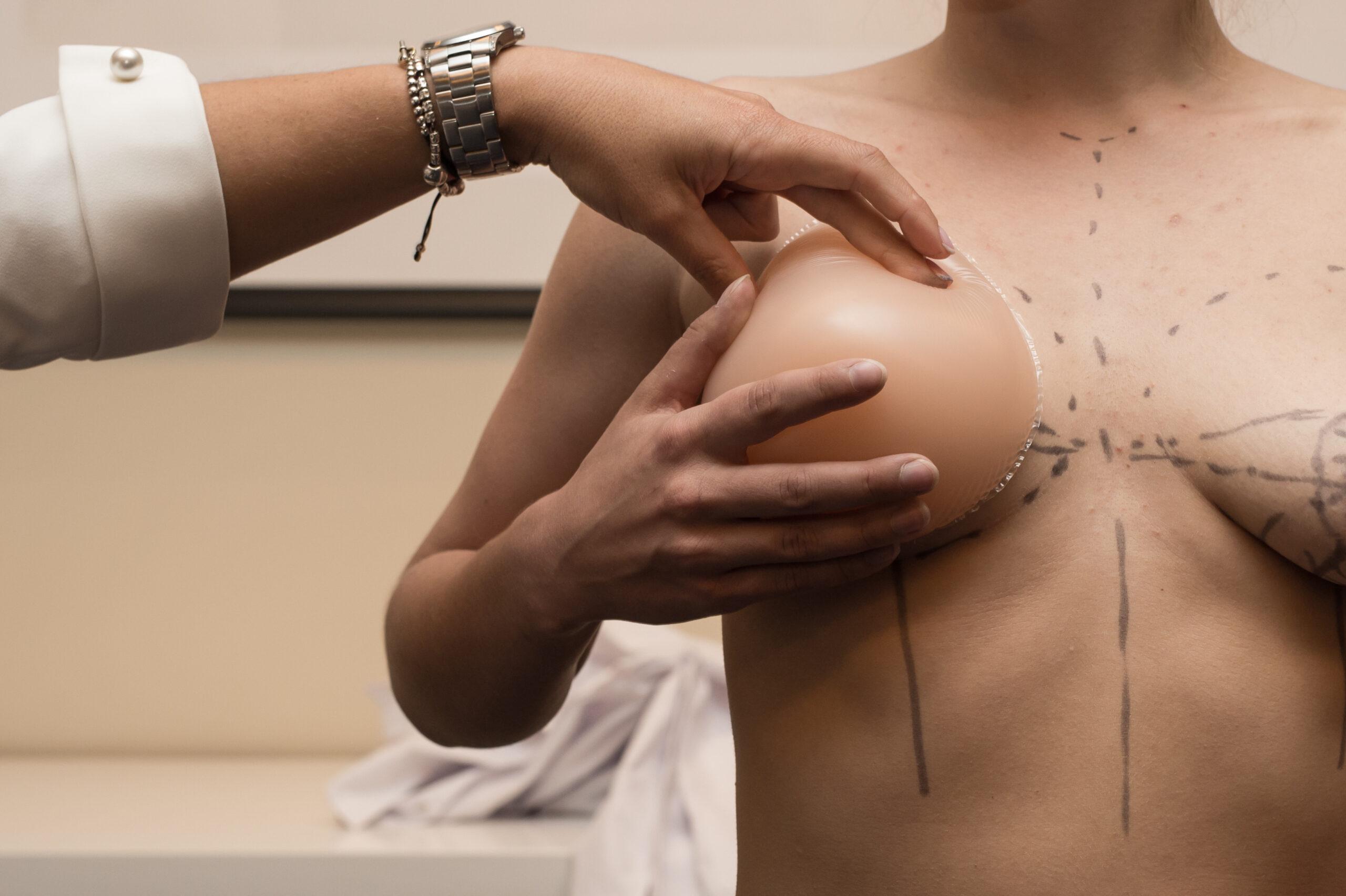
Breast augmentation is a cosmetic procedure designed to enhance breast size, shape, or symmetry. Women may consider it because of naturally small breasts, changes after pregnancy or breastfeeding, significant weight changes, or differences in breast development. Breast Augmentation in Islamabad can involve implants or, in selected cases, fat transfer. However, choosing surgery should be based on personal goals, realistic expectations, and a thorough discussion with a qualified plastic surgeon.
What Is Breast Augmentation?
Breast augmentation, also called augmentation mammoplasty, is performed to increase breast volume or improve breast proportions. Implants may be placed beneath the breast tissue or chest muscle, depending on factors such as anatomy, implant type, and the surgeon's recommendations. Fat transfer is another option for some patients.
Breast implants generally have a silicone outer shell and may be filled with saline or silicone gel. Different implants vary in size, shape, surface, and profile, so the most suitable option depends on individual anatomy and desired results.
Why Do Women Consider Breast Augmentation?
Every woman's reason for considering augmentation is different. Some want to restore breast volume lost after pregnancy or weight changes, while others may want to address naturally uneven or underdeveloped breasts.
Common motivations include:
- Increasing breast fullness
- Improving breast symmetry
- Restoring volume after pregnancy or breastfeeding
- Addressing changes caused by weight fluctuations
- Creating better overall body proportions
- Improving confidence about breast appearance
The procedure should be undertaken for personal reasons rather than pressure from others.
Choosing the Right Implant
Implant selection is one of the most important parts of the consultation. A larger implant is not automatically better, and the same implant size can look very different on different body types.
Your surgeon may consider your chest width, existing breast tissue, skin elasticity, body proportions, and desired appearance when discussing implant size and placement. It is important to communicate whether you prefer a subtle, natural appearance or a more noticeable enhancement.
The FDA recommends discussing implant characteristics, benefits, risks, and expectations with your healthcare provider before making a decision.
What Should You Know About the Surgery?
Breast implant surgery is commonly performed under general anesthesia, although the exact approach depends on the procedure and the patient's circumstances. The operation may take one to several hours. Some patients can return home the same day, while others may require a short hospital stay.
Before surgery, your medical history, medications, previous procedures, allergies, and general health should be reviewed. Your surgeon should also explain the planned incision, implant placement, anesthesia, expected results, and recovery process.
Understanding the Risks
Breast augmentation is surgery, so it carries potential risks. These may include infection, bleeding, changes in nipple or breast sensation, scarring, asymmetry, implant displacement, rupture, pain, and capsular contracture, where scar tissue around the implant becomes unusually tight. Revision surgery may also be required.
Breast implants are not considered lifetime devices. The likelihood of complications can increase the longer implants remain in place, and some women may eventually require additional surgery for replacement or removal.
There are also rare implant-associated cancers, including BIA-ALCL. The FDA advises women considering implants to understand these risks as part of informed decision-making.
Recovery After Breast Augmentation
Recovery differs between patients. Immediately after surgery, swelling, tightness, bruising, and discomfort can occur. A support bra or appropriate dressing may be recommended during the healing period. Your surgeon will provide instructions about medications, wound care, sleeping positions, exercise, and follow-up appointments.
You should avoid strenuous activities until your surgeon considers them safe. Attending follow-up appointments is also important so healing and implant position can be monitored.
Questions to Ask Before Surgery
A consultation should be an opportunity to ask detailed questions. Consider asking:
- Which implant type and size are appropriate for my body?
- Where will the implant be placed?
- What results are realistic for me?
- What complications should I understand before surgery?
- How long should I expect recovery to take?
- Could the procedure affect breastfeeding or breast sensation?
- What monitoring will my implants require in the future?
- What happens if I eventually want the implants removed?
The FDA recommends reviewing the specific implant's patient information and decision checklist before proceeding.
FAQs
Is breast augmentation safe?
Breast augmentation can be performed safely in appropriate candidates, but it carries surgical and implant-related risks. A thorough consultation is essential for understanding individual risks.
How long do breast implants last?
Breast implants are not lifetime devices. Their lifespan varies, and some women may eventually need additional surgery because of complications, changes in appearance, or personal preferences.
Can breast augmentation affect breastfeeding?
Breast augmentation may affect breastfeeding for some women, depending on factors such as the surgical technique and individual circumstances. Discuss future pregnancy and breastfeeding plans with your surgeon beforehand.
Will breast augmentation leave scars?
Breast augmentation requires an incision, so some degree of scarring is expected. The location and appearance of scars can vary depending on the surgical approach and individual healing.
How long does breast augmentation recovery take?
Initial recovery varies between patients. Most women need a period of rest and activity restrictions before gradually returning to normal routines, according to their surgeon's instructions.
Final Thoughts
Breast augmentation is a personal decision that requires careful consideration rather than rushing into surgery. Understanding implant choices, realistic results, potential risks, recovery requirements, and long-term monitoring can help women make informed decisions. A detailed consultation with a qualified plastic surgeon is an important step before proceeding with surgery in Islamabad.
 Romaian
 English
 Arabic
 French
 Spanish
 Portuguese
 Deutsch
 Turkish
 Dutch
Dutch
 Italiano
 Russian
 Portuguese (Brazil)
 Greek
Greek