


Sky Glass IPTV Free Trial: The Complete 2026 Guide for Modern TV Lovers
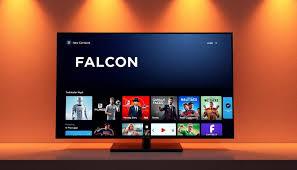
Television has evolved into a connected entertainment experience. Modern viewers expect more than a traditional collection of broadcast channels. They want flexible access to live programming, on-demand entertainment, sports, movies, news, and international content across convenient devices.
This shift has increased interest in IPTV, particularly among households already using smart televisions. A Sky Glass IPTV Free Trial can be useful for viewers who want to evaluate an IPTV service before making a longer-term decision. However, the trial should be treated as a practical test rather than simply a period of free viewing.
Sky Glass and IPTV are not the same product. Sky Glass is a connected smart television platform, while IPTV is a method of delivering television content through internet networks. Whether a particular IPTV service can be used with a Sky Glass setup depends on the provider, application, supported devices, and available viewing methods.
In 2026, the most useful IPTV evaluation focuses on compatibility, stability, content quality, picture performance, navigation, electronic program guides, security, and legitimate content licensing.
What Is IPTV?
IPTV stands for Internet Protocol Television. It describes the delivery of television programming over internet-based networks.
Unlike traditional television distribution, IPTV uses broadband connectivity to deliver video streams to compatible devices.
Depending on the provider, an IPTV service may offer:
-
Live television channels
-
Movies and series
-
Video-on-demand content
-
Catch-up programming
-
Electronic program guides
-
Sports programming
-
News channels
-
International channels
-
Different video resolutions
The technology itself does not determine whether a service is legitimate. What matters is whether the provider has appropriate rights to distribute the content.
This distinction is important when evaluating any IPTV subscription or trial.
What Is a Sky Glass IPTV Free Trial?
A Sky Glass IPTV Free Trial generally refers to a limited opportunity to test an IPTV service while using, or planning to use, a Sky Glass-based entertainment setup.
The exact meaning can vary because there is no single universal product called a Sky Glass IPTV free trial. Different IPTV providers may offer their own trial arrangements, while Sky Glass remains the television platform.
Trial periods can vary in length and features. Some may provide access to a limited selection of content, while others may allow broader testing.
Before starting a trial, we should check:
-
Trial duration
-
Included channels
-
Supported devices
-
Application requirements
-
Device limits
-
Whether payment details are required
-
Automatic renewal conditions
-
Cancellation requirements
-
Customer support availability
Understanding the terms prevents unpleasant surprises.
Why Use a Free Trial Before Subscribing?
The biggest advantage of a trial is that it lets us evaluate actual performance.
A provider's promotional material may list a large number of channels and impressive technical specifications. However, these claims cannot fully demonstrate how the service performs in our home.
A trial allows us to determine whether:
-
Streams load quickly
-
Channels remain stable
-
Picture quality is acceptable
-
The EPG works properly
-
Navigation feels intuitive
-
The intended device is compatible
-
Customer support responds effectively
-
The content matches our viewing habits
This information is much more valuable than simply looking at a channel list.
Checking Compatibility With Sky Glass
Compatibility should be checked before anything else.
Sky Glass operates through its own connected television environment. We should therefore avoid assuming that an IPTV application designed for another smart-TV platform will automatically work.
If the IPTV provider requires an external device, we should determine which device is supported and whether that device fits the intended setup.
Before beginning a trial, confirm:
-
The supported operating system.
-
The required application.
-
Whether an external device is necessary.
-
Playlist requirements.
-
EPG compatibility.
-
Supported resolutions.
-
Device limits.
This can save considerable time during a short trial period.
Test Your Internet Connection First
IPTV depends heavily on broadband performance.
Before evaluating a service, we should make sure that the home internet connection is operating normally.
A weak connection can make a reliable IPTV provider appear unreliable.
Several factors can affect streaming:
-
Wi-Fi signal strength
-
Router performance
-
Network congestion
-
Distance from the router
-
Connected devices
-
Internet service interruptions
-
Provider-side server performance
A stable connection is more important than simply having a high advertised download speed.
Test IPTV at Different Times
One of the best ways to evaluate an IPTV service is to test it at different times of day.
A service may perform well during quiet periods and struggle when viewing demand increases.
We can test:
Morning
Check general channel loading and basic stability.
Afternoon
Test entertainment, news, and on-demand content.
Evening
Evaluate performance during normal peak viewing hours.
Weekend
Test the service when household internet activity may be higher.
This provides a more realistic understanding of reliability.
Evaluate Live Channel Stability
Live television is usually one of the first areas we should test.
Switch between several channels and observe how quickly they load.
Pay attention to:
-
Buffering
-
Freezing
-
Stream interruptions
-
Audio drops
-
Sudden resolution changes
-
Long loading times
-
Failed channel changes
A single temporary issue does not necessarily indicate a poor service. However, repeated problems across several channels should be investigated.
Check Picture Quality
A Sky Glass IPTV Free Trial should include careful picture-quality testing.
We should test different content types because video performance can vary significantly between channels.
Sports are particularly useful because fast-moving images reveal compression problems and frame instability.
Movies and drama can help us evaluate detail, contrast, and colour consistency.
We should consider:
-
Resolution
-
Bitrate
-
Compression
-
Motion clarity
-
Sharpness
-
Colour quality
-
Video stability
-
Audio synchronization
The advertised resolution is only one part of the viewing experience.
Test HD and 4K Content
If a provider claims to offer HD or 4K content, those streams should be tested during the trial.
A 4K stream requires more bandwidth and may place greater demands on the network and device.
We should compare several streams rather than relying on one demonstration channel.
If HD performs consistently while 4K frequently buffers, this may indicate that the household network, device, or provider infrastructure needs further investigation.
Explore the Electronic Program Guide
An EPG can make IPTV significantly easier to navigate.
Instead of scrolling blindly through channels, we can view current and upcoming programs in a structured format.
During the trial, check whether:
-
Program times are accurate
-
Current programs are shown correctly
-
Upcoming schedules are available
-
Program descriptions are useful
-
Channels are organized properly
An inaccurate EPG can reduce the practical value of an otherwise good service.
Test Search and Favorites
Search and favorites are essential when dealing with large channel libraries.
During the trial, we should create a favorites list containing channels we actually watch.
We can also test how quickly specific channels or programs can be found.
A good interface should make it possible to navigate without constantly scrolling through hundreds of entries.
Evaluate Video-on-Demand
If the trial includes video-on-demand content, we should test it separately from live television.
Look at:
-
Library organization
-
Search
-
Playback speed
-
Loading times
-
Resume functionality
-
Available categories
-
Picture quality
A provider may have excellent live channels but poor on-demand infrastructure, so both areas should be evaluated independently.
Test Catch-Up Features
Catch-up television can be useful for viewers who regularly miss live broadcasts.
If available, test several programs and channels rather than assuming the feature works universally.
Check whether:
-
Programs are available when expected
-
Playback begins quickly
-
Audio and video remain synchronized
-
The available library is clearly organized
Catch-up support varies considerably between providers.
Test Multiple Devices When Permitted
Many IPTV services advertise multi-device support.
If the trial permits it, we can test the service on the devices we actually use.
Potential platforms may include:
-
Smart televisions
-
External streaming devices
-
Smartphones
-
Tablets
-
Computers
However, we should always check simultaneous-streaming rules. A provider may allow several registered devices but restrict how many can stream at the same time.
Evaluate Customer Support
Customer support should be tested before purchasing.
If the setup process raises a question, contact the provider and evaluate the quality of the response.
Good support should provide:
-
Clear instructions
-
Relevant technical information
-
Reasonable response times
-
Billing assistance
-
Device guidance
-
Troubleshooting advice
A provider that offers little practical assistance during a trial may be difficult to deal with later.
Understand Trial Conditions
Before activating a free trial, we should carefully review the terms.
Important questions include:
-
How long does the trial last?
-
Does it automatically become paid?
-
Is a payment method required?
-
Can it be cancelled easily?
-
Are all channels included?
-
Are there device restrictions?
-
Is the trial available only once?
-
Are refunds available?
These details vary between providers.
A genuine free trial should have clear conditions rather than hiding important information.
Do Not Judge an IPTV Service by Channel Numbers
One of the easiest mistakes is choosing a provider based on its advertised channel count.
A huge playlist can sound impressive, but it may contain duplicate channels, irrelevant programming, or streams that are unavailable.
Instead, we should ask whether the channels we actually watch are reliable.
For most households, content relevance matters more than quantity.
A smaller collection of useful, stable channels can provide significantly better value.
Evaluate Audio Quality
Audio deserves the same attention as video.
During the trial, check for:
-
Audio delays
-
Distortion
-
Missing sound
-
Sudden volume changes
-
Poor dialogue clarity
-
Inconsistent channel audio
Sports commentary and movies are especially useful for identifying synchronization problems.
A high-quality television experience requires both good video and dependable audio.
Use Ethernet When Possible
Wi-Fi is convenient, but Ethernet can provide a more consistent connection for a fixed television setup.
If the router is reasonably close to the television or streaming device, a wired connection can reduce problems caused by wireless interference.
If Ethernet is not practical, we should optimize Wi-Fi by improving router placement and reducing unnecessary network congestion.
Improve Wi-Fi Performance
Several simple changes can improve streaming performance.
The router should be placed in a suitable location rather than hidden behind furniture or placed in an area with significant interference.
For larger homes, mesh Wi-Fi may provide better coverage.
We should also monitor other devices that consume significant bandwidth, especially during peak viewing periods.
Monitor Data Consumption
High-resolution streaming can consume considerable data.
Households with broadband data limits should monitor usage during the trial.
4K streaming generally consumes more data than HD, while simultaneous streaming across several devices can increase usage further.
The trial provides a useful opportunity to estimate how much bandwidth the service requires under normal household conditions.
Security and Privacy During the Trial
A trial should also be used to evaluate basic security practices.
We should only install applications from trustworthy sources and avoid suspicious downloads.
Strong passwords should be used for IPTV accounts, particularly when the same household contains multiple connected devices.
We should also avoid giving a provider more personal information than reasonably necessary.
Warning signs can include unusual payment requests, excessive permissions, or unclear information about who operates the service.
Check Content Licensing
IPTV technology is legal, but not every IPTV service necessarily distributes content legally.
We should choose providers that have appropriate rights to distribute their programming.
Be cautious when a service advertises premium sports, movies, and subscription channels at an unusually low price without explaining how the content is licensed.
Legitimate content distribution is important for both reliability and responsible viewing.
Sky Glass IPTV Free Trial: The Most Important Tests
Sky Glass IPTV Free Trial users can make the most of the evaluation period by focusing on a few key areas.
Compatibility Test
Confirm that the intended device and application work correctly.
Reliability Test
Watch several channels at different times of day.
Quality Test
Compare HD and 4K streams where available.
EPG Test
Check the accuracy of program schedules.
Navigation Test
Use search, favorites, categories, and channel switching.
On-Demand Test
Explore movies and series if included.
Support Test
Ask the provider a genuine setup question.
Security Test
Review application sources, account requirements, and permissions.
Licensing Test
Choose services that can legitimately distribute their content.
Value Test
Determine whether the service actually fits our household's viewing habits.
How to Identify a Good IPTV Service
A strong IPTV service should perform consistently across several categories.
We should look for:
Reliable streams: Channels should remain available during normal viewing.
Useful content: The service should provide programming we actually watch.
Good navigation: Finding content should be quick and simple.
Accurate EPG: Program information should be dependable.
Stable picture quality: Video should remain clear without unnecessary fluctuations.
Good support: Technical assistance should be accessible.
Clear pricing: Subscription conditions should be easy to understand.
Legitimate content: The provider should have appropriate distribution rights.
Common Mistakes During an IPTV Trial
There are several ways to waste a trial period.
One mistake is watching only one channel.
Another is testing the service only during quiet hours.
A third is ignoring compatibility until the trial has nearly expired.
We should also avoid assuming that a high channel count guarantees quality.
Finally, we should never overlook licensing, security, or automatic renewal terms simply because the service is being offered temporarily at no cost.
Sky Glass IPTV Free Trial: Making the Final Decision
Sky Glass IPTV Free Trial users should make the final decision using actual performance rather than promotional claims.
A simple evaluation can consider:
|
Category |
What to Evaluate |
|
Compatibility |
Works with the intended setup |
|
Reliability |
Minimal buffering and interruptions |
|
Video |
Stable HD or 4K where available |
|
EPG |
Accurate schedules |
|
Navigation |
Search, favorites, categories |
|
Content |
Relevant channels and programming |
|
Support |
Useful technical assistance |
|
Security |
Trustworthy applications and account handling |
|
Licensing |
Legitimate content distribution |
|
Value |
Suitable for actual household needs |
The trial should answer one central question: Would this service improve our everyday viewing enough to justify paying for it?
If the answer is yes after thorough testing, the service may be worth considering.
Conclusion
A Sky Glass IPTV Free Trial can be a practical way to evaluate an IPTV service before making a longer-term commitment. The key is to use the trial as a genuine performance test rather than simply as a period of free entertainment.
Compatibility should be confirmed first. After that, we should examine streaming reliability, picture quality, audio performance, EPG accuracy, navigation, on-demand content, device support, customer service, security, and content licensing.
Testing the service during normal viewing hours is especially important. Evening and weekend performance can reveal problems that may not appear during quieter periods.
We should also consider our own viewing habits. A service does not need to offer an enormous number of channels if it reliably provides the programming we actually watch.
Ultimately, the best IPTV experience comes from combining compatible technology, stable broadband, reliable streams, useful features, transparent pricing, strong security, and legitimate content.
A carefully used trial gives us the information needed to determine whether an IPTV service genuinely belongs in our long-term home entertainment setup.
FAQs
1. What should we test during a Sky Glass IPTV Free Trial?
We should test compatibility, live channels, picture quality, streaming stability, EPG accuracy, search, favorites, on-demand content, audio performance, customer support, and subscription terms.
2. Does a Sky Glass IPTV Free Trial mean the IPTV service is officially part of Sky Glass?
No. The phrase generally describes an IPTV trial considered for use with a Sky Glass-based entertainment setup. Sky Glass and an independent IPTV service are separate products or technologies, and compatibility must be confirmed.
3. Can IPTV work without a strong internet connection?
IPTV requires internet connectivity, and stable broadband is important for smooth streaming. A weak or congested network can cause buffering, quality reductions, and interruptions.
4. Should we choose an IPTV service because it offers thousands of channels?
Not necessarily. Channel quantity is less important than reliability, relevant content, picture quality, navigation, support, and legitimate distribution rights.
5. What should we do if IPTV buffers during the trial?
Check the home network first, restart the router and device, test Ethernet if possible, reduce network congestion, and compare several channels. If other services work normally while one IPTV service consistently buffers, the provider may be responsible.
 Deutsch
 English
 Arabic
 French
 Spanish
 Portuguese
 Turkish
 Dutch
Dutch
 Italiano
 Russian
 Romaian
 Portuguese (Brazil)
 Greek
Greek