


Why Elevator Modernization Service Matters for Ageing Buildings
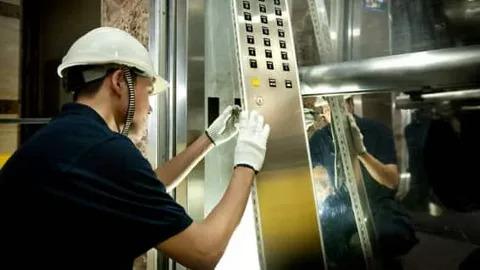
Elevator systems are frequently built into older buildings and are old. As time passes, parts become worn, the technology changes, and replacement parts become more difficult to find. These issues may have an impact on operating the building and on the ride quality. For this reason, it's crucial for property owners to evaluate the elevator condition prior to the small problems turning into bigger troubles with operation.
An old elevator could be having lots of issues, such as worn controls, reduced elevator ride quality, or limited parts availability. Such problems can cause problems in day-to-day operations and the confidence of the passengers. An elevator modernization service is a great solution for modernizing out-of-date equipment without replacing the entire elevator system. This can be performed on controllers, drives, doors, safety equipment, fixtures, and more. A good design can solve reliability, comfort, energy consumption, maintainability, and accessibility issues.
What Is Elevator Modernization?
Modernization of an elevator is the replacement of certain components of an elevator system. This is to help older equipment move nearer to the performance and safety levels of today. Modernization can be mechanical, electrical/control and communication, and passenger-facing.
The extent of the scope will vary based on the age, condition, use, maintenance history, and building needs of the elevator. Any big upgrade decision must be preceded by a professional evaluation. This way, the owners will know what parts they need to maintain.
Modernization vs. Complete Elevator Replacement
It doesn't always mean the whole elevator has to be replaced to modernize. Rather, technicians can substitute old parts for new ones, keeping the appropriate parts of the system in place. This may result in less construction around the elevator.
This may be warranted when there is a lot of deterioration in the original equipment. It can also be appropriate if the system will not be able to satisfy future operational needs. The choice is based on a number of factors, including the technical condition, scope of the project, building requirements, and long-term costs.
Components Commonly Upgraded During Modernization
A modernization project can include several major components:
-
Controllers
-
Drives
-
Motors
-
Door operators
-
Operating panels
-
Safety systems
-
Lighting
-
Cabin interiors
-
Communication systems
Not every elevator needs every upgrade. A qualified technician should evaluate each component before recommending replacement. This targeted approach keeps the project focused on actual equipment needs.
Why Ageing Elevator Systems Require Modernization
Elevator systems are made up of many mechanical and electrical components that are all connected to one another. Those components are subjected to repeated demands over the course of years with travel on a daily basis. This can lead to recurrent defects and performance problems in the aging systems.
Modern equipment also provides capabilities that are not offered by older equipment. New controllers may be able to provide more accurate controls and diagnostic capability. New drives may offer a smoother acceleration and deceleration. A recurring issue with doors is opening and closing issues, which can be solved with modern door equipment.
Outdated Components and Technology
Older controllers tend to use technology that is no longer manufactured. Equipment can become hard to come by for replacement parts when it is nearing the end of its commercial life.
This can also lead to troubleshooting becoming harder because of the out-of-date electrical elements. Technicians might need to spend longer searching for suitable parts or troubleshooting periodic problems. A modernization plan can be used to remove the critical obsolete equipment in advance of availability, becoming a major concern.
Increasing Maintenance and Downtime
Older elevators may need more attention to their service. Frequent errors can cause delays during construction and lead to complications! Further errors can cause delays in building operation and lead to frustration for the occupants. Regular repairs may even result in higher maintenance costs in the long term.
Addressing the components of recurring problems can be done through modernization. Still, it is recommended that owners continue to maintain the elevator following an upgrade. Preventive maintenance and regular inspections continue to be critical for trouble-free performance.
Changing Building and Passenger Expectations
As elevator technology has evolved, so has the expectations of passengers. Everyone now demands hassle-free beginnings, precise levelling of the floor, trouble-free doors, easy-to-understand displays and dependable emergency communication.
During busy times, commercial properties are also subjected to greater demands. There can be high usage of elevators in office buildings, hotels, hospitals, and residential towers. That means that elevator performance should be adjusted to reflect the actual use of the building.
Key Benefits of Modernizing an Ageing Elevator
The aging of elevator equipment can have more serious consequences than the convenience of the passengers. It can impact the operation and maintenance of the building, the planning of energy use, and the accessibility of the building. These are all concerns that are properly taken care of in a proper modernization project.
Better Passenger Safety
Safety is always a major concern when upgrading an elevator. New controls, door protection, sensors, emergency communications, and more safety-related equipment can be added to modern systems.
The building code deals with the design, installation, modification, repair, and requirement of any part of an elevator. It also refers to relevant elevator standards, such as ASME A17.1/CSA B44. Before establishing a scope of modernization, owners should check local requirements that might apply. The building, equipment, and project modifications as well as the governing requirements determine compliance.
Greater Reliability and Ride Quality
Modernized equipment can provide more consistent elevator operation. New controllers and drives can control the movement more accurately. This can result in smoother acceleration, deceleration, and leveling of the floor.
Passenger experience is also a key factor of door systems. Delayed or erratic doors can lead to delays and multiple service visits. Improved door operators can solve issues that are related to old or worn equipment.
Better Energy Efficiency
In build-to-build there is a lot of elevator usage; energy consumption is important. Newer technologies in the drive, motor, control, and lighting market can save excess energy.
The design of the elevator and use of the building are important factors in energy performance. Owners need to consider the number of units to expect to use and should not take it for granted that all upgrades will yield the same results. A technical assessment can help determine what areas have the most potential.
Reduced Long-Term Maintenance Challenges
Modernization can be used to eliminate the use of outdated parts. This can also simplify troubleshooting in the future when personnel are working with existing equipment.
Older elevators still have parts availability as a major factor. For instance, some equipment that is about 25 to 30 years old may need to be modernized, Schindler says. The modernization solution can involve the controller, drive, fixtures, and machine.
Signs an Ageing Elevator May Need Modernization
There are a number of warning signals that can suggest a better technical investigation of an elevator is needed. Modernization may not be warranted with just one of the issues. But there are some common problems that can be a sign of ongoing equipment aging.
Frequent Breakdowns and Repairs
Chronic breakdowns may indicate the need for replacement parts that are worn or obsolete. Owners should check to see if there are any patterns of trouble that are occurring.
Slow, Jerky, or Uneven Operation
Any unusual movement may signal control, drive, motor, or leveling system or other issues. Before they start causing more problems, technicians should look into these symptoms.
Recurring Door Problems
Door faults are still a prevalent cause of elevator delays. If problems with the sensor, operator, or alignment are recurring, the door system may warrant a detailed analysis.
Outdated Controls or Electrical Components
Previously installed controls might not have up-to-date diagnostic and replacement capabilities. All electrical components can get harder to maintain over time.
Difficulty Finding Replacement Parts
When manufacturers cease production of older equipment, parts availability can be a problem. This should be taken into account in planning for long-term ownership of elevators.
Poor Energy Performance
Older equipment might use more energy than an aging system. An expert evaluation can find inefficient drives, motors, lighting, or controls.
What Does an Elevator Modernization Service Include?
The range of scope is from building to building. Typically, a professional project starts with an assessment and concludes with a test and commissioning.
Initial Elevator Assessment
The existing elevator is examined by technicians, and the operating history is checked. They are able to evaluate controllers, drives, motors, doors, safety systems, fixtures, and equipment.
The use of the building and the flow of users should also be taken into account in the assessment. This information can have an impact on the scope of modernization recommended.
Control and Drive System Upgrades
Elevators have a lot of things controlled by controllers. New controllers offer greater accuracy of movement control and a better diagnostic ability.
When making the upgrades to drive, they can also affect ride quality and acceleration and deceleration. The required drive will vary based on the type of elevator that is already installed or on project needs.
Door and Safety System Upgrades
Careful attention should be given to door operators, sensors, interlocks, and similar equipment. The components have an impact on the operation and passenger safety.
All safety improvements should be in accordance with code and standards. According to the Building Code, elevator systems and components applicable to the code shall conform to the referenced standards.
Cabin and Interior Modernization
Modernisation can also be used for the passenger areas of an elevator. Owners have the option to change out the interior of the cabin, including lighting, flooring, wall finishes, operating panels, displays, and more.
These changes will help to provide a more uniform experience for residents, employees, customers, and visitors. Changes to the interior must not conflict with technical and accessibility requirements, however.
Testing and System Commissioning
Testing is an integral part of the modernization process. No matter how long after installation and after adjustments, it is imperative for techs to check the system's operation.
Commissioning may consist of operational tests, safety tests, door tests, leveling tests, and all other tests required. Documentation is also important to have, as it provides building owners with a good record to refer to when maintenance is required in the future.
Elevator Modernization and Building Compliance
Building codes and technical standards need to be taken into account in modernisation projects. These may differ depending on the location, type of building, use of the elevator, and scope of the project.
The Building Code has special requirements for elevators and conveying systems. It applies to the design, construction, installation, alteration, and repair. The code also takes into consideration accessibility and emergency communication needs.
Safety and Code Considerations
Owners/managers need to assess relevant standards prior to approving significant changes to equipment. The modernization scope shall be appropriate for the use of the elevator and/or existing regulations.
Replacing one component does not necessarily result in code compliance. Qualified personnel should assess the entire system to meet all of the requirements.
Accessibility Requirements
Accessibility continues to be an important consideration when planning elevators. Passenger elevators for an accessible route.
Controls, signaling, communication, access, and other factors should thus be taken into consideration when planning for modernization. These details are important to those who have various mobility and communication requirements.
Working With Qualified Elevator Professionals
There are a lot of mechanical and electrical systems involved in elevator modernization. It is best for property owners to hire the services of professionals who have been around the elevator business for years and are familiar with the existing equipment.
It should be explained clearly by a qualified provider what is recommended to be included. They must also review testing, documentation, warranties, and maintenance, as well as disruption of the project.
How Much Does Elevator Modernization Cost?
No single price for modernization. The types of equipment, usage patterns, building conditions, and upgrade requirements of each elevator are unique.
Factors That Affect Modernization Cost
The actual cost of the project can be affected by a number of factors:
-
Elevator age and condition
-
Existing equipment configuration
-
Number of components being replaced
-
Building access and site conditions
-
Labor requirements
-
Safety and compliance requirements
-
Interior upgrades
-
Equipment availability
When choosing a house, a thorough scope of work should be sought instead of simply price estimates. The initial quote might be too low and include essential equipment or maintenance that was not part of the initial bid.
Modernization vs. Full Replacement Costs
Modernisation can be appropriate if the main structure and some key components are still appropriate. When a lot of equipment has come to the end of its usefulness, replacement may become more feasible. It has to take into account both short- and long-term ownership needs and expenses. Only a professional evaluation can determine the best option, based on the condition of the elevator.
How to Plan an Elevator Modernization Project
Planning will minimise risk and ensure that the project is on track with building requirements.
Evaluate the Existing Elevator
Begin with a full evaluation of the problem. Check maintenance records, recurring problems, equipment age, and previous repairs.
Define Performance and Safety Priorities
Establish reliable, comfortable, safe, energy-efficient, accessible, and user-friendly expectations. The scope of modernization can be based on these priorities.
Establish a Realistic Project Budget
Add equipment, plants, testing, permits, interior work, and/or building changes. It is also important to have a realistic budget that can be used to cover any unforeseen site conditions.
Select an Experienced Elevator Service Provider
Select a provider who has experience in modernizing the system you are interested in. Inquire about past projects that are comparable to the elevators and their building applications.
Plan Around Building Occupancy
Residents, employees, customers, and visitors could all be impacted by elevator downtime. Therefore, peak periods of traffic and building operations should be taken into account in scheduling.
In large commercial buildings, it may be possible to do work in phases to minimise disruption. But the elevator's technical requirements always should be accounted for in the project program.
Choosing the Right Elevator Modernization Service Provider
The provider is an integral part of the quality and long-term working of the project equipment. Owners should assess technical experience, project planning, documentation, and after-service.
Look for Relevant Technical Experience
Select a professional that has a proper understanding of modernization as opposed to standard maintenance work. Having experience with older controllers, drives, doors, and safety systems can be beneficial.
Review Previous Modernization Projects
Discuss past projects that were completed with the same type of equipment. Evidence of technical ability may be helpful via references and documented project history.
Ask About Testing, Documentation, and Warranty
The professional provider should discuss testing procedures and project documentation. Warranty conditions need to also be understood prior to work commencing.
Confirm Maintenance and After-Service Options
Even though it is modernized, there is still a need for maintenance. Inquire about preventive measures, inspections, emergency response, and replacement parts.
Conclusion
As technology and equipment change, and building requirements increase and shift, aging elevators should be carefully evaluated. Modernization needs can include frequent faults, obsolete controls, substandard rides, and parts availability. An elevator modernization service can upgrade critical components but still utilize existing appropriate equipment. The right method will vary depending on the system's condition, safety, passenger requirements, and maintenance plans. The property owner must determine whether to modernize or replace a property based on technical evidence, long-term costs, and operational objectives. Careful planning, testing, and maintenance can ensure that aging elevators remain reliable and appropriate for a modern building.
FAQs
What is involved in elevator modernization?
The modernization of the elevator was designed to upgrade specific parts of an existing elevator system. The work may involve the installation of controls, drives, doors, safety equipment, fixtures, communication systems, and other out-of-date parts.
How often should an elevator be modernized?
Not all elevators have a universal modernization schedule. The decision should be made based on equipment age, usage, maintenance history, condition, technology, and applicable requirements.
How better is it to modernize rather than replace an elevator?
Both are not necessarily the best choices for all buildings. Modernization can be appropriate for an elevator that has a good structural foundation and can have its major components replaced. Replacement might be appropriate for systems that are significantly damaged.
What is the timeframe for modernization of an elevator?
The duration of the project will depend on the number and complexity of the upgrades. Availability of equipment, building access, testing needs, and site conditions may impact the schedule.
 Dutch
Dutch
 English
 Arabic
 French
 Spanish
 Portuguese
 Deutsch
 Turkish
 Italiano
 Russian
 Romaian
 Portuguese (Brazil)
 Greek
Greek