


Can Allergies Affect Your Under Eye Filler Results?
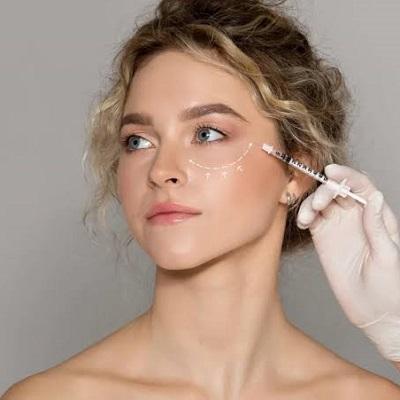
Under-eye fillers are a popular non-surgical cosmetic treatment for people who want to reduce the appearance of dark circles, hollow areas, and tired-looking eyes. By restoring lost volume beneath the eyes, dermal fillers can create a smoother and more refreshed facial appearance. However, achieving natural-looking results depends on several factors, including skin condition, facial anatomy, lifestyle habits, and overall health. One factor that is sometimes overlooked is allergies.
Allergies can affect the delicate skin around the eyes in different ways. Symptoms such as puffiness, redness, itching, watery eyes, and inflammation may influence how the under-eye area looks before and after treatment. Although having allergies does not automatically make someone unsuitable for dermal fillers, uncontrolled allergic symptoms may affect the treatment assessment, recovery period, and appearance of the final results.
For individuals considering Under Eye Fillers in Muscat, understanding how allergies interact with cosmetic injectable treatments can help them make better decisions. Knowing what precautions to take, when to schedule treatment, and which symptoms require attention can contribute to a more comfortable treatment experience.
1. Understanding How Allergies Affect the Under-Eye Area
Allergies occur when the immune system reacts to substances that it considers harmful, even when those substances are generally harmless. Common triggers include pollen, dust mites, pet dander, certain foods, medications, and cosmetic ingredients.
The skin beneath the eyes is particularly delicate and sensitive. Because it is thinner than many other areas of the face, allergic reactions can become noticeable relatively quickly.
Common allergy-related symptoms around the eyes include:
-
Puffiness and swelling beneath the eyes.
-
Redness and irritation.
-
Persistent itching.
-
Watery or irritated eyes.
-
Darker-looking skin caused by inflammation and congestion.
-
Increased sensitivity around the eyelids.
These symptoms can change the natural appearance of the under-eye area. For example, someone experiencing seasonal allergies may notice that their under-eyes look swollen or darker than usual.
Under-eye fillers are generally designed to address volume loss and hollowing rather than allergy-related puffiness. Therefore, understanding the actual cause of an under-eye concern is important before treatment.
If allergies are responsible for much of the swelling or discoloration, treating the underlying allergy may be more appropriate than immediately considering fillers.
2. Can Allergies Change the Appearance of Under-Eye Filler Results?
Allergies can influence how under-eye filler results look, particularly when they cause recurring swelling or inflammation.
Hyaluronic acid-based fillers work by adding volume beneath the skin. They are commonly used to soften the appearance of hollow tear troughs and improve the transition between the lower eyelid and cheek.
However, the under-eye area naturally has a tendency to retain fluid. Hyaluronic acid also attracts and binds water, which means that the treated area may appear fuller when additional fluid accumulation occurs.
When allergies trigger inflammation or fluid retention, several changes may become noticeable.
Increased Puffiness
Allergy-related fluid accumulation can make the under-eye area appear swollen. If filler has already been placed in this region, existing puffiness may become more noticeable.
This does not necessarily mean the filler has been incorrectly administered. Instead, the combination of natural fluid retention, allergy-related inflammation, and filler volume may affect the overall appearance.
Uneven-Looking Results
Allergic reactions may cause swelling that affects one side of the face more than the other. This temporary difference can make the treated area appear uneven.
It is important to distinguish between temporary swelling and an actual filler irregularity. A professional assessment can help identify the cause.
More Noticeable Under-Eye Bags
People who naturally experience under-eye bags or allergy-related puffiness may find that additional filler makes the area look heavier.
This is why appropriate patient selection is particularly important when considering Under Eye Fillers in Muscat. A treatment provider should assess whether the concern is caused by volume loss, fluid retention, prominent fat pads, or a combination of factors.
3. How Different Types of Allergies May Influence Filler Results
Not all allergies affect the under-eye area in the same way. Understanding the differences can help individuals recognise potential concerns before undergoing treatment.
Seasonal Allergies
Seasonal allergies are commonly associated with pollen and other environmental allergens. They may cause sneezing, watery eyes, nasal congestion, and swelling beneath the eyes.
Repeated episodes of inflammation can make the under-eye area appear puffy or darker. Individuals experiencing active seasonal symptoms may benefit from waiting until their condition is controlled before scheduling filler treatment.
Dust and Environmental Allergies
Dust mites and environmental irritants can trigger persistent eye irritation in some individuals. Frequent itching and rubbing may increase redness and sensitivity around the eyes.
After filler treatment, rubbing the treated area is generally discouraged because unnecessary pressure may increase irritation and discomfort.
Skincare and Cosmetic Allergies
Certain eye creams, makeup products, fragrances, and skincare ingredients can cause contact dermatitis.
This type of reaction may result in redness, itching, dryness, and swelling. If the skin around the eyes is irritated, treatment may need to be postponed until the reaction has settled.
Medication and Product Sensitivities
Individuals with a history of reactions to medications, injectable products, or previous cosmetic procedures should discuss these experiences during their consultation.
A history of allergies does not automatically mean someone will react to hyaluronic acid fillers. However, a complete medical history helps identify potential risks and determine whether additional precautions are necessary.
4. Precautions to Protect Under-Eye Filler Results
Taking appropriate precautions before and after treatment can help minimise avoidable irritation and support a smoother recovery.
For individuals exploring Under Eye Fillers in Muscat, preparation should include a detailed consultation and a discussion of any existing allergy symptoms.
Control Existing Allergy Symptoms
Whenever possible, allergy symptoms should be appropriately managed before treatment. Individuals experiencing significant swelling, redness, or itching around the eyes may need to postpone the procedure.
A calm and healthy treatment area makes it easier to assess the natural facial contours and plan the appropriate amount of filler.
Discuss Medical and Allergy History
A treatment provider should be informed about all known allergies, including reactions to medications, skincare ingredients, latex, foods, and previous injectable treatments.
It is also important to mention any history of severe allergic reactions or unexplained swelling.
Review Current Medications
People who regularly use antihistamines, eye drops, nasal sprays, or other allergy medications should discuss them during the consultation.
Some medications and supplements may also influence bruising or bleeding. Individuals should never stop prescribed medication without appropriate medical guidance.
Avoid Unnecessary Eye Rubbing
Frequent rubbing can irritate the delicate under-eye skin and contribute to inflammation. After treatment, avoiding pressure on the injected area is particularly important.
Individuals with itchy eyes should follow suitable allergy-management advice to reduce the urge to rub.
Follow Professional Aftercare Instructions
Aftercare recommendations may include avoiding strenuous exercise for a short period, limiting pressure on the treated area, and temporarily avoiding certain skincare products.
Following these instructions can help minimise unnecessary irritation during the initial healing period.
5. What Happens If Allergies Develop After Under-Eye Filler Treatment?
Although many individuals recover without significant complications, allergy symptoms can sometimes develop or become more noticeable after treatment.
It is important to understand that not all swelling following filler injections is caused by an allergy.
Mild swelling, redness, tenderness, and bruising are common temporary effects of injectable treatments. These usually improve gradually as the tissues recover.
However, certain symptoms may indicate an inflammatory reaction or another complication.
Temporary Swelling
Some swelling is expected after under-eye filler injections. Individuals with existing allergies may find it more difficult to distinguish normal post-treatment swelling from allergy-related puffiness.
Monitoring whether symptoms gradually improve is important.
Delayed Inflammatory Reactions
In some cases, hyaluronic acid fillers can trigger delayed inflammatory responses. These may appear days, weeks, or occasionally months after treatment.
Possible symptoms include swelling, redness, tenderness, and small lumps around the treated area.
Such reactions require professional assessment because they may have different underlying causes, including immune responses or infection.
Persistent or Worsening Symptoms
Swelling that continues to increase, significant discomfort, warmth, or spreading redness should not be ignored.
Sudden vision changes, severe pain, or unusual skin discolouration after filler injections require immediate emergency assessment because they may indicate a serious vascular complication.
Similarly, breathing difficulties or swelling of the tongue or throat may indicate a severe allergic reaction and require emergency medical attention.
6. Who Can Benefit from Under Eye Fillers and When Should Treatment Be Avoided?
Under-eye fillers may be suitable for adults who experience volume loss, hollow tear troughs, or certain types of under-eye shadows.
However, the treatment is not appropriate for every individual. A detailed assessment helps determine whether fillers are likely to address the actual concern.
Potential candidates may include individuals who:
-
Have noticeable hollowness beneath the eyes.
-
Experience volume loss associated with ageing.
-
Want to improve the appearance of tired-looking eyes.
-
Have suitable skin quality and facial anatomy.
-
Understand the expected results and limitations of fillers.
-
Are looking for a non-surgical approach to restoring under-eye volume.
On the other hand, individuals with significant under-eye bags, prominent fat pads, loose skin, or persistent fluid retention may require a different approach.
Treatment may also need to be postponed when there is active inflammation, an infection, or uncontrolled allergy-related swelling around the eyes.
When exploring Under Eye Fillers in Muscat, individuals should focus on suitability and treatment quality rather than expecting fillers to correct every under-eye concern.
A personalised assessment is essential because the right approach depends on facial structure, skin condition, medical history, and individual expectations.
Frequently Asked Questions (FAQs)
1. Can seasonal allergies affect under-eye filler results?
Yes, seasonal allergies can influence the appearance of under-eye filler results by causing inflammation and fluid retention. This may make the treated area look puffier or temporarily uneven. Managing allergy symptoms before treatment can help improve the overall experience.
2. Can allergies make under-eye fillers look swollen?
Allergies can contribute to swelling beneath the eyes. Since hyaluronic acid fillers also attract water, additional fluid retention may make puffiness more noticeable in some individuals. Persistent swelling should be assessed to determine its cause.
3. Should someone avoid under-eye fillers if they have allergies?
Not necessarily. Having allergies does not automatically disqualify someone from treatment. However, individuals experiencing active redness, itching, irritation, or significant swelling may need to wait until symptoms are controlled.
4. Can antihistamines affect under-eye filler results?
Antihistamines are commonly used to manage allergy symptoms and are not generally considered incompatible with hyaluronic acid fillers. However, individuals should disclose all medications during their consultation and follow appropriate medical advice.
5. Can an allergic reaction develop weeks after under-eye filler treatment?
Yes, delayed inflammatory reactions can occasionally occur weeks or even months after filler injections. Symptoms may include swelling, redness, tenderness, or small lumps. These symptoms require professional evaluation rather than self-treatment.
6. How can individuals maintain their under-eye filler results if they have allergies?
Managing allergy triggers, avoiding frequent eye rubbing, following aftercare instructions, and maintaining an appropriate skincare routine can help support recovery and the appearance of results. Regular follow-up assessments can also help identify concerns early.
Conclusion
Allergies can influence the appearance and recovery of under-eye filler treatments, particularly when they cause persistent puffiness, irritation, or inflammation. Although most individuals with allergies can still be considered for treatment, controlling existing symptoms and receiving a proper assessment are important steps.
For those considering Under Eye Fillers in Muscat, understanding the relationship between allergies and filler results can help set realistic expectations and support better treatment decisions.
The most suitable approach involves evaluating the underlying cause of under-eye concerns, reviewing medical and allergy history, selecting appropriate treatment options, and following professional aftercare guidance. With careful planning and appropriate patient selection, under-eye fillers may help restore lost volume and create a naturally refreshed appearance.
Read More About Under Eye Fillers: https://fakescam.net/read-blog/41833
 Portuguese (Brazil)
 English
 Arabic
 French
 Spanish
 Portuguese
 Deutsch
 Turkish
 Dutch
 Italiano
 Russian
 Romaian
 Greek