

Rush Patch Embroidery Craft Studio
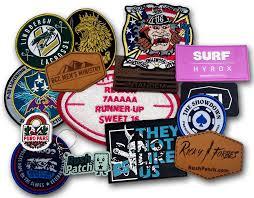
Embroidery is more than simply stitching thread onto fabric. Creating a professional embroidered patch requires thoughtful artwork, suitable materials, careful digitizing, correct stitch selection, and attention to finishing. Rush Patch Embroidery Craft Studio is designed around this broader idea, combining patch-making knowledge with educational content for people who want to understand embroidery and custom patch production.
Rush Patch describes EmbroiderCraft Studio as its media and publication division, focused on educational tutorials, articles, and guides for embroidery professionals, hobbyists, and businesses. The studio builds on Rush Patch's experience in producing embroidered, woven, PVC, and other specialty patches.
What Is Rush Patch Embroidery Craft Studio?
Rush Patch Embroidery Craft Studio is an educational extension of Rush Patch rather than simply another patch product.
The goal is to make embroidery and patch production easier to understand. Someone who is new to embroidery may know what an embroidered patch looks like but have little understanding of how artwork becomes a stitched product.
The studio can help explain subjects such as embroidery techniques, patch construction, digitizing, backing options, heat application, sewing, patch design, and production considerations.
That educational approach matters because choosing a patch is not only about selecting a picture and ordering it. The production method has a direct effect on how the final design looks.
How Embroidery Becomes a Custom Patch
A custom embroidered patch generally begins with artwork.
That artwork must then be prepared for embroidery. Unlike a normal digital image, embroidery uses physical stitches, so extremely small details, thin lines, tiny text, and complex shading may need to be modified.
The design is converted into embroidery instructions that tell the machine where and how to place stitches.
The patch is then produced using thread, backing material, and a suitable border or finishing method.
Rush Patch offers custom embroidered patches with different shape, border, backing, and size options. Its current embroidered patch product supports custom shapes as well as circle, square, rectangle, crest, diamond, and oval options.
Why Embroidery Digitizing Matters
Digitizing is one of the most important parts of professional embroidery.
A graphic that looks perfect on a computer screen does not automatically translate into good embroidery.
Digitizing determines factors such as stitch direction, stitch density, underlay, sequencing, and other technical details.
Poor digitizing can produce puckering, gaps, excessive thread buildup, distorted shapes, or lettering that becomes difficult to read.
This is why professional embroidery production requires more than simply uploading a logo.
Choosing the Right Embroidery Design
A strong embroidered patch design is usually clear and recognizable.
Bold shapes and readable lettering tend to work better than extremely complicated graphics.
If your logo contains small text, consider simplifying it or increasing the patch size.
The physical limitations of thread should always be considered during design.
Trying to reproduce every tiny detail from a digital illustration can actually make the finished patch look worse.
A good embroidery design is not necessarily the most detailed design. It is the design that translates effectively into stitches.
Custom Embroidered Patches by Rush Patch
Rush Patch offers Custom Embroidered Patches for applications including hats, jackets, uniforms, bags, teams, businesses, and organizations. The company lists multiple backing options, including heat applied, Velcro, sew-on, and adhesive.
This flexibility is important because the correct backing depends on how and where the patch will be used.
A patch intended for a jacket may require a different attachment method from one designed for a removable uniform panel.
Embroidery for Hats
Hats are one of the most common applications for embroidered patches.
However, hat patches need to be designed according to the available space on the front panel.
A design that works as a large jacket patch may be too large for a trucker hat or baseball cap.
The shape should also complement the artwork. Rectangular patches work well with horizontal logos, while circular and shield designs can create a badge-like appearance.
Rush Patch offers patches specifically for hats as part of its custom patch range.
Embroidery for Jackets and Back Patches
Jackets provide considerably more space than hats, allowing larger embroidered designs.
Large back patches can contain detailed logos, band names, artwork, club designs, or branding.
However, size alone does not solve design problems. Large patches can still look cluttered if too many elements are packed into the artwork.
The Embroidery Craft Studio approach should be to understand the relationship between design, size, material, and production method rather than treating every patch as the same.
Choosing Patch Backing
Backing determines how a patch will be attached.
Heat-applied backing is convenient when the garment is compatible with heat.
Sew-on backing provides a traditional and durable attachment method.
Velcro backing is useful when the patch needs to be removed or replaced.
Adhesive backing can be useful for particular applications but should be selected according to the intended surface and durability requirements.
Rush Patch currently lists heat-applied, Velcro, sew-on, and adhesive backing options for its embroidered patches.
Choosing the Right Border
The border is not just decorative.
It helps define the patch edge and contributes to the final appearance.
Rush Patch currently offers hot-cut and merrow border options on its embroidered patch product.
A merrowed border can create a traditional raised edge, while a hot-cut border can be more suitable for certain custom shapes and detailed outlines.
The best choice depends on the design and desired appearance.
Embroidery Craft for Businesses
Businesses can use embroidered patches as part of their branding strategy.
A company logo can be placed on uniforms, hats, jackets, bags, and promotional apparel.
For a small business, patches can provide a relatively simple way to add branding to existing garments.
For larger brands, consistent patch production becomes more important because customers expect the logo to look the same across different products.
Rush Patch also offers bulk pricing structures for embroidered patches, with discounts increasing at larger quantities on its current product listing.
Embroidery Craft for Schools and Teams
Schools, sports teams, clubs, and organizations can use embroidered patches for identification and recognition.
Team logos, names, years, achievements, and event designs can all be incorporated into patches.
For these projects, consistency is critical.
If a school orders several batches of the same patch over time, maintaining the same artwork, dimensions, colors, and construction helps preserve a professional appearance.
Embroidery Craft for Fashion Brands
Fashion brands can use patches as a design element rather than merely an identification label.
A small embroidered logo can add branding to a cap or jacket, while a larger decorative patch can become a central part of a garment.
Brands should consider the relationship between the patch and the fabric.
A highly detailed embroidered patch may work beautifully on heavy denim but may not be appropriate for lightweight fabric.
The material and attachment method should be selected together.
Embroidery Versus Other Patch Types
Embroidery is not automatically the best patch construction for every design.
Woven patches can reproduce finer details and small lettering more effectively in some situations.
PVC patches can provide a raised, rubber-like appearance and are useful for designs that need durability.
Leather patches offer a different visual style and work particularly well for minimalist branding.
Print and embroidery combinations can provide photographic or highly detailed backgrounds while adding stitched elements for texture. Rush Patch currently offers print plus embroidery patches for designs requiring a combination of printed detail and embroidery.
The correct material should therefore be chosen based on the artwork and intended application, not simply because embroidery is popular.
Learning Through Embroidery Craft Studio
One of the most useful aspects of Rush Patch Embroidery Craft Studio is the educational focus.
Beginners often make the same mistakes repeatedly because they do not understand how embroidery differs from digital design.
Learning about stitch limitations, patch dimensions, backing, borders, fabric compatibility, and artwork preparation can prevent those mistakes.
The studio is positioned by Rush Patch as a resource for embroidery enthusiasts, hobbyists, professionals, and businesses interested in learning the art and science behind patch creation.
How to Prepare Artwork for an Embroidered Patch
Start with a clean version of the logo or design.
Remove unnecessary details.
Make sure text is large enough to remain readable.
Use strong contrast between important elements.
Avoid extremely thin lines unless the production method can support them.
Then consider the final patch dimensions.
A design should be evaluated at its actual physical size, not only while enlarged on a computer screen.
This simple step can reveal problems before production begins.
How Rush Patch Makes Ordering Easier
Rush Patch currently allows customers to upload artwork, select patch type, choose a shape and size, select backing, and customize other production details through its online ordering process. Customers can also review a digital mockup before production when the proof option is selected.
This approach reduces unnecessary back-and-forth and lets customers define the important specifications before production.
For businesses ordering in bulk, this can make repeat ordering much easier.
Rush Patch Embroidery Craft Studio and Custom Patches
The connection between education and manufacturing is useful.
Someone learning about embroidery may eventually need custom patches.
Someone already ordering patches may want to understand why one construction is better than another.
Rush Patch's Embroidery Craft Studio provides educational material while the parent company handles custom patch manufacturing. The company states that its patch production experience spans schools, military units, small businesses, and creative communities.
This combination gives customers an opportunity to understand the product rather than simply purchasing it.
Conclusion
Rush Patch Embroidery Craft Studio provides an educational perspective on embroidery and custom patch production while being connected to Rush Patch's patch manufacturing business.
Understanding embroidery digitizing, stitch limitations, patch size, backing, borders, materials, and artwork preparation can significantly improve the final result.
Rush Patch offers custom embroidered patches with multiple shapes, backings, borders, and sizing options, while EmbroiderCraft Studio focuses on educational content that helps customers and embroidery enthusiasts understand the craft.
If you are creating embroidered patches for a brand, team, school, business, event, hat, jacket, or personal project, the best starting point is not simply asking for the cheapest patch. Start with the artwork, determine how it will be used, choose the appropriate construction, and make sure the design is suitable for physical embroidery.
FAQs
What Is Rush Patch Embroidery Craft Studio?
Rush Patch Embroidery Craft Studio, also known as EmbroiderCraft Studio, is the educational and publishing division of Rush Patch focused on embroidery tutorials, articles, guides, and information about creating custom patches.
Can Rush Patch Make Custom Embroidered Patches?
Yes. Rush Patch offers custom embroidered patches with different shapes, sizes, borders, and backing options, including heat-applied, Velcro, sew-on, and adhesive backing.
What Can Embroidery Craft Studio Teach Beginners?
It can help beginners understand topics such as embroidery design, patch construction, artwork preparation, digitizing, backing, application methods, and the practical differences between various patch types.
 Russian
 English
 Arabic
 French
 Spanish
 Portuguese
 Deutsch
 Turkish
 Dutch
Dutch
 Italiano
 Romaian
 Portuguese (Brazil)
 Greek
Greek