


What Buyers Frequently Miss When Reviewing New Home Developments Ottawa
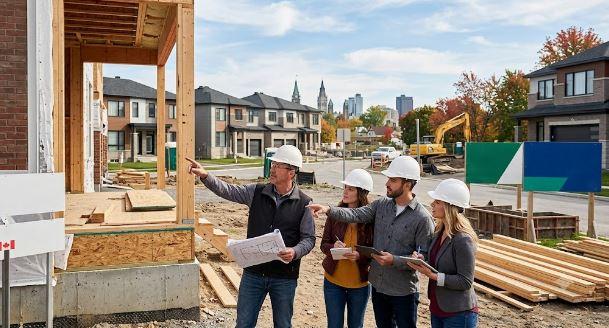
When shopping for new homes in Ottawa, many buyers focus on the floor plan, builder incentives, and the stunning model homes. These features make for a substantial impression, but often fail to predict the property's performance over the next ten years. Ownership costs over the long term, construction quality, neighbourhood growth, future infrastructure, and contractual commitments often have a significant effect on financial results, beyond the promotional incentives.
This guide offers a professional assessment approach that will analyze new home developments Ottawa as an investment, construction and risk-management opportunity. Instead of marketing literature, it provides an insight into what industry experts consider when evaluating long-term value, the reliability of the builder, location potential, construction standards, and financial commitments. Having a clear perspective on what may be missed in the review process will allow buyers to make better choices that will enable them to add to the value of their assets, mitigate the risk of negative events and have more confidence in the ownership experience.
Why New Home Developments Ottawa Require More Than a Surface-Level Review
Marketing materials are designed to emphasize what makes the property attractive, a polished lifestyle picture and offers more from the builder and usually offer little insights as to the longevity of a development. Savvy home buyers and industry professionals scrutinize further than the marketing to understand what will directly impact the future value and ownership experience of the new development. The continuing evolution of pre-construction communities and master-planned neighborhood projects over the years after the initial homes are sold and occupied warrants a thorough analysis of construction quality and project execution, long-term property value potential, builder operational track record, municipal growth plans and financial and legal obligations. Buying a home as an investment instead of choosing one to live in now can result in a smarter decision, in fewer "financial shocks" of ownership, in better prospects for reselling the home, and in more confidence along the way.
Location Evaluation Goes Beyond the Community Map
While location is one of the greatest value drivers, more than just a subdivision layout needs to be reviewed to determine its value. To gauge the effect of the surrounding area after construction, professional assessments focus on municipal planning and transportation infrastructure and neighbourhood growth.
Infrastructure and Planned Development
The appearance of a neighbourhood is probably less influential on future housing values than is the municipal investment. Eventually, road extensions, planned public transit projects, commercial development and municipal infrastructure projects can make places more accessible and better receive the demand of buyers. These are wider planning projects which give a full picture of future community's performance.
Lifestyle and Long-Term Accessibility
The neighbourhood is not just a collection of houses, but rather an integrated environment. Long-term desirability is directly linked to the access to schools, healthcare facilities, retail centres, recreation facilities and green space. Efficiency in commuting is also a factor that influences the satisfaction of homeowners and the future value of the home. A mix of convenience and quality public amenities has been linked to more robust long-term demand in communities.
Future Appreciation Drivers
There are a number of regional factors that work together to impact property appreciation. Housing demand is influenced by population growth, the increasing number of jobs, regional planning efforts, and the continuing process of economic development. When considering new home developments Ottawa, buyers should seek to understand how these indicators could impact the performance of the market in the future, rather than just the current price.
Builder Reputation Extends Beyond Model Home Presentation
An impressive model home is the result of design decisions, but does not necessarily showcase the quality of construction for a development as a whole. Builder reputation is built upon the delivery of past projects, customer satisfaction, warranty experience, and consistent operation over a number of years.
Experienced professionals often evaluate:
-
Work completed in communities (across performance)
-
Construction quality consistency
-
Warranty service responsiveness
-
Communication throughout construction
-
Financial stability and delivery history are the most important factors to consider.
Buying a house from a builder who has a history of delivering work on time and with quality assurance, tends to be more rewarding.
Construction Quality Is Often Hidden Behind Interior Finishes
While interior finishes certainly grab the eye on walkthroughs, the most important elements of the construction are concealed behind the walls and under the foundations. Durability, energy efficiency, and future maintenance costs are all related to structural integrity, building envelope performance, insulation systems and construction standards.
Structural Components
The foundation systems, quality of framing, roofing assembly and exterior protection all play a role in protecting the long term performance of the home. Failure of any of the components can have a negative impact on the structural reliability and lead to increased repair costs.
Mechanical Performance
Mechanical systems have an immediate impact on comfort, running costs and long-term reliability. The quality of installation of all the components of the HVAC, plumbing, electrical and energy-efficient building systems should be consistent in professionally constructed homes to ensure predictable long-term performance.
Quality Assurance Standards
It is not just inspections that are necessary to strengthen construction quality; it's also project management. To ensure professional workmanship, a consistent assessment of the site, the provision of supervision for construction works, the consistency of materials, documented quality assurance procedures and adherence to established building practices throughout the construction process are essential.
Financial Commitments Extend Well Beyond the Purchase Price
When considering a new home purchase in Ottawa, the price of the house is just one of the many costs to consider, and a detailed cost analysis is crucial before making a buying decision. In addition to the purchase price, buyers must consider closing costs, development costs, builder modifications, property taxes, utility connection fees, home insurance, building maintenance costs and building operating costs which all make up the cost of ownership. Promotional pricing and incentives may seem highly appealing, but there are also many hidden costs associated with closing. When they are considering the long-term viability of the ownership, industry workers take into account the projected costs as well as the initial investment, which is important for a community to be sustainable as a community develops over time. This wider financial view offers a more accurate picture of long-term affordability, which will lead to better budgeting choices and minimise the chances of unplanned costs to the owner in the future.
Reviewing Legal Documentation Requires Professional Attention
There are many contractual clauses in purchase agreements of newly built homes, which vary widely from the typical resale contract, and usually require in-depth legal review when considering new home developments Ottawa. Builder agreements, structure of deposits, occupancy dates, builder warranties, builder amendments, closing requirements, and so on are generally reviewed by industry experts to make sure buyers understand their rights, financial responsibilities and obligations of the builder throughout the construction and closing process. These contractual terms can be assessed professionally to make the transaction more transparent in terms of warranty coverage, occupancy conditions and possible changes that could impact the transaction following signing. Evaluating these clauses prior to committing to a contract can help minimize the chances of misinterpretation, ensure the buyer is aware of any potential issues from the outset, and help ensure that the purchase is made in line with the buyer's long-term financial and ownership goals.
Industry Standards Help Separate Quality Developments From Marketing Claims
A professional evaluation is based upon measurable as opposed to promotional messaging. There are objective indicators for development quality, such as building code compliance, quality assurance programs, construction inspections and professional standards.
Industry professionals commonly review:
-
Regulatory compliance documentation
-
Independent inspection processes
-
Best practices in project management
-
Material specifications
-
Performance expectations
-
Risk management procedures
These measurable standards provide stronger indicators of long-term construction performance than visual presentation alone.
Professional Guidance Strengthens Every Stage of the Evaluation Process
When buying within new home developments Ottawa, you need to learn about several disciplines; therefore, having professional guidance is an important component of a well-informed buying approach. Each of these groups has specialized insight and expertise into the real estate market that enables them to assist buyers in analyzing the market in various ways, including financial, legal, and construction considerations. Coordinated, professional support brings a more thorough analysis of total investment and minimizes potential financial and legal exposure during the transaction rather than depending on one opinion.
Professional collaboration typically includes:
-
Market evaluation to verify that market value of the property is consistent with current and future market conditions.
-
Compare builders based on construction history, project delivery timeframe, construction warranties, and overall reputation.
-
Financial planning to consider the affordability, financing and total ownership costs for the long-term.
-
Clarify purchase agreement, occupancy and builder obligations, warranty provision
-
Identifying risks by reviewing financial, legal and construction-related risks before commitments are made.
-
A coordinated transaction support that provides all the stages of the purchase with a professional and multi-disciplinary approach.
This integrated evaluation framework enables buyers to make decisions based on objective analysis rather than marketing claims, improving confidence throughout the purchasing process.
Common Oversights That Create Long-Term Buyer Risk
Many buyers make the mistake of focusing on the obvious when considering the property, and ignore issues that can have a permanent effect on the performance and cost of ownership. A professional assessment can uncover these frequent issues before they become costly problems.
The most frequently overlooked issues include:
-
Focusing on incentives over market and property value sustainability.
-
Failing to consider future neighbourhood development plans that could impact on accessibility, demand and future appreciation.
-
Not accounting for the costs of owning the property, such as maintenance costs, property taxes, insurance and continuing operating costs.
-
Ignoring contractual duties in builder contracts, occupancy conditions and warranty paperwork.
Conclusion
When assessing new home developments Ottawa, you need to take a more comprehensive look at the model homes, floor plans, and promotional offers than you would when evaluating an individual home development. The development's location, the builders' reputation, the quality of the structure, and the financial commitments and contractual safeguards are all factors that will impact the property's performance over time. An evidence-based evaluation with expert guidance enables buyers to avoid marketing hype and make decisions based on tangible value. This holistic strategy not only enhances the likelihood of successful resale but also minimizes financial anxiety and fosters increased confidence throughout the ownership experience.
FAQs
What should buyers evaluate before choosing among new home developments Ottawa?
Some of the key factors to consider are builder reputation, neighbourhood growth potential, construction quality, legal documentation, ownership costs, the municipal planning and long-term real estate resale potential. A better understanding of future value is achieved by considering the value of a product/service beyond any promotion that it may be offering.
Why is builder reputation important when purchasing a new home?
A builder's history may indicate consistency in building, reliability for project delivery, quality of warranty services, communications and customer satisfaction. These factors affect the home's long-term performance, as well as the buying experience.
What hidden costs should buyers consider beyond the purchase price?
Other financial obligations can include closing costs, development costs, builder tweaks, property taxes, utility connection fees, insurance, maintenance costs, and operating costs. Evaluating the complete ownership budget provides a more realistic financial outlook.
How does professional guidance improve the evaluation process?
Throughout the transaction, your real estate professionals, legal counsel, mortgagors and market analysts evaluate contractual requirements, compare builders, evaluate financial risks, interpret market conditions and make informed purchasing decisions.
 Turkish
 English
 Arabic
 French
 Spanish
 Portuguese
 Deutsch
 Dutch
Dutch
 Italiano
 Russian
 Romaian
 Portuguese (Brazil)
 Greek
Greek