

Custom Jacket Back Embroidery Digitizing Services for Jackets That Stand Out
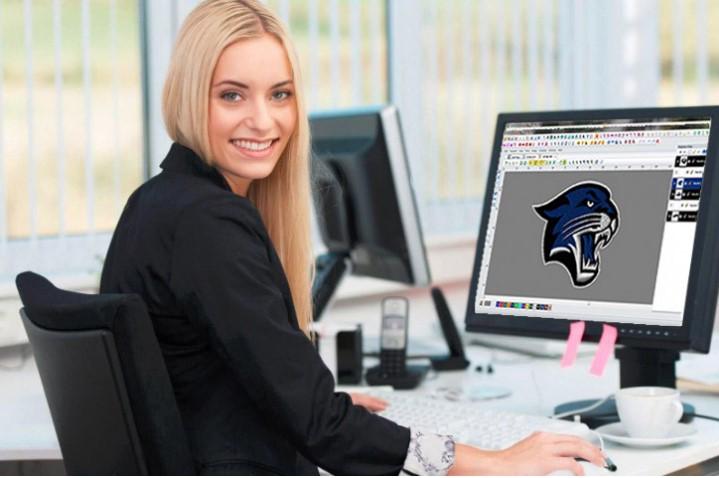
Jacket back embroidery is a great way to make a design stand out. Large logos, team names, club marks, and bold artwork can look great on the back of a jacket. But large embroidery needs more than a simple image file. It needs a well-made stitch plan that works with the jacket fabric and the size of the design.
Custom Jacket Back Embroidery Digitizing Services help turn your artwork into a machine-ready embroidery file. A skilled digitizer studies the logo, size, fabric, colors, and small details before setting the stitches. The right stitch type, density, underlay, and stitch order can help the design look clean and sharp. This is important for jackets because large designs can place more stress on the fabric.
What Is Jacket Back Embroidery Digitizing?
Jacket back digitizing is the process of turning artwork into stitch data for a large back design.
A JPG, PNG, or other image only shows the artwork. An embroidery machine needs a file that tells it how to sew each part.
The file can include:
-
Stitch paths
-
Stitch types
-
Stitch direction
-
Stitch density
-
Thread colors
-
Stitch order
-
Trims
-
Jumps
-
Design size
Each choice can affect the final look of the jacket.
Why Large Jacket Designs Need Special Care
A small chest logo and a large back logo are not the same.
A jacket back design can cover a much larger area. It may also have more colors and more stitches.
If the design is not planned well, it may cause:
-
Puckering
-
Thread breaks
-
Uneven coverage
-
Fabric distortion
-
Poor edges
-
Heavy embroidery
-
Long stitch times
A good digitizer plans the file for the full design instead of treating it like a small logo.
Start With Clean Artwork
Good digitizing starts with good artwork.
Clear artwork helps the digitizer see the design shape and details.
Useful source files can include:
-
High-quality PNG
-
JPG
-
PDF
-
AI
-
EPS
-
SVG
A small or blurry image may need cleanup first.
The digitizer may need to remove unwanted marks, fix broken lines, or rebuild parts of the artwork before creating the stitch file.
Choose the Right Design Size
Size is very important for jacket back embroidery.
The design should be large enough to stand out but should still fit the jacket properly.
Before digitizing, consider:
Jacket Size
A design for a small jacket may need a different size from one used on a large jacket.
Design Placement
The artwork should sit in the right area of the back.
Hoop Size
The embroidery hoop must be large enough for the design.
Final Use
A team jacket may need a different layout from a fashion jacket or work jacket.
Planning the size first can prevent costly changes later.
Use the Right Stitch Types
Different areas of a large design may need different stitch types.
Satin Stitch
Satin stitch works well for borders, narrow shapes, and some lettering.
It gives a smooth finish and can make certain parts stand out.
Fill Stitch
Fill stitches are useful for large areas.
The digitizer can change the direction and spacing of the stitches to create better coverage.
Running Stitch
Running stitches can work for thin lines and fine outlines.
Using the right stitch type helps keep the design balanced.
Control Stitch Density
Density is the amount of stitches placed in an area.
Too little density can leave gaps.
Too much density can make the design heavy.
It can also increase the risk of:
-
Thread breaks
-
Puckering
-
Fabric stress
-
Long stitch times
Large jacket designs need a good balance.
The digitizer should avoid adding stitches simply to increase coverage. The goal is clean coverage with a reasonable stitch count.
Underlay Helps Support the Design
Underlay sits below the main stitches.
It gives the top stitches a base to sit on.
Good underlay can help:
-
Hold the fabric
-
Improve coverage
-
Support large fills
-
Reduce gaps
-
Keep edges cleaner
The right underlay depends on the jacket material and design.
A thin jacket may need different settings from a thick jacket.
Stitch Direction Can Change the Look
Stitch direction is easy to overlook.
But it can make a large design look much better.
For example, a curved shape may look better when the stitches follow its natural curve.
Different directions can also add texture and help separate parts of the design.
A skilled digitizer plans stitch direction based on the shape rather than using one direction for the whole design.
Pull Compensation Matters
Embroidery stitches can pull fabric as they are added.
This can change the shape of a design.
Pull compensation helps the digitizer account for this movement.
If there is not enough compensation, gaps may appear.
Too much compensation can make parts of the design too wide.
The correct setting depends on the fabric, stitch type, and design.
Jacket Material Affects the Result
Jackets come in many materials.
Each one can behave in a different way during embroidery.
Denim Jackets
Denim is firm and can support bold designs well. Density still needs to be controlled.
Nylon Jackets
Nylon can be lighter and may need careful support to avoid distortion.
Leather or Faux Leather
These materials need special care. The wrong stitch plan can leave visible holes or marks.
Fleece Jackets
Fleece has a soft surface. Proper underlay and stabilizer use can help keep the design clear.
The digitizer should know what fabric will be used before preparing the file.
Use the Right Stabilizer
Stabilizer helps keep the jacket steady during stitching.
The right type depends on the material and design.
A large back design may need strong support because it uses many stitches.
Poor stabilizer use can cause:
-
Shifting
-
Puckering
-
Uneven edges
-
Design distortion
Good digitizing and proper stabilization should work together.
Plan the Stitch Order
Stitch order tells the machine which part to sew first.
A poor order can create extra jumps and trims.
A good sequence can help:
-
Reduce thread changes
-
Reduce jumps
-
Keep the fabric stable
-
Improve stitch flow
-
Save production time
Large designs can have many parts, so stitch order becomes even more important.
Keep Large Lettering Clear
Many jacket back designs include names, words, or team titles.
Large text can look great when it is digitized well.
The digitizer should check:
-
Letter height
-
Font shape
-
Spacing
-
Stitch direction
-
Density
-
Pull compensation
Very thin letters may not stitch well.
Bold and simple fonts are often easier to read after stitching.
Test Before Full Production
A test stitch is one of the best ways to check a new design.
The computer preview can show the basic design, but real fabric can behave in different ways.
A test can reveal:
-
Thread breaks
-
Gaps
-
Puckering
-
Poor lettering
-
Uneven fills
-
Wrong density
-
Placement issues
If something does not look right, the file can be adjusted before a large order.
Avoid Making the Design Too Heavy
Large does not mean the design needs to be packed with stitches.
Too many stitches can make the jacket uncomfortable.
It can also increase production time.
A skilled digitizer looks for ways to create good coverage without unnecessary stitches.
This can make the final design lighter and easier to stitch.
Check the Embroidery File Format
Your embroidery machine needs a supported file format.
Common machine formats include:
-
DST
-
PES
-
JEF
-
EXP
-
VP3
-
HUS
The correct format depends on the machine.
Always tell the digitizer your machine brand and model before ordering.
Also provide the required hoop size and final design dimensions.
How to Choose a Jacket Back Digitizing Service
Look at the service's past work before placing an order.
Try to find samples of large designs.
Look for:
-
Clean edges
-
Smooth lettering
-
Balanced fills
-
Good stitch direction
-
Controlled density
-
Few unnecessary jumps
Ask if they can work with your jacket material.
You should also ask about revisions and test stitching.
Questions to Ask Before Ordering
Before you send your artwork, ask:
-
Can you digitize large jacket back designs?
-
Can you work with my jacket material?
-
Which file format do you provide?
-
Can you match my required design size?
-
Do you handle large lettering?
-
Are revisions included?
-
Can I request a test stitch?
-
What is the expected turnaround time?
-
Can you reduce unnecessary stitches?
-
Does the file support my embroidery machine?
Clear answers can help you choose the right service.
Why Professional Digitizing Is Worth It
A poorly made file can create problems during production.
You may waste:
-
Jackets
-
Thread
-
Machine time
-
Production hours
You may also need to pay someone to fix the file.
A well-made file can help reduce these problems. It can also give the finished jacket a cleaner and more professional look.
Absolute Digitizing can be considered when you need large jacket back designs prepared with attention to fabric, stitch quality, and machine requirements.
Final Quality Check
Before starting a large order, check the sample.
Artwork
Does the stitched design match the original?
Size
Does it fit the jacket correctly?
Lettering
Can every word be read?
Density
Are there areas that feel too heavy?
Edges
Are the borders smooth and clean?
Fabric
Does the jacket remain flat?
Thread
Are the colors correct?
A short quality check can prevent bigger problems later.
Final Thoughts
A great jacket back design needs more than attractive artwork. It needs a stitch plan that works with the jacket, design size, fabric, and embroidery machine.
Good digitizing helps control density, underlay, stitch direction, pull compensation, and stitch order. It can also reduce common problems such as thread breaks, gaps, puckering, and fabric distortion.
If you want jackets that stand out, focus on both design and stitch quality. Use clear artwork, choose the right size, test the file, and work with a digitizer who understands large embroidery.
With the right preparation, your jacket back logo can look bold, clean, and professional while remaining suitable for real production. Absolute Digitizing can also be an option when you need professional digitizing for jacket backs, team logos, business designs, and other large embroidery projects.
 Russian
 English
 Arabic
 French
 Spanish
 Portuguese
 Deutsch
 Turkish
 Dutch
Dutch
 Italiano
 Romaian
 Portuguese (Brazil)
 Greek
Greek