


What Are the Best Plug-In Freezers for Your Business?
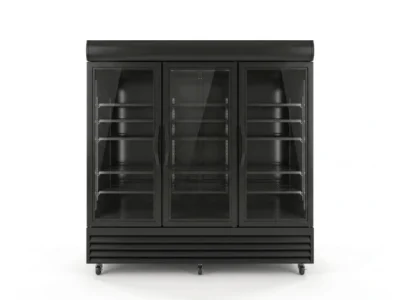
Choosing the right commercial refrigeration equipment is one of the most critical decisions for any food service, retail, or hospitality business. If you need a flexible, reliable, and energy-efficient way to preserve stock, Shop Solutions Midlands provides premium plug-in freezers designed for immediate deployment.
Unlike central remote refrigeration systems that require complex pipework, external condenser units, and costly professional installation, a plug-in freezer is a self-contained unit. You simply unpack it, position it on your sales floor or kitchen area, and plug it into a standard electrical outlet.
In this comprehensive guide, Shop Solutions Midlands explores how plug-in freezers work, the top commercial models available, key buying factors, and how to optimize your commercial freezing setup for maximum energy efficiency.
Why Choose Plug-In Freezers from Shop Solutions Midlands?
When expanding or upgrading your retail display or kitchen prep area, flexibility and speed are key. Commercial plug-in freezers offer distinct operational advantages that make them the preferred choice for modern enterprises.
-
Immediate Installation: Plug-in freezers require no specialized engineering or external plumbing. They are ready to store goods right out of the crate.
-
Layout Agility: If you decide to renovate your store layout or shift seasonal inventory, these units can easily be relocated to high-traffic areas.
-
Lower Initial Capital Expenditure: Remote systems involve high installation fees and structural modifications. Plug-in units significantly lower your upfront entry cost.
-
Easy Maintenance: Because all components—including the compressor and condenser—are integrated into a single cabinet, servicing and routine checks are straightforward.
What Types of Plug-In Freezers Does Shop Solutions Midlands Offer?
Different commercial environments require specific temperature profiles, visibility levels, and space utilization. Shop Solutions Midlands supplies a diverse portfolio of commercial freezers tailored to your exact industry requirements.
1. Glass-Door Display Freezers
Ideal for supermarkets, convenience stores, and grab-and-go outlets, glass-door plug-in freezers maximize product visibility while maintaining stable sub-zero temperatures.
-
Upright Multi-Deck Glass Freezers: Perfect for maximizing vertical floor space and highlighting packaged frozen goods, ice creams, and ready-made meals.
-
Countertop & Impulse Displays: Small-footprint units placed strategically near checkout areas to drive last-minute impulse sales.
2. Commercial Chest Freezers
Chest freezers are the workhorses of back-of-house storage and high-volume retail display.
-
Sliding Glass Lid Chest Freezers: Allow customers to easily peer inside from above while keeping energy loss to a minimum.
-
Solid Lid Storage Chest Freezers: Built for commercial kitchens, storage rooms, and catering facilities that require bulk freezing capacity.
3. Under-Counter and Worktop Freezers
Designed specifically for space-constrained kitchens, bars, and laboratory settings, under-counter plug-in freezers fit neatly beneath standard prep tables to keep essential ingredients within arm's reach.
Key Features Comparison: Top Plug-In Freezer Models
|
Model Type |
Ideal Application |
Temperature Range |
Energy Class Rating |
Primary Benefit |
|
Glass-Door Upright Display |
Retail Supermarkets, Convenience Stores |
-18°C to -23°C |
B to D |
High visual impact & impulse sales |
|
Sliding Lid Chest Freezer |
Supermarkets, Ice Cream Parlors |
-14°C to -24°C |
A++ to C |
Low energy consumption & easy access |
|
Back-of-House Solid Chest |
Catering, Kitchen Storage |
-18°C to -26°C |
A+ to B |
Maximum volume capacity for bulk stock |
|
Under-Counter Worktop |
Commercial Kitchens, Cafes |
-15°C to -22°C |
B to C |
Compact footprint & ergonomic workflow |
How Do You Select the Right Plug-In Freezer for Your Business?
Selecting the optimal commercial freezer requires balancing operational requirements, available floor area, and long-term running costs.
1. Internal Storage Volume vs. External Footprint
Measure your available floor area carefully, including clearance for doors to open fully. Ensure there is adequate ventilation space around the cabinet's intake and exhaust grilles.
2. Temperature Ranges and Climate Classes
Verify that the unit is rated for your environment. If placing the freezer in a warm kitchen or near direct sunlight, select a Climate Class 4 or 5 model capable of holding consistent temperatures in high ambient environments (up to 40°C).
3. Defrosting Mechanisms: Manual vs. Automatic
-
Auto-Defrost (Frost-Free): Periodically warms the evaporator coil automatically to prevent ice build-up, ensuring hassle-free operation.
-
Manual Defrost: Requires occasional manual shutoff and drain, but offers slightly higher energy efficiency and stable humidity levels.
How Can You Optimize Energy Efficiency and Reduce Operating Costs?
Commercial refrigeration units run 24 hours a day, 365 days a year. Managing energy consumption directly impacts your bottom line.
-
Maintain Clean Condenser Coils: Dust accumulation on condenser coils forces the compressor to work harder, increasing electricity usage by up to 20%. Clean coils every 30 to 60 days.
-
Ensure Proper Airflow: Do not overfill the internal chamber. Air must circulate freely around frozen stock to maintain uniform core temperatures.
-
Check Door Gaskets Regularly: Worn or torn magnetic door seals allow warm ambient air to seep into the cabinet, leading to frost accumulation and higher power bills.
-
Choose Natural Refrigerants: Modern units supplied by Shop Solutions Midlands utilize eco-friendly refrigerants like R290 (Propane), which deliver superior thermodynamic performance while meeting environmental compliance standards.
Frequently Asked Questions About Plug-In Freezers
How long does a commercial plug-in freezer take to cool down after setup?
Once plugged in, allow the empty freezer to run for at least 2 to 4 hours (or until it reaches its target operating temperature) before loading it with pre-frozen stock.
Can a plug-in freezer be placed in a garage or outdoor shed?
Yes, provided the unit is rated for the ambient temperature range of that environment. Look for units featuring specialized ambient protection or low-temperature operational capabilities.
What electrical supply is needed for a commercial plug-in freezer?
Most standard commercial plug-in freezers operate on a standard single-phase electrical outlet (230V / 50Hz in the UK/EU or 120V / 60Hz in North America), eliminating the need for hardwired three-phase power connections.
Partner with Shop Solutions Midlands for Your Commercial Refrigeration Needs
Whether you are fitting out a new retail location, upgrading an existing commercial kitchen, or adding promotional display units to your shop floor, Shop Solutions Midlands delivers high-performance, energy-efficient refrigeration solutions tailored to your operational goals. Contact our technical team today to discover the ideal plug-in freezer setup for your business.
 Greek
Greek
 English
 Arabic
 French
 Spanish
 Portuguese
 Deutsch
 Turkish
 Dutch
Dutch
 Italiano
 Russian
 Romaian
 Portuguese (Brazil)