


Mounjaro in Islamabad: Understanding the Journey From Treatment to Results
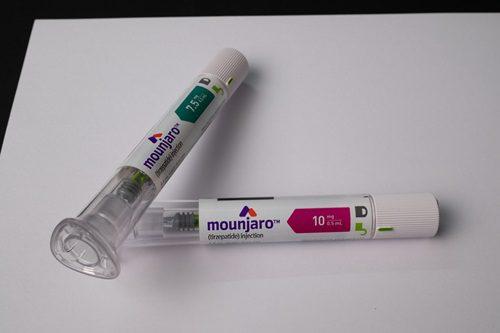
For people exploring medical weight-management options, Mounjaro in Islamabad has become a topic of growing interest. Mounjaro contains tirzepatide, a medicine that acts on GIP and GLP-1 receptors and can help regulate appetite, food intake, and blood glucose. While results can be significant for suitable patients, the treatment journey is gradual and should be guided by a qualified healthcare professional.
What Is Mounjaro and How Does It Work?
Mounjaro is a once-weekly injectable medicine containing tirzepatide. It works on two hormone pathways involved in blood-sugar regulation and appetite control. By influencing these pathways, tirzepatide may help people feel fuller for longer and reduce overall food intake.
For weight management, tirzepatide is used alongside lifestyle measures such as a reduced-calorie diet and increased physical activity. The FDA has approved tirzepatide for chronic weight management under the brand name Zepbound, while Mounjaro is approved for improving blood glucose in adults with type 2 diabetes.
Starting the Treatment Journey
The first step should be a medical assessment rather than starting injections independently. A healthcare professional may review your weight, BMI, medical history, medications, blood glucose, and other health factors before deciding whether tirzepatide is appropriate.
Treatment generally begins with a lower dose and may be increased gradually according to the prescribed schedule. This gradual approach is important because gastrointestinal side effects are particularly common during dose escalation.
Patients should follow their prescribed dosage instead of increasing it to achieve faster results.
What Happens During the First Few Weeks?
Everyone responds differently to tirzepatide. Some people notice reduced appetite relatively early, while others may experience more gradual changes.
During the initial weeks, the focus is usually on tolerating treatment and developing sustainable habits. Possible side effects include nausea, diarrhea, vomiting, constipation, abdominal discomfort, and decreased appetite. Clinical research indicates that gastrointestinal effects are generally more common during dose escalation and are often mild to moderate.
Because individual responses vary, early progress should not be judged solely by the number shown on the weighing scale.
When Can You Expect Visible Results?
Weight reduction with tirzepatide generally develops over time rather than immediately. Research from SURMOUNT-1 showed that weight loss occurred early and continued throughout the 72-week treatment period.
Interestingly, not everyone who responds slowly during the first few months is necessarily a non-responder. A later analysis found that 90% of participants who had lost less than 5% of their weight by Week 12 eventually achieved at least 5% weight reduction by Week 72.
This highlights why patients should avoid comparing their progress with someone else's timeline.
The Importance of Diet and Lifestyle
Mounjaro should not be viewed as a replacement for healthy lifestyle habits. A balanced eating pattern, adequate protein and nutrient intake, regular physical activity, good sleep, and appropriate hydration can all support a long-term weight-management strategy.
Clinical trials evaluating tirzepatide for obesity incorporated reduced-calorie diets and increased physical activity alongside medication.
Building these habits during treatment can also make it easier to maintain healthier routines over the long term.
Monitoring Progress and Adjusting Treatment
Follow-up appointments are an important part of the journey. A healthcare professional can monitor weight changes, appetite, side effects, blood glucose where relevant, and overall wellbeing.
Weight loss may eventually slow or reach a plateau. A 2025 analysis of SURMOUNT trials found that many participants reached a weight plateau during longer-term treatment, demonstrating that slower progress later in treatment can be a normal part of the process.
Treatment decisions should therefore be based on the individual's response and health needs rather than expectations of constant weekly weight loss.
Safety Considerations
Mounjaro is not suitable for everyone. The current prescribing information includes a boxed warning concerning thyroid C-cell tumors observed in rats and states that the medicine should not be used by people with a personal or family history of medullary thyroid carcinoma or by people with MEN 2.
Patients should disclose their medical history and all current medications before treatment. Severe or persistent symptoms should be discussed promptly with a healthcare professional.
Frequently Asked Questions
How long does Mounjaro take to show results?
Some people notice appetite changes early, but meaningful weight reduction generally develops over several weeks and months. Individual results vary considerably.
Is Mounjaro a quick weight-loss solution?
No. It is intended as part of a longer-term medical weight-management approach. Diet, physical activity, monitoring, and professional guidance remain important.
What if I do not lose much weight in the first few weeks?
A slow early response does not necessarily mean treatment will be unsuccessful. Research has shown that some later responders achieved clinically meaningful weight reduction after continuing treatment for longer.
Can I increase my Mounjaro dose for faster results?
No. Dose changes should only be made according to a healthcare professional's instructions. Increasing the dose without medical guidance can increase the risk of side effects.
Will results be the same for everyone?
No. Weight-management outcomes can differ according to factors such as starting weight, health status, lifestyle, treatment adherence, dose, and individual response.
Final Thoughts
The journey with Mounjaro is best understood as a gradual process rather than a race toward rapid weight loss. From the initial medical assessment and dose adjustment to lifestyle changes, monitoring, and long-term results, each stage plays an important role. Clinical evidence supports tirzepatide as an effective option for appropriate patients, but treatment should always be individualized and medically supervised.
 Romaian
 English
 Arabic
 French
 Spanish
 Portuguese
 Deutsch
 Turkish
 Dutch
Dutch
 Italiano
 Russian
 Portuguese (Brazil)
 Greek
Greek