


Mounjaro Injection in Islamabad: What to Expect During Your Weight Loss Journey
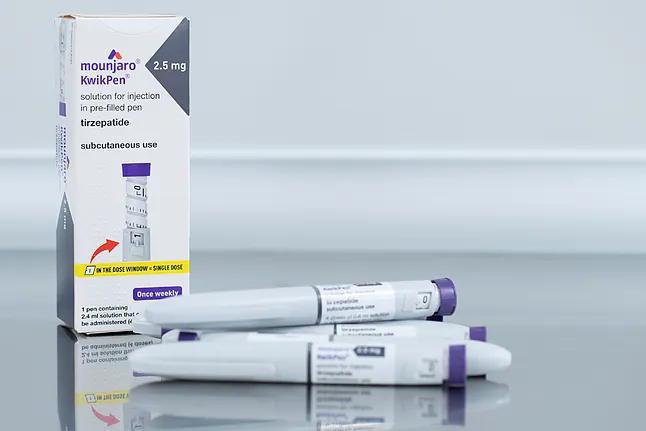
Losing weight can be challenging, especially when diet and exercise alone do not provide the desired results. In recent years, injectable medicines containing tirzepatide have gained attention as part of medically supervised weight-management plans. Mounjaro Injection in Islamabad may be discussed by qualified healthcare professionals for suitable patients, particularly those who need additional support with appetite control and metabolic health. Mounjaro is a prescription medicine containing tirzepatide and is primarily approved as a treatment for type 2 diabetes; tirzepatide is also approved under another brand for chronic weight management.
What Is Mounjaro Injection?
Mounjaro contains tirzepatide, a medicine that activates GIP and GLP-1 receptors. These hormones are involved in regulating blood sugar, appetite, and food intake. When prescribed appropriately, tirzepatide can help reduce appetite and support lower calorie intake, which may contribute to weight loss over time.
It is administered as a subcutaneous injection, generally once a week. The exact dose and treatment schedule should always be determined by a healthcare professional according to an individual's medical history and treatment goals.
What to Expect Before Starting Treatment
Before beginning treatment, a healthcare professional should assess whether tirzepatide is appropriate for you. This may include discussing your weight, medical history, current medicines, eating habits, and any existing health conditions.
Your provider may also review whether you have a personal or family history of medullary thyroid carcinoma or Multiple Endocrine Neoplasia syndrome type 2, as Mounjaro is contraindicated in these circumstances.
It is important not to start, stop, or change the dose of Mounjaro without professional guidance.
What Happens During the Weight Loss Journey?
Weight loss with tirzepatide is generally a gradual process rather than an overnight transformation. Many people notice changes in appetite and eating patterns as treatment progresses, but individual responses can vary.
The medicine is intended to work alongside healthy lifestyle habits rather than replace them. A balanced diet, appropriate physical activity, adequate hydration, and regular follow-up can all be important parts of a sustainable weight-management plan. The FDA also emphasizes maintaining healthy lifestyle habits alongside weight-management treatments.
Understanding the First Few Weeks
During the initial stage, your body may need time to adjust to the medication. Some people experience reduced appetite, while others may notice gastrointestinal symptoms.
Common side effects associated with Mounjaro include nausea, diarrhea, decreased appetite, vomiting, constipation, indigestion, and abdominal pain.
Eating smaller meals, choosing nutritious foods, and maintaining adequate fluid intake may help make the adjustment period more comfortable. However, persistent or severe symptoms should be discussed with your healthcare provider.
How Diet and Exercise Support Results
Mounjaro should not be viewed as a replacement for healthy lifestyle habits. Your weight-management plan may include nutrient-rich meals containing adequate protein, vegetables, whole grains, and other appropriate foods.
Regular physical activity can also support overall health and help maintain muscle strength while you lose weight. Your healthcare provider can recommend an activity level suitable for your health and fitness condition.
Monitoring Your Progress
Regular monitoring can help determine whether treatment is working appropriately. Your healthcare professional may monitor weight changes, appetite, blood glucose when relevant, side effects, and overall health.
Treatment may require adjustments over time. Following the prescribed schedule and attending follow-up appointments can help your provider make informed decisions about your care.
Possible Side Effects and Safety Considerations
Although many side effects are manageable, Mounjaro can cause serious adverse reactions in some people. These may include pancreatitis, severe gastrointestinal reactions, gallbladder problems, kidney problems related to dehydration, and serious allergic reactions.
Seek prompt medical attention for concerning symptoms such as severe persistent abdominal pain, difficulty breathing, significant swelling, or symptoms of severe dehydration.
Mounjaro also carries a boxed warning concerning thyroid C-cell tumors based on findings in rats. The human risk is unknown, and the medicine should not be used by people with a personal or family history of medullary thyroid carcinoma or MEN 2.
Is Mounjaro Right for Everyone?
No. Prescription weight-management medicines are not suitable for everyone. Pregnancy, certain medical conditions, allergies, current medications, and previous health problems can affect whether tirzepatide is appropriate.
People should also be cautious about obtaining unapproved or compounded versions without proper medical supervision. The FDA has reported adverse events associated with compounded tirzepatide products and recommends careful attention to dosing and administration.
Frequently Asked Questions
How often is Mounjaro injected?
Mounjaro is administered subcutaneously once weekly. The dose should be determined and adjusted by a qualified healthcare professional.
How quickly can I expect weight loss?
Weight loss varies from person to person. Results depend on factors such as starting weight, diet, physical activity, dosage, medical conditions, and individual response. A gradual, medically monitored approach is generally more appropriate than expecting immediate results.
Can I use Mounjaro without changing my diet?
Mounjaro should be used as part of an overall treatment plan. Healthy eating and physical activity remain important components of long-term weight management.
What are the most common side effects?
Common side effects include nausea, diarrhea, decreased appetite, vomiting, constipation, indigestion, and abdominal discomfort or pain.
Should I take Mounjaro without consulting a doctor?
No. Mounjaro is a prescription medication, and treatment should be started only after an appropriate medical assessment. Your healthcare provider can determine whether it is suitable and establish the appropriate dosage and monitoring plan.
Final Thoughts
A weight-loss journey with Mounjaro Injection in Islamabad should focus on safe, gradual, and medically supervised progress rather than quick results. Tirzepatide may help suitable patients manage appetite and support weight reduction, but lifestyle habits and professional monitoring remain essential. If you are considering treatment, speak with a qualified healthcare professional to understand the potential benefits, risks, alternatives, and whether this medication is appropriate for your individual needs.
 French
 English
 Arabic
 Spanish
 Portuguese
 Deutsch
 Turkish
 Dutch
Dutch
 Italiano
 Russian
 Romaian
 Portuguese (Brazil)
 Greek
Greek