


What Are the Signs of a Clogged Drain in Salt Lake City, UT
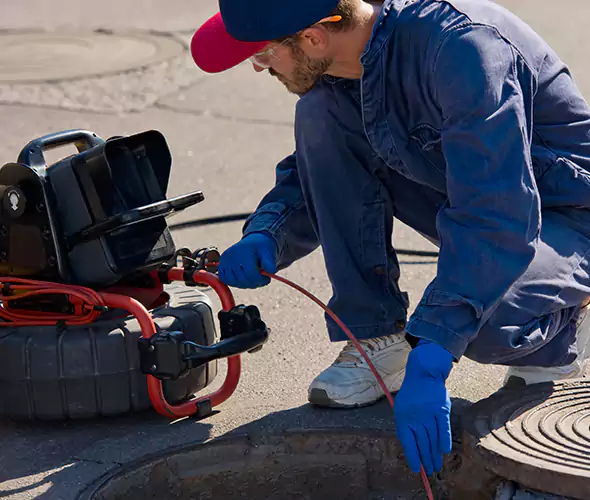
A kitchen sink that takes longer to empty or a shower that leaves water around your feet may seem like a small inconvenience. However, these problems can indicate debris collecting inside your plumbing system. Recognizing the warning signs of a clogged drain repair in Salt Lake City, UT, helps homeowners address drainage problems before wastewater begins backing up into their fixtures.
Drain blockages develop when grease, soap residue, hair, food particles, and other materials accumulate along the interior walls of drainpipes. As the opening becomes smaller, wastewater struggles to move through the plumbing system.
Slow Draining Water Is Often the First Warning Sign
Slow drainage is one of the most recognizable symptoms of a developing drain blockage. Water may collect inside a bathroom sink, remain around a shower drain, or take longer than usual to leave the kitchen basin. These changes often happen gradually, making them easy to overlook until the restriction becomes more noticeable.
Inside the drainpipe, accumulated debris reduces the space available for wastewater to pass through. Hair and soap residue commonly affect bathroom drains, while cooking grease and food particles frequently contribute to kitchen sink clogs.
Why Kitchen Sinks and Bathroom Drains Become Slow
Kitchen sinks often develop drainage problems because grease and food residue collect inside the pipes. Even small amounts of cooking oil can cling to pipe walls and trap additional debris.
Bathroom drains face different problems. Hair, soap deposits, and toothpaste residue gradually accumulate around drain openings and pipe bends.
How to Recognize a Developing Drain Restriction
A developing blockage may cause water to drain normally at first and then slow down as the fixture continues running. You might also notice water collecting around the drain opening before gradually disappearing.
Compare how quickly the affected fixture drains with other sinks or showers in your home.
Unpleasant Drain Odors and Gurgling Sounds Indicate Problems
Unusual smells coming from a sink, shower, or floor drain can indicate trapped organic material inside the drainage system. Food residue, grease, and other debris may remain inside a partially blocked pipe, where bacteria break down the accumulated material and produce unpleasant odors.
Gurgling sounds provide another warning that wastewater is not moving normally. You may hear bubbling noises when water flows through a sink or when another plumbing fixture drains nearby.
These sounds can occur when air moves through restricted drainage passages. However, gurgling may also indicate a plumbing vent problem rather than a clog.
The location of the sound matters. A single noisy drain may have a localized restriction, while noises affecting several fixtures can suggest a shared drainage issue.
What Causes Bad Smells Inside Drainpipes
Organic debris trapped inside drainpipes can produce unpleasant smells as it decomposes. Kitchen drains commonly collect food particles and grease, while bathroom drains may contain hair and soap residue.
However, not every drain odor comes from a blockage. A dry drain trap, damaged plumbing connection, or sewer gas entering through a faulty seal can produce similar symptoms.
Identifying the source is important because cleaning alone may not correct a problem involving plumbing ventilation or damaged components.
Why Drains Make Bubbling or Gurgling Noises
Gurgling occurs when air and wastewater interact abnormally inside the drainage system. A partial obstruction may restrict normal flow, causing air to move through the water and produce bubbling sounds.
If several fixtures make similar sounds, the problem may involve a shared drain line or plumbing vent. A professional assessment can determine whether the cause is accumulated debris or another plumbing defect.
Recurring Clogs and Wastewater Backups Signal Deeper Blockages
A drain that repeatedly clogs after cleaning may have a restriction that basic household tools cannot completely remove. Plungers sometimes create a temporary opening through accumulated debris without clearing the material attached to the pipe walls.
As additional grease, hair, or soap residue collects, the drain begins slowing down again. This pattern often indicates that the original obstruction remains inside the plumbing system.
Wastewater backing up into sinks, bathtubs, or showers is a more serious warning sign. When water cannot pass through a blocked drainage line, it may return through a nearby fixture.
How to Identify a Main Sewer Line Blockage
A main sewer line blockage often affects multiple plumbing fixtures rather than a single sink or shower. You may notice wastewater appearing in a bathtub when a toilet flushes or water backing up through a lower floor drain.
These symptoms suggest wastewater cannot move freely through a shared drainage pipe. A sewer camera inspection may help locate the restriction and identify damaged sections or root intrusion.
Why Repeated Drain Clogs Should Not Be Ignored
Recurring clogs indicate that something continues interfering with wastewater flow. The cause may be grease deposits, accumulated debris, tree roots, or a damaged pipe section.
Repeatedly using a plunger may temporarily restore drainage without removing the underlying restriction.
How to Prevent Drain Blockages and Recognize Serious Plumbing Issues
Preventing clogged drains begins with understanding which materials should stay out of your plumbing system. Kitchen sinks should not receive cooking grease, coffee grounds, or large food scraps. These materials can collect inside drainpipes and gradually restrict wastewater movement.
Bathroom drain strainers help catch loose hair before it enters the plumbing system. Cleaning them regularly reduces the amount of debris reaching the drainpipe.
Professional drain cleaning may be appropriate when basic maintenance fails to restore normal drainage. A plumber can inspect the affected pipes, remove accumulated material, and determine whether additional repairs are necessary.
Simple Household Practices That Protect Drainpipes
Good drainage habits can reduce the frequency of household clogs. Dispose of cooking grease in a suitable waste container rather than pouring it into the kitchen sink.
These simple practices cannot prevent every plumbing problem, but they help limit the accumulation of materials responsible for many common household drain blockages.
When Professional Drain Cleaning Becomes Necessary
Professional drain cleaning becomes appropriate when water drains slowly despite basic maintenance, clogs repeatedly return, or several fixtures develop problems together.
Plumbers can use mechanical drain snakes, camera inspection equipment, and hydro jetting systems when suitable for the pipe condition.
Conclusion
Recognizing the signs of a clogged drain can help homeowners avoid unnecessary plumbing complications. Slow draining water, unpleasant odors, gurgling noises, recurring blockages, and wastewater backups often indicate that debris or another restriction is affecting the drainage system.
Some problems develop close to a fixture and respond to basic maintenance. Others involve shared drain lines, damaged pipes, or main sewer obstructions that require professional inspection.
Frequently Asked Questions
What is the most common sign of a clogged drain.
Slow draining water is one of the most common signs. It usually occurs when accumulated debris restricts wastewater movement inside a drainpipe.
Why does my sink drain slowly but is not completely blocked.
A partial obstruction may allow some water to pass while restricting normal flow. Grease, hair, and soap deposits are common causes.
Can a clogged drain cause unpleasant odors.
Yes. Trapped food particles, grease, and organic debris can produce unpleasant smells. However, dry drain traps and plumbing defects can also cause odors.
How can I tell if my main sewer line is clogged.
Several slow drains, recurring toilet backups, and wastewater appearing in another fixture may indicate a main sewer line restriction.
Can drain clogs disappear without professional cleaning.
Some minor obstructions may clear with basic maintenance. Persistent or recurring blockages often require further inspection and appropriate drain cleaning equipment.
When should I contact a plumber for a clogged drain.
Contact a plumber when several fixtures are affected, wastewater backs up, or repeated cleaning attempts fail to restore proper drainage.
 Portuguese
 English
 Arabic
 French
 Spanish
 Deutsch
 Turkish
 Dutch
 Italiano
 Russian
 Romaian
 Portuguese (Brazil)
 Greek