

Body Contouring in Islamabad: Key Factors to Consider Before Treatment
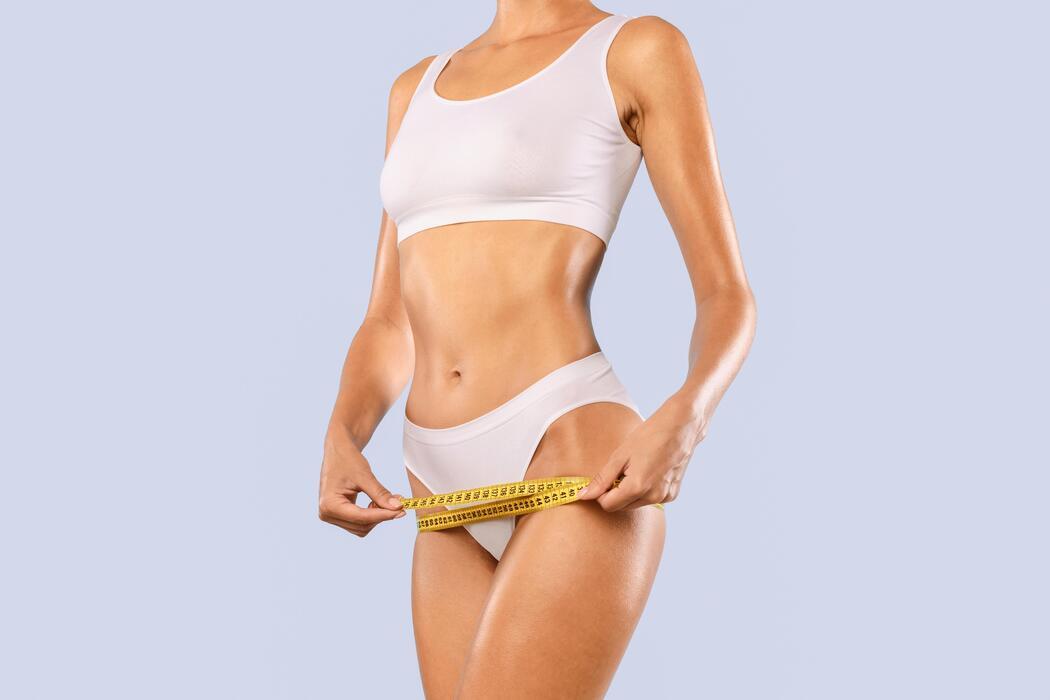
Body contouring can help improve body shape by addressing stubborn fat, loose skin, or areas that may not respond well to diet and exercise. Depending on individual needs, treatment may involve surgical procedures such as tummy tuck or liposuction, or non-surgical technologies designed to reduce localized fat. Before choosing Body Contouring in Islamabad, it is important to understand the treatment options, your suitability, potential risks, recovery requirements, and realistic expectations.
Understand Your Treatment Goals
The first step is to identify what you want to improve. Some people are mainly concerned about localized fat, while others have loose or sagging skin after significant weight loss or pregnancy. Body contouring is primarily intended to improve body shape rather than serve as a weight-loss treatment.
Clearly discussing your goals during a consultation can help determine whether surgical or non-surgical contouring is more appropriate for you. Your treatment plan should be based on your anatomy, skin quality, amount of excess fat or skin, and desired outcome.
Consider Your Overall Health
Your general health is an important factor before undergoing any body contouring procedure. A suitable candidate generally has good overall health, a stable weight, and realistic expectations. People whose medical conditions may affect healing or increase surgical risks may require additional evaluation before treatment.
During consultation, provide complete information about your medical history, previous surgeries, allergies, medications, supplements, and lifestyle habits. This allows the healthcare professional to identify potential risk factors and recommend appropriate preparation.
Make Sure Your Weight Is Stable
Maintaining a relatively stable weight is particularly important for surgical body contouring. Significant weight changes after treatment can affect the final shape and may contribute to new areas of loose skin or excess fat.
If you have recently experienced major weight loss, it may be better to maintain your target weight for a period before considering surgery. Stable weight can help make results more predictable and reduce the likelihood of future changes affecting the treated area.
Choose the Right Type of Body Contouring
Body contouring is not one single procedure. The most appropriate option depends on the specific concern being treated.
Liposuction may be considered when localized fat is the primary concern and the skin has sufficient elasticity. Surgical skin-removal procedures may be more suitable when significant loose skin is present. Non-surgical body contouring may offer another option for selected individuals who want localized fat reduction without surgery.
Non-surgical treatments generally involve shorter recovery, although multiple sessions may sometimes be recommended and results can develop gradually.
Understand the Risks and Recovery
Every procedure has potential risks. Surgical body contouring may involve complications such as bleeding, infection, fluid accumulation, poor wound healing, scarring, changes in sensation, blood clots, and contour irregularities.
Recovery also varies according to the procedure and the amount of treatment performed. Surgical procedures can require weeks or longer for full recovery, while many non-surgical treatments have minimal downtime.
Understanding these factors beforehand can help you plan time away from work, arrange assistance at home, and follow postoperative instructions properly.
Set Realistic Expectations
Body contouring can improve proportions and create a more defined appearance, but it cannot guarantee perfection. Results vary from person to person depending on skin elasticity, body structure, lifestyle, healing, and the chosen procedure.
A good consultation should explain what improvement is realistically achievable. Asking about expected results, possible limitations, scars, recovery, and whether additional procedures could be needed can help you make an informed decision.
Evaluate the Facility and Treatment Provider
When considering treatment, do not focus only on price. Check the qualifications and experience of the provider, the facility where treatment will take place, safety standards, consultation process, and follow-up care.
For surgical body contouring, professional guidance recommends using an appropriately accredited or licensed surgical facility. A thorough consultation should also give you an opportunity to ask questions and understand the complete treatment plan.
Prepare Properly Before Treatment
Preparation may include medical evaluation, laboratory testing, medication adjustments, and lifestyle changes depending on the procedure. Smoking can interfere with healing, while some medications and supplements may increase bleeding risk, so these should be discussed with your healthcare provider before treatment.
Following pre-treatment instructions carefully can support a safer procedure and smoother recovery.
Frequently Asked Questions
Is body contouring a weight-loss treatment?
No. Body contouring is primarily designed to improve body shape and address localized fat or excess skin. It should not replace a healthy diet, exercise, or medically supervised weight-management plan.
How long does recovery take after body contouring?
Recovery depends on whether the procedure is surgical or non-surgical and how much treatment is performed. Surgical procedures may require weeks or longer, whereas many non-surgical treatments have little or no downtime.
Can body contouring remove loose skin?
Certain surgical body contouring procedures can remove excess or sagging skin, particularly after significant weight loss. The appropriate procedure depends on the amount and location of excess skin.
Are non-surgical body contouring treatments safe?
Non-surgical treatments generally have fewer risks than surgery, but temporary redness, bruising, numbness, tingling, discomfort, or uneven results can occur depending on the technology used.
What should I ask during my consultation?
Ask whether you are a suitable candidate, which procedure is recommended, what results are realistic, how long recovery may take, what risks are involved, and how complications would be managed.
Final Thoughts
Choosing body contouring requires more than simply selecting a treatment. Your health, weight stability, body concerns, treatment type, recovery expectations, safety, and realistic goals should all be considered beforehand. A professional consultation can help you understand your options and develop an individualized approach. If you are considering Body Contouring in Islamabad, make an informed decision based on safety, suitability, and long-term expectations rather than appearance alone.
 Greek
Greek
 English
 Arabic
 French
 Spanish
 Portuguese
 Deutsch
 Turkish
 Dutch
Dutch
 Italiano
 Russian
 Romaian
 Portuguese (Brazil)