


Male Fertility Test: How Hormone Levels Affect Male Fertility
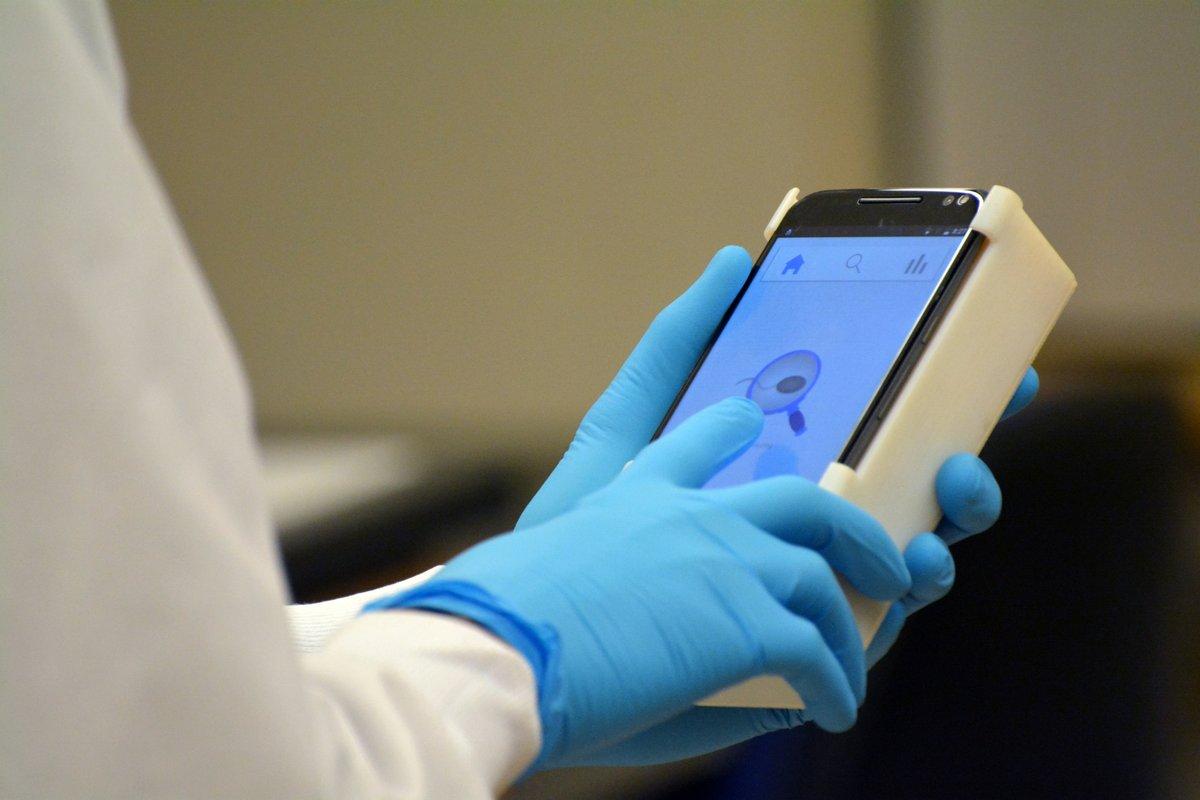
Male fertility depends on more than sperm count alone. Hormones play a central role in sperm production, testosterone regulation, sexual function, and the development of healthy sperm. When these hormones are too high, too low, or not working together properly, they may contribute to difficulties with conception.
A Male Fertility Test in Dubai can help identify potential reproductive health concerns by examining semen quality and, when medically indicated, hormone levels. While a semen analysis evaluates sperm concentration, movement, and shape, hormone testing provides additional information about the biological signals that control sperm production.
Understanding the connection between male fertility and hormones can help men recognize when testing may be appropriate, understand their results, and discuss suitable treatment options with a healthcare professional. This guide explains the main fertility hormones, how hormonal imbalances affect sperm health, and what to expect during a male fertility evaluation.
The Hormone Connection: Why Male Fertility Depends on More Than Sperm Count
The male reproductive system relies on communication between the brain and the testicles. This process is known as the hypothalamic-pituitary-gonadal axis.
The hypothalamus, a region of the brain, releases gonadotropin-releasing hormone (GnRH). This signals the pituitary gland to produce two important hormones: follicle-stimulating hormone (FSH) and luteinizing hormone (LH).
FSH supports sperm production, while LH stimulates specialized cells in the testicles to produce testosterone. Testosterone is essential for male reproductive development and function, and high local testosterone levels inside the testicles are particularly important for normal sperm production.
When this hormonal system functions properly, it supports the processes involved in developing and maturing sperm. When a problem occurs at any point in the system, sperm production may be affected.
However, hormone levels are only one part of male reproductive health. A man can have normal hormone results but still experience poor sperm motility, abnormal sperm morphology, or other fertility concerns. Similarly, abnormal hormone levels do not automatically mean that natural conception is impossible.
Four Key Hormones Evaluated During a Male Fertility Test:
Hormone testing is not necessary for every man who wants to understand his fertility. Healthcare professionals may recommend it when semen analysis results are abnormal, testosterone-related symptoms are present, or medical history suggests a hormonal problem.
The following hormones are especially relevant.
1. Follicle-Stimulating Hormone (FSH): A Clue About Sperm Production
FSH plays an important role in the development of sperm within the testicles. It acts on Sertoli cells, which support developing sperm and help maintain the environment required for sperm production.
When sperm production is impaired, FSH levels may rise because the body attempts to stimulate the testicles more strongly.
What high FSH may indicate
Elevated FSH can be associated with impaired sperm production, testicular damage, certain genetic conditions, or a history of treatments that affect the testicles. Men with significantly elevated FSH and a very low sperm count may require further investigation.
What low FSH may indicate
Low or inappropriately normal FSH levels may suggest that the brain is not providing sufficient hormonal stimulation. This can occur with certain hypothalamic or pituitary disorders, severe nutritional deficiencies, or other medical conditions.
FSH cannot independently diagnose infertility. It must be interpreted alongside sperm count, testosterone, LH, symptoms, and medical history.
2. Luteinizing Hormone (LH): The Signal That Supports Testosterone Production
LH stimulates Leydig cells in the testicles to produce testosterone. This hormone is essential for several aspects of male reproductive function, including the hormonal environment required for sperm development.
Abnormal LH levels can help healthcare professionals determine whether a testosterone problem originates primarily in the testicles or involves the brain's hormonal signaling system.
For example, high LH combined with low testosterone may suggest that the testicles are not responding adequately to hormonal stimulation. In contrast, low testosterone accompanied by low or inappropriately normal LH may point toward a problem involving the hypothalamus or pituitary gland.
These patterns help guide further evaluation, but additional testing may be needed to identify the exact cause.
3. Testosterone: Important for Reproductive Health, but Not the Whole Story
Testosterone is commonly associated with male sexual health, muscle development, energy, and libido. It also plays an important role in maintaining the reproductive system.
Low testosterone may be associated with reduced sexual desire, erectile difficulties, fatigue, and other symptoms. Depending on the underlying cause, it may also occur alongside impaired sperm production.
However, blood testosterone levels do not directly measure fertility. Some men with normal testosterone have abnormal semen analysis results, while others with low testosterone may retain some sperm production.
One important distinction is the difference between naturally produced testosterone and testosterone medication. Testosterone replacement therapy can suppress GnRH, FSH, and LH signaling. As a result, testosterone levels in the blood may increase while testosterone production inside the testicles and sperm production decrease.
This is why men who want to conceive should discuss testosterone treatment with a qualified healthcare professional before starting it. Prescribed treatment should not be stopped or changed without medical guidance.
4. Prolactin: A Hormone That Can Affect Reproductive Signaling
Prolactin is best known for its role in milk production, but it is also present in men. When prolactin levels are excessively high, a condition called hyperprolactinemia, it can interfere with the hormonal signals that regulate testosterone production.
Possible symptoms include reduced libido, erectile difficulties, low testosterone, and fertility problems. Some men may also experience headaches or visual changes if an underlying pituitary condition is present.
Elevated prolactin can result from certain medications, thyroid disorders, kidney disease, or pituitary conditions. Stress during blood collection can also temporarily affect results.
A high prolactin result may therefore require confirmation and investigation rather than an immediate conclusion that a pituitary disorder is present.
How Hormonal Imbalances Can Affect Sperm Quality?
Hormones influence several stages of reproductive function, from the initiation of sperm production to the maintenance of the testicular environment.
The effects depend on which hormone is affected and how severe or prolonged the imbalance is.
| Hormonal finding | Possible reproductive effect |
|---|---|
| High FSH | May indicate impaired sperm production |
| Low FSH and LH | May reduce hormonal stimulation of the testicles |
| Low testosterone | May accompany reduced libido and, in some cases, impaired sperm production |
| High LH with low testosterone | May suggest reduced testicular responsiveness |
| Elevated prolactin | May interfere with reproductive hormone signaling |
| Suppressed FSH and LH during testosterone use | May substantially reduce sperm production |
These patterns are clues, not definitive diagnoses. A healthcare professional considers the complete clinical picture before determining what the results mean.
Hormonal problems may lead to low sperm concentration, severe reductions in sperm production, or even azoospermia, which means no sperm are detected in the ejaculate after appropriate laboratory examination. However, azoospermia can also result from a blockage in the reproductive tract rather than a hormonal disorder.
When Should You Have Hormone Testing Alongside a Semen Analysis?
A semen analysis is generally the first laboratory test used to assess male fertility. It measures semen volume, sperm concentration, total sperm count, motility, and morphology.
Hormone testing may be recommended when the semen analysis shows a low sperm count or no sperm, when testicular examination findings are concerning, or when symptoms suggest low testosterone or another endocrine problem.
A healthcare professional may also consider hormone testing when there is a history of delayed puberty, testicular injury, certain genetic conditions, or treatment that could affect reproductive function.
Common blood tests include:
-
Total testosterone, often measured in the morning.
-
FSH to assess signals related to sperm production.
-
LH to help evaluate testosterone regulation.
-
Prolactin when symptoms or other results suggest it may be relevant.
-
Additional tests, such as thyroid function or estradiol, when clinically indicated.
Not every patient needs every test. The selection depends on symptoms, physical examination, semen analysis findings, medications, and medical history.
Understanding Your Male Fertility Hormone Test Results:
Hormone results should be interpreted using the laboratory's reference ranges and the circumstances in which the blood sample was collected.
For example, testosterone levels can vary throughout the day. A low result may need confirmation with another morning measurement, especially when symptoms suggest testosterone deficiency.
FSH and LH are also interpreted together rather than in isolation. High FSH may suggest impaired sperm production, whereas low FSH and LH can point toward inadequate stimulation from the brain.
If testosterone is low, the next step often involves determining whether the cause is testicular or related to the hypothalamus or pituitary gland. Additional testing may be appropriate depending on the results.
It is important not to diagnose yourself from a single number. Hormone levels can be influenced by acute illness, certain medications, sleep patterns, and other health conditions. A specialist can explain whether a result is clinically meaningful and whether further investigation is necessary.
Can Hormone Levels Be Improved to Support Male Fertility?
Treatment depends on the underlying cause. There is no single supplement or lifestyle change that corrects every hormonal imbalance.
When fertility problems result from a deficiency in hormonal signaling, selected treatments may stimulate the body's own reproductive hormone system. For example, specialists may prescribe gonadotropin-based treatment for certain men with hypogonadotropic hypogonadism. Other treatment approaches may be appropriate for specific underlying conditions.
When elevated prolactin is responsible for hormonal disruption, treatment may involve addressing the cause or using medication under specialist supervision.
Lifestyle measures can support overall reproductive health. Maintaining a balanced diet, exercising regularly, getting adequate sleep, avoiding smoking, limiting excessive alcohol consumption, and managing chronic health conditions are reasonable steps.
Men should also review medications and supplements with a healthcare professional, particularly if they use testosterone products or anabolic steroids.
Importantly, taking testosterone replacement therapy to improve a low blood testosterone result can be counterproductive for men trying to conceive because it may suppress sperm production. Fertility goals should be discussed before treatment begins.
Improvements in sperm production may take several months because sperm development is a gradual process. The expected timeline varies according to the cause and treatment.
Frequently Asked Questions About Male Fertility and Hormones:
Can I have normal testosterone and still be infertile?
Yes. Testosterone is important for reproductive health, but it does not measure sperm count, motility, or morphology. A semen analysis is needed to evaluate these characteristics.
Does low testosterone always mean low sperm count?
No. The relationship depends on the cause of low testosterone and the function of the reproductive hormone system. Some men with low testosterone retain sperm production, while others have significant reproductive impairment.
Can high FSH be treated?
High FSH often indicates that the testicles are receiving a strong signal to produce sperm but may not be responding adequately. Treatment depends on the underlying cause, and high FSH does not automatically mean that pregnancy is impossible.
Should I take testosterone if my level is low and I want a baby?
Do not start testosterone replacement therapy without discussing fertility implications with a qualified healthcare professional. External testosterone can suppress sperm production. A fertility-focused evaluation can help identify more appropriate options when conception is a priority.
Conclusion: Use Hormone Testing to Understand the Bigger Picture
Hormones are essential to male reproductive health because they regulate testosterone production and support sperm development. FSH, LH, testosterone, and prolactin can provide valuable information when a male fertility test suggests a possible hormonal problem.
Nevertheless, hormone Lab tests works best as part of a broader assessment that includes semen analysis, medical history, and physical examination when appropriate. No single hormone level can confirm or exclude infertility.
If you are concerned about sperm quality, low testosterone, or difficulty conceiving, speak with a qualified healthcare professional about which tests are appropriate for your situation. Understanding the underlying cause is the first step toward making informed decisions about treatment and reproductive health.
 Romaian
 English
 Arabic
 French
 Spanish
 Portuguese
 Deutsch
 Turkish
 Dutch
 Italiano
 Russian
 Portuguese (Brazil)
 Greek