


Why Professional Radon Inspections Matter for Homes
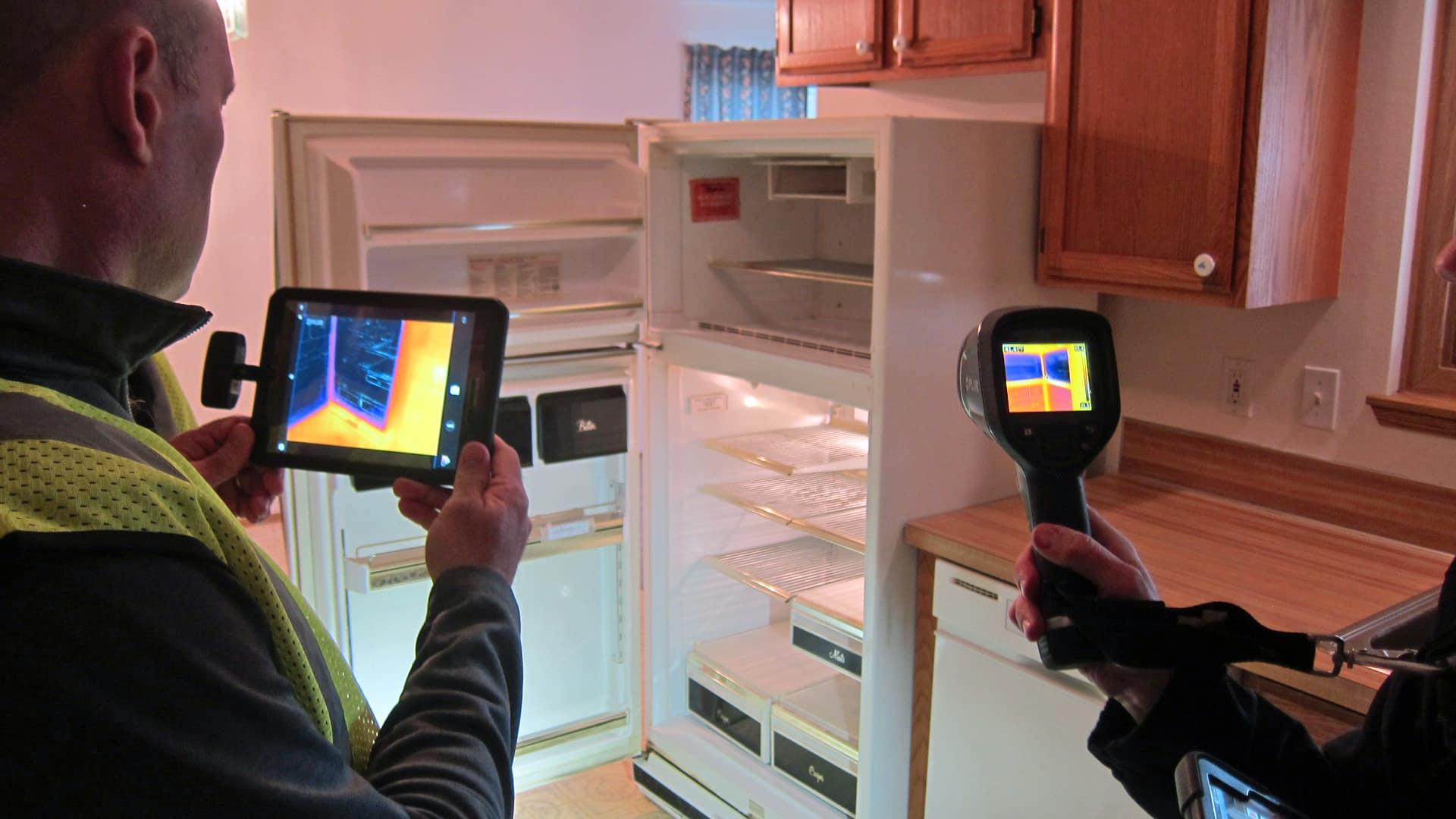
Why Radon Testing Is Important
Radon is a naturally occurring radioactive gas that can enter buildings through cracks, gaps, and other openings connected to the ground. Because it has no reliable smell, color, or taste, homeowners cannot identify its presence through normal observation. Professional testing provides useful information about radon levels and helps property owners understand whether additional action may be appropriate.
Understanding Radon Inspections
A radon inspection involves using specialized equipment to measure radon levels within a property. The testing approach can vary depending on the property, testing conditions, and purpose of the inspection. Proper placement of testing equipment and following testing guidelines are important for obtaining useful results. Professional inspectors can explain the process and provide documentation of the findings after testing is complete.
Benefits of Radon Inspection Services in Rochester
Choosing Radon Inspection Services in Rochester provides homeowners and property buyers with professional assistance when evaluating potential radon exposure. Experienced inspectors can place appropriate testing equipment, follow established procedures, and document the results clearly. Testing can provide greater awareness of indoor conditions and help homeowners determine whether further evaluation or mitigation should be considered based on the results.
The Role of a Certified Home Inspector
A Certified Home Inspector can provide valuable support when evaluating a property's overall condition. In addition to radon testing when offered within their qualifications and services, inspectors may evaluate accessible structural, electrical, plumbing, roofing, and HVAC components. Their broader knowledge can help homeowners understand multiple aspects of a property while keeping inspection findings organized and easy to review.
Where Radon Can Enter a Home
Radon can enter through openings that connect indoor spaces with the soil beneath or around a building. Cracks in foundations, construction joints, sump areas, crawlspaces, and gaps around pipes can provide possible pathways. The presence of these openings does not automatically mean that elevated radon exists, which is why actual testing is important rather than relying only on visual inspection.
Why Professional Testing Makes a Difference
Radon testing requires proper equipment placement and controlled testing conditions. Incorrect placement, disturbed equipment, or unsuitable testing conditions can affect the usefulness of results. Professional inspectors understand testing procedures and can help reduce common mistakes. They can also explain what the test measures and what steps may be appropriate after receiving the results.
When Homeowners Should Consider Testing
Testing can be especially useful when buying a property, selling a home, completing major renovations, or establishing a baseline for an existing residence. Because radon levels can vary between properties and over time, previous testing results may not always represent current conditions. Homeowners can discuss appropriate testing schedules with qualified professionals based on their property and circumstances.
Common Radon Testing Mistakes to Avoid
One common mistake is assuming that a home is safe simply because nearby properties have not reported radon concerns. Radon levels can differ significantly between buildings. Another mistake is placing testing equipment in an unsuitable location or interfering with the test environment. Relying on smell or visual signs is also ineffective because radon cannot be detected through ordinary senses.
What Happens After Testing
Once testing is completed, the results provide information about the measured radon level during the testing period. If results indicate elevated levels, homeowners can discuss appropriate next steps with qualified radon professionals. Mitigation options may involve improving soil-gas ventilation or sealing certain openings as part of a properly designed system. Professional guidance helps homeowners avoid unnecessary actions based on incomplete information.
Long-Term Benefits of Radon Awareness
Regular awareness of indoor radon conditions can help homeowners make more informed decisions about property maintenance and indoor environmental quality. Testing creates documented information that can be useful for future reference, particularly during property transactions or renovations. Staying informed also allows homeowners to respond appropriately if future testing indicates changing conditions.
Choosing Experienced Inspection Professionals
When selecting an inspection professional, homeowners should consider certification, relevant experience, testing procedures, equipment, and reporting practices. A qualified professional should clearly explain the inspection process and provide understandable documentation of the findings. Choosing an experienced inspector helps ensure that testing is performed carefully and that homeowners have useful information for making informed decisions.
Conclusion
Professional radon inspections provide homeowners with important information about indoor radon conditions that cannot be determined through ordinary observation. Proper testing, accurate documentation, and qualified guidance help property owners understand their results and determine whether further action may be appropriate. By choosing experienced inspection professionals and following recommended testing practices, homeowners can make better-informed decisions about their property's indoor environment.
 Dutch
Dutch
 English
 Arabic
 French
 Spanish
 Portuguese
 Deutsch
 Turkish
 Italiano
 Russian
 Romaian
 Portuguese (Brazil)
 Greek
Greek