


Difference Between Carpet Repair and Replacement Choices
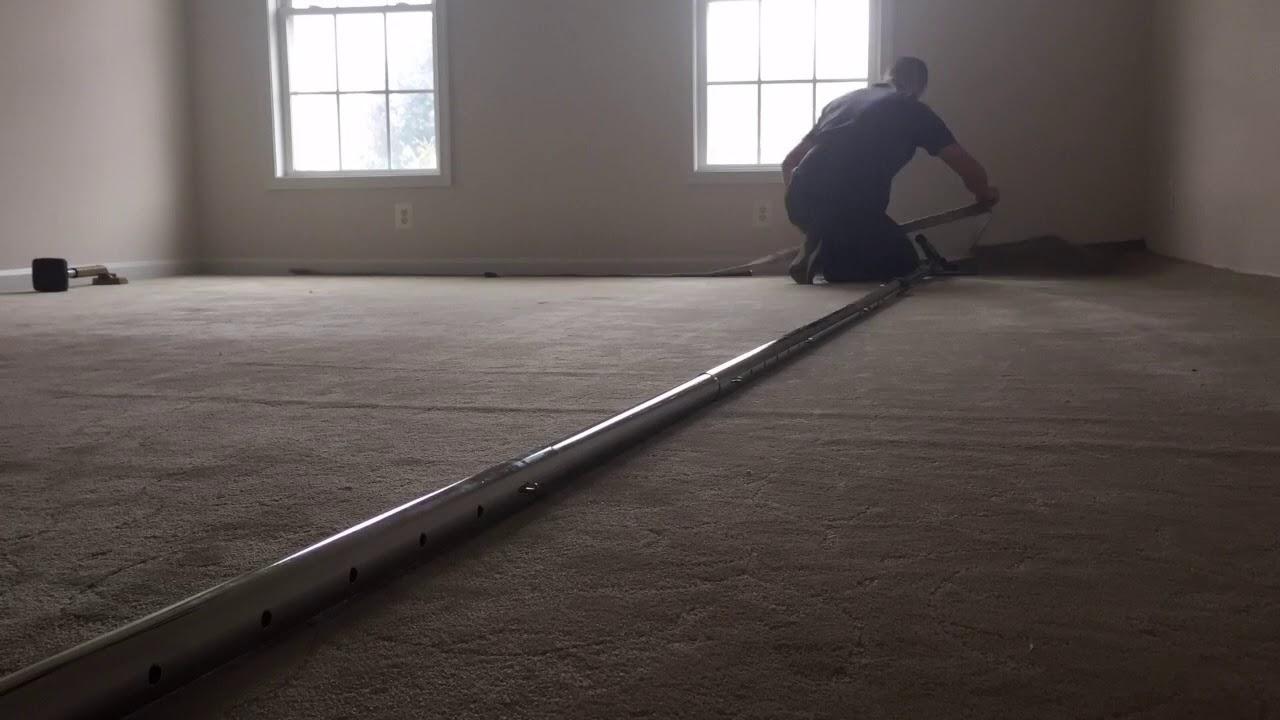
Carpet is one of the most noticeable features inside a home or business. It adds comfort, improves appearance, reduces noise, and creates a warmer atmosphere in living and working spaces. Over time, however, carpets experience daily wear from foot traffic, furniture, pets, and accidental spills. Proper care helps preserve both appearance and performance. Knowing when a carpet needs maintenance or repair allows property owners to protect their investment while extending the life of the flooring.
Common Causes of Carpet Damage
Even high-quality carpet can become damaged after years of regular use. Heavy furniture may leave permanent dents, while pets can create tears or pull carpet fibers loose. Burns, stains, water damage, and stretched sections are also common problems that affect both appearance and safety. In some cases, damaged carpet can create tripping hazards or make an entire room look older than it actually is. Identifying the cause of damage helps determine the most suitable repair approach.
When Carpet Repair Is the Better Option
Not every damaged carpet needs to be replaced. Small burns, isolated stains, loose seams, wrinkles, and minor tears can often be repaired successfully. Repairing only the damaged section usually costs less than installing entirely new flooring. A properly completed repair restores the carpet's appearance while maintaining its original function. Many homeowners choose professional carpet repair services because experienced technicians can match fibers, repair damaged sections, and improve the overall condition of the existing carpet.
Signs That Replacement May Be Necessary
Although repairs solve many problems, some carpets eventually reach the end of their useful life. Extensive water damage, widespread mold, severe wear, or damage covering large areas may make replacement the better choice. Older carpets with flattened fibers or significant fading may also no longer provide the comfort or appearance homeowners expect. Evaluating the age, condition, and overall cost of repairs helps determine whether replacement offers better long-term value.
The Importance of Professional Inspection
A careful inspection is the first step before making any repair decision. Flooring professionals examine the carpet backing, seams, padding, fiber condition, and damaged areas to determine the extent of the problem. Some issues that appear serious on the surface may only require minor repairs, while hidden damage beneath the carpet may require more extensive work. A professional evaluation helps property owners make informed decisions based on the actual condition of the flooring.
How Carpet Stretching Improves Safety
Loose or wrinkled carpet not only affects appearance but also creates safety concerns. Carpet stretching removes ripples by tightening the material across the floor and securing it properly along the edges. This process restores a smooth surface, reduces tripping hazards, and helps prevent additional wear caused by uneven movement. Carpet stretching is often one of the most effective ways to improve older flooring without replacing the entire installation.
Routine Maintenance Helps Extend Carpet Life
Regular maintenance plays a major role in keeping carpets in good condition. Vacuuming frequently removes dirt before it settles deep into the fibers. Promptly cleaning spills reduces the risk of permanent staining, while professional deep cleaning removes accumulated debris that household vacuums cannot reach. Rotating furniture occasionally also helps distribute wear more evenly across the carpet. Consistent care allows flooring to remain attractive and comfortable for many years.
Choosing Experienced Carpet Professionals
Repair quality depends on both the materials used and the skill of the technician. A full service carpet company can often provide inspections, stretching, seam repairs, patching, cleaning, and installation support under one service. Working with experienced professionals helps ensure repairs blend naturally with the existing carpet while maintaining proper installation standards. Their knowledge also allows homeowners to understand which solution provides the greatest long-term value.
Preventing Future Carpet Damage
Simple habits can reduce unnecessary wear and help carpets last longer. Using entry mats limits the amount of dirt brought indoors, while furniture protectors reduce pressure on carpet fibers. Keeping pet nails trimmed minimizes snags, and avoiding excessive moisture helps prevent mold or padding damage. Regular inspections also allow homeowners to notice loose seams or small problems before they become larger repairs. Preventive care is often the most cost-effective way to preserve flooring.
Making the Right Flooring Decision
Maintaining carpet involves more than simply fixing visible damage. Understanding the condition of the flooring, recognizing early warning signs, and choosing the appropriate repair method all contribute to longer-lasting results. Whether repairing small damaged areas or deciding when replacement is necessary, informed decisions help protect both comfort and property value. With routine maintenance and timely professional attention, carpets can continue providing warmth, style, and dependable performance for many years.
 Turkish
 English
 Arabic
 French
 Spanish
 Portuguese
 Deutsch
 Dutch
Dutch
 Italiano
 Russian
 Romaian
 Portuguese (Brazil)
 Greek
Greek