


Which Hair Transplant Clinic in Islamabad Matches Your Treatment Goals?
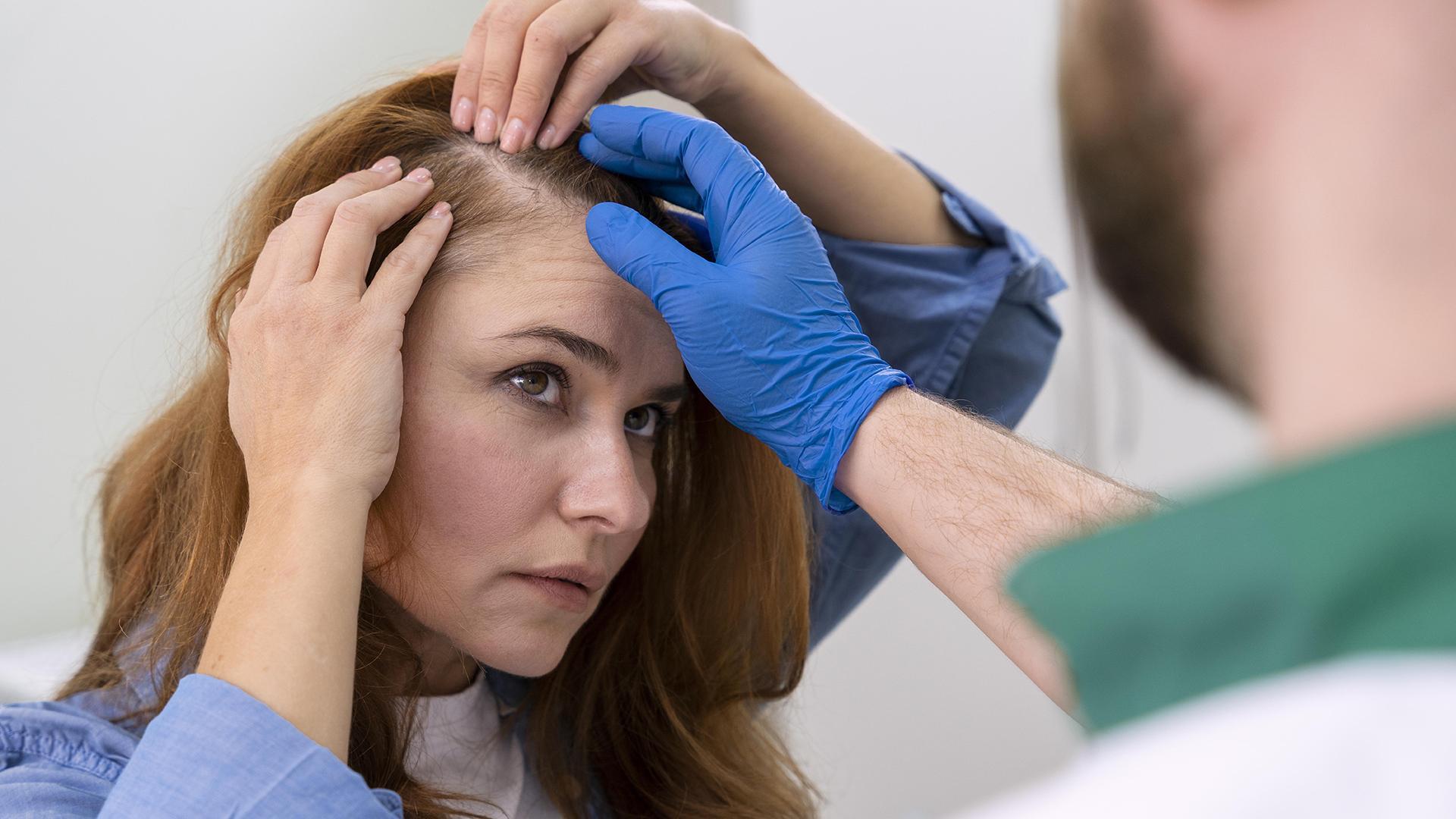
Hair loss can affect confidence, appearance, and personal well-being. Whether you are experiencing a receding hairline, thinning hair, or bald patches, choosing the right clinic is an important step toward understanding your treatment options. However, not every clinic offers the same level of expertise, consultation, surgical planning, or follow-up care. The right choice depends on your hair loss pattern, donor hair availability, expectations, and long-term goals.
For patients exploring Hair transplant Surgery in Islamabad, understanding what makes a clinic suitable can help them make a more informed decision. Rather than focusing only on promotional offers or advertised results, consider the medical team's qualifications, personalized treatment planning, patient safety, and realistic expectations.
Define Your Hair Restoration Goals
Before selecting a hair transplant clinic, identify what you want to improve. Different patients have different concerns, and a suitable treatment plan should reflect individual needs.
Your goals may include:
-
Restoring a receding hairline: Improving the appearance of the forehead and frontal hairline.
-
Increasing hair density: Addressing visible thinning in selected areas.
-
Covering bald patches: Improving coverage where sufficient donor hair is available.
-
Achieving natural-looking results: Creating a hairline that complements your facial features and age.
-
Planning for future hair loss: Considering how ongoing hair thinning could affect long-term results.
A qualified hair restoration professional should evaluate your scalp, medical history, pattern of hair loss, and expectations before recommending a procedure. Hair transplantation is not appropriate for everyone, and some patients may benefit from medical management or other approaches instead.
Evaluate the Surgeon's Qualifications and Experience
One of the most important factors when choosing a hair transplant clinic in Islamabad is the expertise of the medical professional responsible for your treatment.
Hair transplantation requires careful planning, technical skill, and an understanding of hair growth patterns. The surgeon's role should be clearly explained during your consultation.
Look for a clinic that provides:
-
Information about the surgeon's qualifications and relevant training.
-
Clear explanations of who performs each stage of the procedure.
-
An assessment of donor hair quality and scalp condition.
-
Honest discussions about possible complications and limitations.
-
Before-and-after photographs that represent comparable cases, where available.
Do not assume that a clinic's advertising claims automatically demonstrate medical expertise. Ask questions, verify qualifications, and make sure you understand who will be responsible for surgical decisions.
Compare Hair Transplant Techniques
Different hair restoration techniques may be suitable for different patients. Your choice should depend on clinical assessment rather than marketing claims.
Follicular Unit Extraction (FUE) involves removing individual follicular units from the donor area before placing them into recipient sites. It avoids the linear donor scar associated with conventional strip surgery, although small scars may remain.
Follicular Unit Transplantation (FUT) involves removing a strip of scalp from the donor area and separating it into follicular units for transplantation. It may be appropriate for selected patients but generally leaves a linear scar.
During your consultation, ask the clinic to explain:
-
Which technique is suitable for your hair loss pattern.
-
How donor hair will be managed.
-
The expected number of grafts and the reasoning behind that estimate.
-
Potential scarring, recovery time, and complications.
-
Whether non-surgical treatments should also be considered.
A trustworthy provider explains the advantages and limitations of each suitable option without promising guaranteed density or permanent protection against future hair loss.
Look for Personalized Hairline and Graft Planning
Natural-looking hair restoration depends on more than the number of grafts transplanted. Hairline design, graft direction, distribution, and donor area preservation all influence the overall appearance.
A clinic that matches your treatment goals should avoid using the same hairline design or graft estimate for every patient.
During the planning process, the medical team should consider:
-
Your age and facial proportions.
-
The direction and characteristics of existing hair.
-
The extent of hair loss and the condition of the donor area.
-
Your current expectations and possible future thinning.
-
The balance between coverage and available donor hair.
Be cautious of recommendations based solely on a high graft count. Using donor hair strategically is important because the supply is limited, and future hair loss may require additional planning.
Assess Consultation, Safety, and Aftercare
A professional consultation should give you a clear understanding of the procedure before you make a decision. It should include an appropriate scalp assessment, relevant medical history, discussion of medications, and an explanation of the risks and expected recovery.
Check whether the clinic provides written aftercare instructions and a clear process for follow-up appointments.
Important questions include:
-
Who should you contact if you experience unexpected symptoms?
-
How should you clean and protect your scalp after treatment?
-
When can you return to work, exercise, and normal activities?
-
How will progress be assessed during the following months?
-
What additional care might be needed if hair loss continues?
Transplanted hair typically develops gradually. Initial shedding can occur, and visible growth may take several months, with results continuing to mature over approximately 12 months or longer. Individual timelines vary, and a successful procedure cannot guarantee a particular cosmetic outcome.
Consider SKN Cosmetics in Islamabad
Patients researching hair restoration can consider SKN Cosmetics in Islamabad when exploring available treatment options and consultation services. Before proceeding, prospective patients should discuss their hair loss concerns, suitability for transplantation, expected outcomes, and the experience of the medical professional responsible for their procedure.
Use your consultation to understand the recommended technique, donor hair assessment, hairline design, safety precautions, and follow-up arrangements. Ask for clear explanations of the potential benefits, limitations, risks, and overall treatment plan. Comparing these details with other qualified providers can help you determine whether a clinic aligns with your individual goals.
The best clinic for you is one that prioritizes appropriate medical assessment, transparent communication, patient safety, and realistic expectations rather than making unsupported promises.
Make Your Decision Based on Long-Term Value
Choosing a clinic involves more than comparing treatment prices. A lower advertised cost may not reflect the full scope of medical assessment, surgical care, or follow-up services.
When comparing providers, evaluate the complete treatment experience, including the qualifications of the responsible clinician, the suitability of the proposed technique, hygiene standards, communication, and aftercare.
Before booking, make sure you understand the total expected cost, what the package includes, and whether additional appointments or treatments may involve separate charges.
Ultimately, choosing a hair transplant clinic should be a careful, informed decision. When your treatment goals are matched with qualified medical guidance, realistic planning, and appropriate follow-up, you are better prepared to make decisions about hair restoration that suit your needs.
Frequently Asked Questions
1. How do I choose the right hair transplant clinic in Islamabad?
Check the surgeon's qualifications, treatment planning, safety standards, patient results, and aftercare services.
2. Which hair transplant technique is best?
FUE and FUT may suit different patients. A qualified clinician can recommend an appropriate option after assessment.
3. How long does hair transplant growth take?
Visible growth often develops over several months, with results maturing around 12 months or longer.
4. Is everyone suitable for a hair transplant?
No. Suitability depends on the cause of hair loss, donor hair availability, scalp condition, and overall health.
5. What should I ask during a hair transplant consultation?
Ask about the surgeon's experience, graft estimate, technique, risks, recovery, expected results, and follow-up care.

 English
 French
 Spanish
 Portuguese
 Deutsch
 Turkish
 Dutch
 Italiano
 Russian
 Romaian
 Portuguese (Brazil)
 Greek