


Exosomes Hair Therapy In Islamabad: Can It Help With Thinning Hair?
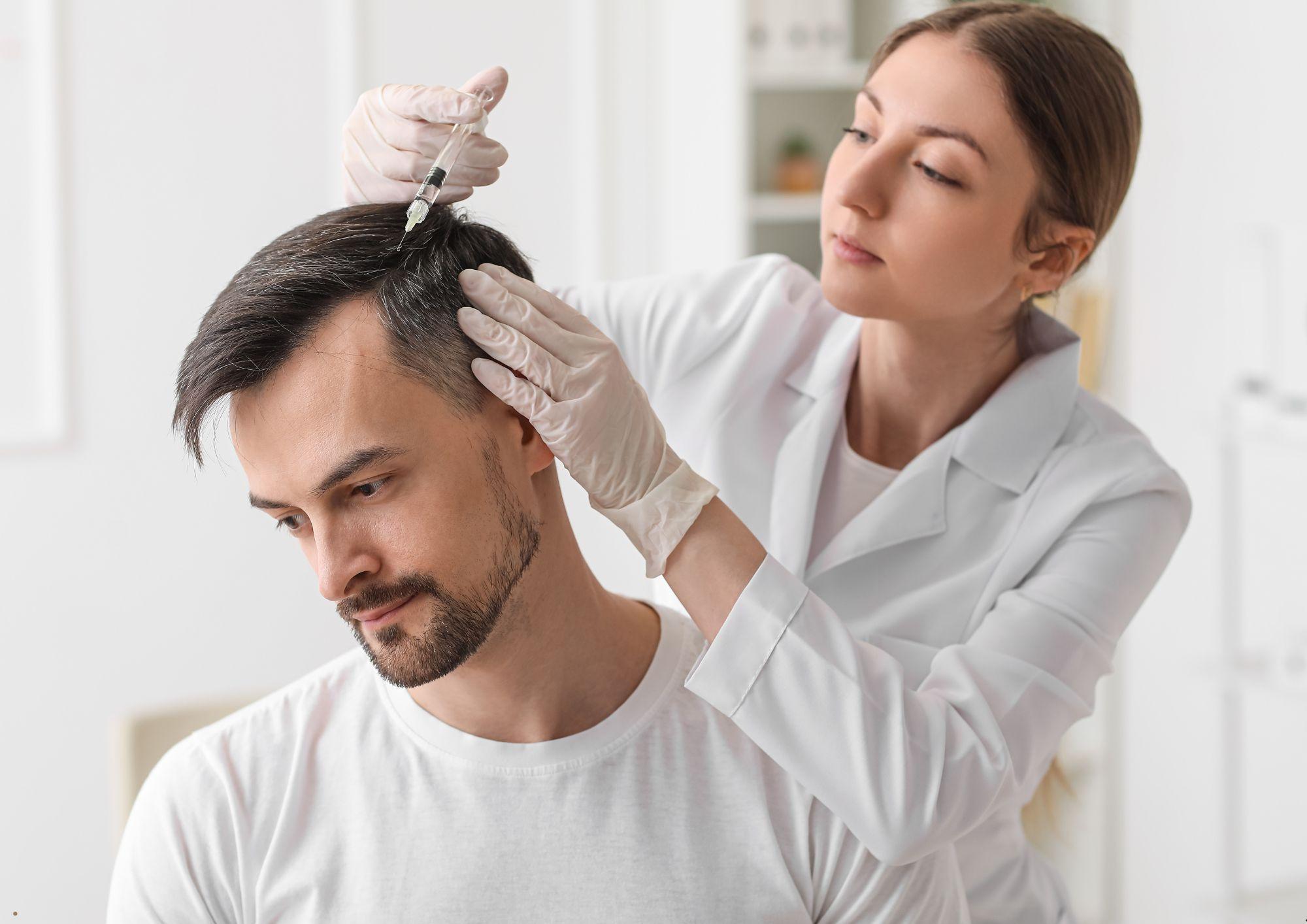
Thinning hair is a common concern for both men and women in Pakistan. Changes in hormones, genetics, stress, nutritional deficiencies, and ageing can contribute to gradual hair thinning and reduced hair density. As people look for modern, minimally invasive options, regenerative treatments such as exosome therapy have gained attention. Exosomes Hair Therapy In Islamabad is being explored as a potential treatment to support healthier-looking hair and improve scalp conditions associated with hair thinning.
What Is Exosome Hair Therapy?
Exosomes are tiny extracellular vesicles involved in cell-to-cell communication. They can contain proteins, growth factors, lipids, and other signaling molecules. In aesthetic and regenerative medicine, exosome-based products are being investigated for their potential role in supporting tissue repair and cellular activity.
For hair concerns, the treatment is generally designed to deliver an exosome-based preparation to the scalp. The goal is to support the scalp environment and potentially encourage the activity of hair follicles. However, research into exosome-based hair treatments is still developing, and results can vary between individuals and products.
How Can Exosomes Help With Thinning Hair?
Thinning hair often occurs when hair follicles gradually become weaker or produce finer strands. Exosome therapy is being studied because the signaling molecules associated with exosomes may influence processes involved in tissue regeneration and follicular activity.
Potential areas of interest include:
- Supporting the scalp's regenerative environment
- Encouraging healthier follicular activity
- Potentially improving hair thickness and density
- Supporting the condition of existing hair follicles
- Helping improve the overall appearance of thinning areas
It is important to understand that exosome therapy should not be presented as a guaranteed cure for hair loss. The underlying cause of thinning hair plays an important role in determining whether a person may benefit.
Who May Consider Exosome Hair Therapy?
People experiencing early or moderate thinning may discuss exosome therapy with a qualified medical professional. A consultation is particularly important because hair loss can have many causes.
A professional may assess factors such as family history, pattern of hair loss, scalp health, medications, nutrition, and hormonal factors. In some cases, additional evaluation or blood tests may be appropriate to identify an underlying issue.
Exosome therapy may be considered as part of a broader hair-restoration plan rather than as a replacement for every established hair-loss treatment.
What Happens During the Treatment?
The exact procedure depends on the product and treatment protocol used by the provider. Generally, the scalp is examined and prepared before the exosome-based preparation is applied or delivered to the targeted areas.
Some protocols may involve microneedling or other methods to facilitate delivery. The treatment is usually performed as an outpatient procedure, meaning patients can generally return home afterward.
Patients should follow the provider's instructions regarding scalp care, washing, exercise, and the use of hair products after treatment.
Benefits of Exosome Hair Therapy
One reason regenerative hair treatments are attracting attention is their minimally invasive nature. Depending on the treatment approach, patients may experience little disruption to their daily routine.
Potential benefits may include:
- A non-surgical approach to addressing hair thinning
- Targeted treatment of areas with reduced density
- Support for existing hair follicles
- Potential improvement in hair appearance over time
- Compatibility with broader hair-care or hair-restoration strategies
Results are not usually immediate. Hair grows through natural cycles, so any improvement may take time to become noticeable.
Are There Any Side Effects?
Exosome-based scalp treatments may cause temporary effects such as redness, mild swelling, tenderness, itching, or discomfort, depending on how the treatment is administered. The risks can also vary according to the specific product and technique.
Because exosome products and protocols can differ significantly, patients should ask about the source, composition, regulatory status, and safety information of the product being offered. A qualified healthcare professional should determine whether the treatment is appropriate.
How Long Does It Take to See Results?
Hair growth is gradual, so patients should have realistic expectations. Some people may notice changes in hair texture or shedding before seeing a visible improvement in density, while others may experience limited results.
The timeline can depend on the cause and severity of hair loss, age, general health, scalp condition, and treatment protocol. Follow-up appointments can help assess progress and determine whether additional treatment is appropriate.
Frequently Asked Questions
Is exosome therapy suitable for all types of hair loss?
No. Hair loss has different causes, and exosome therapy may not be appropriate for everyone. A professional assessment can help identify the underlying cause and suitable treatment options.
Can exosome therapy regrow completely lost hair?
Exosome therapy should not be considered a guaranteed method for regrowing completely lost hair. Its potential benefits are mainly being investigated in relation to supporting existing follicles and the scalp environment.
Is exosome hair therapy painful?
Discomfort depends on the method used to deliver the treatment. Some patients may experience mild tenderness or sensitivity afterward, but the exact experience varies.
How many sessions are required?
The number of sessions depends on the individual's hair condition and the treatment protocol. A qualified provider can recommend a schedule after evaluating the scalp and pattern of hair loss.
Are the results permanent?
Results cannot be guaranteed to be permanent. Hair loss may continue because of genetics, hormones, ageing, or other underlying factors, so ongoing management may be necessary.
Final Thoughts
Thinning hair can affect confidence, but modern regenerative approaches are creating additional options for people seeking non-surgical hair treatments. Exosome therapy is a developing area of hair restoration research, and its potential to support existing follicles and improve hair density continues to be studied. Anyone considering Exosomes Hair Therapy In Islamabad should first receive a professional assessment, understand the expected benefits and limitations, and choose a qualified provider using appropriate products and treatment protocols.

 English
 French
 Spanish
 Portuguese
 Deutsch
 Turkish
 Dutch
Dutch
 Italiano
 Russian
 Romaian
 Portuguese (Brazil)
 Greek
Greek