


Anti-Müllerian Hormone Test Procedure: What to Expect
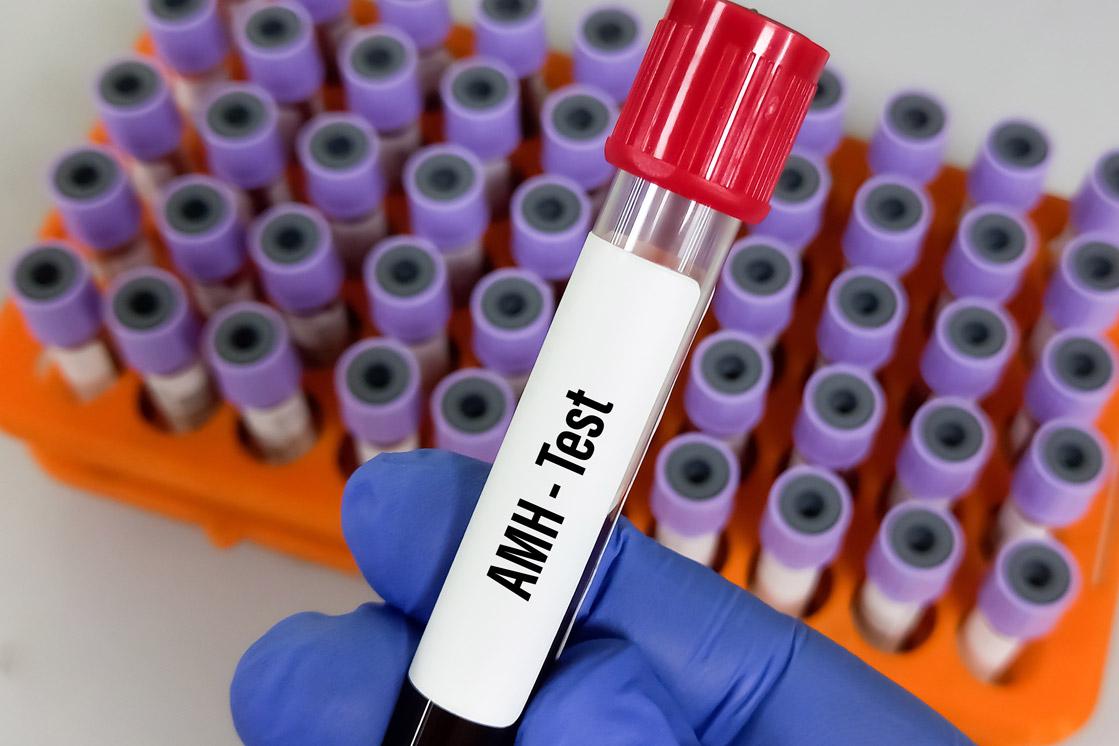
If your healthcare professional has recommended an Anti-Müllerian Hormone (AMH) test, you may be wondering how the procedure works, whether it is painful, and what happens after the blood sample is collected. Whether you are planning a pregnancy, exploring fertility concerns, or preparing for IVF treatment, understanding the process can help you approach your appointment with confidence.
The Anti-Müllerian Hormone Test in Dubai is a simple blood test that measures the level of anti-Müllerian hormone in your bloodstream. It provides information about ovarian reserve, which refers to the pool of small developing follicles in the ovaries. Fertility specialists may use this information to help plan fertility treatment, assess ovarian response to medication, or investigate selected reproductive health concerns.
Although the procedure itself is straightforward, understanding its purpose, preparation requirements, and limitations is important for interpreting the results correctly.
This guide walks you through each stage of the AMH test procedure, from booking your appointment to discussing your laboratory report with your healthcare professional.
What Is an AMH Test, and Why Is It Performed?
Anti-Müllerian hormone is produced by granulosa cells surrounding small, developing ovarian follicles. Because AMH levels are associated with the number of these follicles, measuring the hormone can help estimate ovarian reserve.
Unlike some reproductive hormones, AMH generally fluctuates less during the menstrual cycle. This makes it possible to perform the test on most days of the month.
A doctor may recommend an AMH blood test for several reasons, including:
-
Assessing ovarian reserve during a fertility evaluation.
-
Estimating the likely response to fertility medications before IVF.
-
Supporting decisions about egg freezing or fertility preservation.
-
Investigating certain reproductive health concerns.
-
Contributing to the assessment of possible polycystic ovary syndrome (PCOS) when clinically appropriate.
It is important to understand that the AMH test measures a hormone associated with developing follicles. It does not count every remaining egg, directly measure egg quality, or determine whether natural pregnancy is possible.
The AMH Test Procedure: From Appointment to Results:
The testing process usually involves a routine blood draw followed by laboratory analysis. Here is what you can expect at each stage.
Step 1: Consultation and Medical History
Before the test, your healthcare professional may ask about your menstrual cycle, reproductive goals, previous fertility investigations, and relevant medical conditions.
You may also be asked about hormonal contraception, fertility medications, ovarian surgery, or treatments that could affect ovarian function.
This information helps the clinician determine why the test is needed and how the result should be interpreted.
For example, an AMH test performed before IVF may be used to estimate ovarian response to stimulation medication. The same test ordered during a broader fertility assessment may serve a different purpose.
If you have previous AMH reports or ovarian ultrasound results, bring them to your appointment if possible.
Step 2: Preparing for the Blood Test
Most people do not need extensive preparation before an AMH test.
Fasting is usually unnecessary when AMH is the only test being performed. You can generally eat and drink as usual unless your healthcare professional or laboratory provides different instructions.
The test can also generally be performed on any day of the menstrual cycle. You do not usually need to wait until your period begins or schedule the blood draw around ovulation.
However, other tests ordered at the same appointment may have specific preparation or timing requirements.
Do not stop taking prescription medication, hormonal contraception, or fertility treatment without medical advice. Instead, tell your clinician what you use so they can account for relevant factors when interpreting your result.
Step 3: Blood Sample Collection
The AMH test is performed using a blood sample, typically collected from a vein in your arm.
A trained healthcare professional will usually:
-
Ask you to sit comfortably and expose your arm.
-
Apply a tourniquet if needed to make the vein easier to locate.
-
Clean the skin at the collection site.
-
Insert a small needle and collect blood into a sample tube.
-
Remove the needle and apply pressure to the site.
The blood draw itself usually takes only a few minutes.
You may feel a brief pinch when the needle enters your skin. Some people experience mild soreness or develop a small bruise afterward, but significant complications are uncommon.
If you feel faint during blood draws or are anxious about needles, tell the person collecting your sample. They can help you remain comfortable and safe during the procedure.
Step 4: Laboratory Testing
After collection, the sample is sent to a laboratory where the AMH concentration is measured using a validated testing method.
The result is usually reported in nanograms per milliliter (ng/mL) or picomoles per liter (pmol/L).
Different laboratories may use different analytical methods and reference intervals. For this reason, it is important to review the result with the laboratory's information rather than comparing your number with an unrelated online chart.
The time required to receive the report varies by laboratory. Your clinic can tell you when the results are expected and how they will be communicated.
Step 5: Reviewing Your AMH Report
Receiving the result is only one part of the process. The next step is understanding what it means for your individual circumstances.
Your healthcare professional may consider your AMH level alongside your age, medical history, reproductive goals, and other findings.
An ultrasound assessment of antral follicle count may also be useful. This test estimates the number of small follicles visible in the ovaries and can complement the information provided by AMH.
The goal is to understand ovarian reserve in context, not to make important reproductive decisions based on a single laboratory value.
Is the AMH Blood Test Painful or Risky?
For most people, the AMH test is a low-risk procedure similar to other routine blood tests.
Possible temporary effects include:
-
Mild pain when the needle is inserted.
-
Slight tenderness around the collection site.
-
Minor bruising.
-
Occasional lightheadedness.
Serious complications are rare. If bleeding continues, swelling increases significantly, or you experience symptoms that concern you after the blood draw, contact a healthcare professional.
There is no surgical procedure involved, and the test itself does not affect ovarian function or reduce the number of eggs in your ovaries.
How to Understand Low, Normal, and High AMH Results?
AMH results are interpreted according to the laboratory's reference information, your age, and the reason for testing. There is no single cutoff that predicts fertility accurately for everyone.
| Result pattern | What it may suggest | What it does not mean |
|---|---|---|
| Low AMH | A smaller pool of small developing follicles or reduced ovarian reserve | Natural pregnancy is impossible |
| Within the expected range | Ovarian reserve consistent with the laboratory's reference information | Fertility is guaranteed |
| High AMH | A larger pool of small follicles; sometimes associated with PCOS | Egg quality or natural fertility is necessarily better |
What Does a Low AMH Result Mean?
A lower AMH level may suggest diminished ovarian reserve. In fertility treatment, it may help predict a lower response to ovarian stimulation and a potentially smaller number of eggs retrieved.
However, low AMH does not automatically mean infertility. Some people with low levels conceive naturally, and AMH does not directly measure the quality of individual eggs.
Your age and other fertility findings remain essential when discussing reproductive options.
What Does a High AMH Result Mean?
Higher AMH levels may indicate a larger number of small developing follicles. In IVF treatment, this can help clinicians anticipate a stronger response to stimulation medication and assess the risk of ovarian hyperstimulation syndrome (OHSS).
High AMH is also associated with PCOS in some individuals, but it cannot diagnose the condition on its own.
Can a Normal Result Guarantee Pregnancy?
No. A result within the expected range does not guarantee conception or rule out infertility.
Fertility also depends on ovulation, fallopian tube function, uterine health, sperm health, age, and other medical factors that an AMH test does not assess.
How AMH Testing Supports Fertility Treatment?
One of the most important clinical uses of AMH testing is planning assisted reproductive treatment.
Before IVF, the result can help estimate how the ovaries may respond to stimulation medications. A clinician can use this information alongside antral follicle count and other factors to individualize treatment and monitoring.
For people considering egg freezing, AMH can help estimate ovarian response and inform discussions about the potential number of eggs collected. However, age at the time of egg freezing remains especially important when considering future reproductive outcomes.
AMH can also contribute to an infertility evaluation, but it does not identify every cause of difficulty conceiving. Depending on your circumstances, your clinician may recommend ovulation testing, assessment of the fallopian tubes, semen analysis, or other investigations.
The appropriate testing plan depends on the clinical question being addressed.
Common Mistakes to Avoid When Getting an AMH Test:
A few misunderstandings can make the testing process more confusing than necessary.
Assuming you must fast: Fasting is usually not needed for AMH alone, although other tests may require it.
Waiting for a particular menstrual cycle day: AMH can generally be measured at any point in the cycle.
Stopping medication without advice: Hormonal contraception and other treatments should be discussed with your clinician rather than stopped independently.
Comparing your result with random online ranges: Laboratory methods, age, and clinical circumstances affect interpretation.
Treating AMH as a fertility prediction: The test estimates ovarian reserve and helps predict response to fertility medication, but it cannot guarantee natural conception or future pregnancy.
Understanding these points can help you avoid unnecessary anxiety and make better use of the information provided by your healthcare professional.
Frequently Asked Questions About the AMH Test Procedure:
How long does the AMH test take?
The blood collection usually takes a few minutes. The time required to receive the laboratory report depends on the testing facility.
Can I take the AMH test during my period?
Yes. AMH testing can generally be performed during menstruation or on another day of your cycle, unless your clinician has coordinated it with other tests that require specific timing.
Do I need to fast before an AMH blood test?
Usually not, if AMH is the only test being performed. Follow any instructions from your laboratory if additional tests are ordered.
Does the AMH test measure egg quality?
No. It estimates ovarian reserve through a hormone associated with small developing follicles. Age is a more important general indicator of egg quality.
Should I repeat the test if my AMH is low?
Not necessarily. Repeat testing may be appropriate in selected circumstances, but your healthcare professional should determine whether it would provide useful additional information.
Final Thoughts: Know What to Expect Before Your AMH Test
The Anti-Müllerian Hormone Lab tests procedure is simple, generally quick, and usually requires little preparation. A healthcare professional collects a blood sample, the laboratory measures AMH, and your clinician interprets the result in the context of your reproductive health.
The test can provide useful information about ovarian reserve and help guide decisions about IVF, egg freezing, and selected fertility evaluations. However, it cannot directly measure egg quality, guarantee pregnancy, or predict exactly when menopause will occur.
Before your appointment, confirm any laboratory instructions, share relevant medication information, and prepare questions about how the results may influence your care. An informed discussion with a qualified healthcare professional is the best way to understand what your AMH result means for your individual situation.
 French
 English
 Arabic
 Spanish
 Portuguese
 Deutsch
 Turkish
 Dutch
 Italiano
 Russian
 Romaian
 Portuguese (Brazil)
 Greek