When a loved one requires long-term breathing support, families need proper preparation, knowledge, and confidence to provide safe and effective assistance. Ventilator Care At Home In Dubai allows patients with respiratory conditions to receive essential medical support while staying in a comfortable and familiar environment. However, successful home ventilator management requires careful planning, suitable equipment, and guidance from healthcare professionals. Support from services such as Doctor at Home can help families understand patient needs, manage care routines, and ensure that respiratory support is provided safely and efficiently.
Understanding the Basics of Home Ventilator Care:
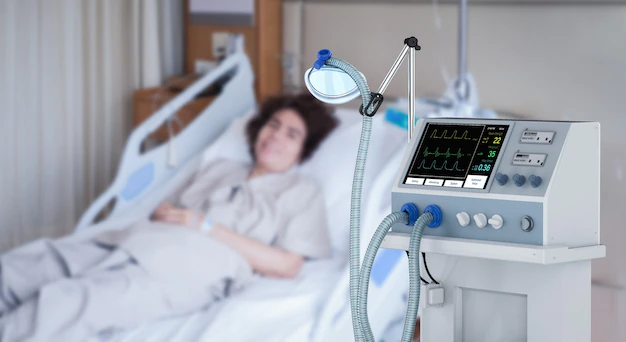
Before starting ventilator care at home, families should understand how ventilators work and why the patient requires respiratory assistance. A ventilator is a medical device that helps individuals breathe when their lungs or respiratory muscles cannot function effectively on their own. Learning the purpose of the machine, its settings, and daily care requirements helps caregivers provide better support.
Families should become familiar with:
- The function of the ventilator
- Different equipment components
- Patient breathing requirements
- Safety procedures
- Common signs of potential complications
Having a clear understanding of ventilator care reduces anxiety and allows family members to respond confidently to daily challenges.
Creating a Safe Home Environment for Ventilator Support:
Preparing the home environment is one of the first steps in successful ventilator care. The patient’s care area should be organized to provide comfort, accessibility, and safety. A suitable setup allows caregivers to manage equipment easily while ensuring that the patient receives uninterrupted respiratory support.
Important home preparation steps include:
- Choosing a clean and comfortable room for care
- Ensuring access to electrical outlets
- Keeping emergency supplies nearby
- Maintaining proper room ventilation
- Reducing dust, smoke, and environmental irritants
Families should arrange the space before the patient begins home ventilator use. A well-prepared environment improves efficiency and reduces unnecessary stress during daily care activities.
Learning How to Operate Ventilator Equipment:
Proper training is essential for family members who will assist with ventilator care. Caregivers should receive instructions from healthcare professionals on how to operate the ventilator, manage accessories, and respond to basic issues. Understanding the equipment allows families to provide safer support and avoid mistakes.
Caregivers should learn:
- How to turn the ventilator on and off safely
- How to check connections and tubing
- How to respond to alarms
- How to clean equipment properly
- When to contact healthcare providers
Confidence with ventilator equipment helps caregivers handle routine situations and improves patient safety at home.
Maintaining Hygiene and Preventing Infections:
Infection prevention is a major part of home ventilator management. Since ventilator users may have increased vulnerability to respiratory infections, families must follow strict hygiene practices. Proper cleaning routines help protect the patient and maintain the effectiveness of the equipment.
Essential hygiene practices include:
- Washing hands before handling ventilator parts
- Cleaning masks and tubing according to instructions
- Replacing disposable supplies when required
- Keeping the patient’s surroundings clean
- Avoiding exposure to infections
Consistent hygiene reduces health risks and supports better respiratory outcomes for patients receiving long-term ventilation.
Preparing an Emergency Response Plan:
Families should always have a clear emergency plan before beginning ventilator care at home. While proper care reduces risks, unexpected situations can still occur. Being prepared allows caregivers to respond quickly and appropriately during urgent moments.
An emergency plan should include:
- Important healthcare contact numbers
- Knowledge of ventilator alarm meanings
- Backup power arrangements
- Emergency medical supplies
- Instructions for handling equipment problems
Caregivers should regularly review emergency procedures to ensure they remain prepared. Quick action during emergencies can help protect the patient’s health and safety.
Monitoring Patient Health and Daily Progress:
Regular monitoring helps families understand how well the patient is responding to ventilator support. Caregivers should observe changes in breathing, comfort, and overall health condition. Keeping track of daily observations can provide valuable information for healthcare professionals.
Families should monitor:
- Breathing patterns
- Oxygen levels when advised
- Patient comfort
- Sleep quality
- Changes in symptoms
Maintaining a health record can help identify trends and support better medical decisions. Continuous observation ensures that any concerns are addressed at the right time.
Supporting Emotional and Mental Well-Being:
Ventilator care affects not only physical health but also emotional well-being. Patients may experience stress, frustration, or anxiety due to dependence on respiratory equipment. Families play an important role in providing emotional support and creating a positive care environment.
Emotional support can include:
- Encouraging patient independence when possible
- Maintaining regular communication
- Providing reassurance and comfort
- Supporting daily activities
- Helping patients maintain social connections
A supportive family environment can improve confidence and help patients adjust to life with ventilator assistance.
Managing Daily Care Responsibilities:
Home ventilator care requires organization and teamwork among family members. Sharing responsibilities can prevent caregiver exhaustion and ensure that the patient receives consistent attention. Families should create a structured routine that includes medical care, equipment maintenance, and personal support.
Daily care planning may include:
- Scheduling equipment checks
- Managing medication routines
- Tracking appointments
- Organizing medical supplies
- Coordinating caregiver responsibilities
A well-planned routine makes home care more manageable and reduces stress for everyone involved.
Staying Connected With Healthcare Professionals:
Regular communication with healthcare providers is essential for effective ventilator management. Medical professionals can evaluate the patient’s condition, provide recommendations, and help families handle changes in care requirements. Ongoing support ensures that home ventilator care remains safe and appropriate.
Healthcare support may include:
- Routine medical evaluations
- Ventilator setting reviews
- Caregiver education
- Respiratory assessments
- Guidance during health changes
Professional involvement gives families additional confidence and helps maintain high standards of patient care.
Preparing for Long-Term Ventilator Care Needs:
Families should recognize that ventilator care at home may require long-term planning. As the patient’s condition changes, care routines, equipment needs, and support requirements may also change. Preparing for the future helps families adapt more effectively.
Long-term preparation involves:
- Reviewing care plans regularly
- Updating emergency procedures
- Maintaining equipment supplies
- Learning new care techniques
- Adjusting support based on patient needs
A flexible approach allows families to continue providing effective care while responding to changing circumstances.
Final Thoughts:
Preparing for ventilator care at home requires knowledge, organization, and commitment from family members. By understanding equipment operation, creating a safe environment, maintaining hygiene, monitoring patient health, and staying connected with healthcare professionals, families can provide better support for their loved ones. With proper preparation and reliable medical guidance, home ventilator care can help patients experience greater comfort, safety, and improved quality of life while receiving essential respiratory assistance in a familiar setting.



 Turkish
 English
 Arabic
 French
 Spanish
 Portuguese
 Deutsch
 Dutch
Dutch
 Italiano
 Russian
 Romaian
 Portuguese (Brazil)
 Greek
Greek