


Which Ingredients Are Best for Dark Circles Under the Eyes?
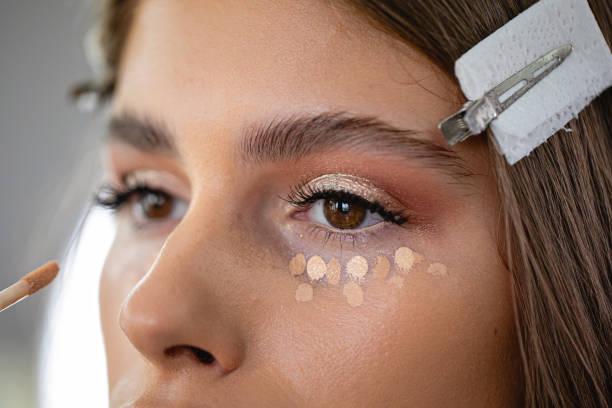
Dark circles under the eyes can make the face appear tired, dull, or less refreshed, even after a good night's sleep. They may develop due to pigmentation, thin skin, visible blood vessels, allergies, or natural changes in facial structure. Choosing skincare products with suitable active ingredients can help improve some types of under-eye discoloration and support healthier-looking skin. When exploring Dark Circles Treatment in Riyadh, understanding how ingredients work can help you choose products that match your skin's needs. However, results depend on the underlying cause, and skincare alone may not correct every type of dark circle.
What Causes Dark Circles Under the Eyes?
Dark circles do not have a single cause, which is why the same skincare ingredient may work well for one person but provide limited improvement for another.
Pigmentation and Sun Exposure
Excess melanin can cause brown discoloration beneath the eyes. Genetics, sun exposure, inflammation, and repeated eye rubbing may contribute to uneven pigmentation. Ingredients that target discoloration may gradually improve the appearance of affected skin.
Thin Skin and Visible Blood Vessels
The under-eye area has naturally delicate skin. When it is thin, blood vessels beneath the surface may become more visible, producing a blue, purple, or reddish appearance. Moisturizers may improve hydration, but they cannot reliably eliminate visible blood vessels.
Puffiness and Under-Eye Hollows
Fluid retention can cause temporary puffiness, while natural facial anatomy or age-related volume changes can create hollows and shadows. Some ingredients may temporarily reduce puffiness or soften the appearance of fine lines, but topical products cannot restore significant lost volume.
Which Ingredients Are Best for Dark Circles?
The best ingredient depends on whether the concern is pigmentation, dryness, puffiness, or another skin-related issue. For people considering Dark Circles Treatment in Riyadh, the following ingredients are commonly used in skincare products formulated for the under-eye area.
Vitamin C for Uneven Pigmentation
Vitamin C is an antioxidant that helps protect the skin from environmental stress and may support a brighter, more even-looking complexion. Certain formulations may help reduce the appearance of pigmentation over time.
Choose a product specifically formulated for the eye area, as some vitamin C products can cause irritation. Introduce it gradually and discontinue use if persistent redness or burning develops.
Niacinamide for Skin Tone and Barrier Support
Niacinamide, also known as vitamin B3, supports the skin barrier and helps maintain moisture. It may also help improve the appearance of uneven pigmentation, making it a useful ingredient for some people with brown under-eye discoloration.
Products containing niacinamide are often suitable for a range of skin types, although individual sensitivity can vary. Consistent use is important, and improvement may take several weeks.
Caffeine for Temporary Puffiness
Caffeine is frequently included in eye creams and serums designed to reduce the appearance of puffiness. It can temporarily influence blood vessels and help the under-eye area look more refreshed.
Caffeine is generally more useful for temporary swelling than for persistent brown pigmentation or deep hollows. Its results may also be limited when puffiness is caused by an underlying medical condition.
Hyaluronic Acid for Hydration
Hyaluronic acid attracts and retains moisture, helping the skin appear smoother and more supple. It may soften the appearance of fine lines caused by dryness and improve the overall look of the under-eye area.
Although it can make dehydrated skin look healthier, hyaluronic acid does not directly remove pigmentation or correct structural hollows.
Retinol for Fine Lines and Skin Texture
Retinol is a vitamin A derivative that may support collagen production and improve the appearance of fine lines and skin texture over time. It may be considered when age-related skin changes contribute to the appearance of the under-eye area.
The skin around the eyes is sensitive, so choose a product formulated specifically for this region and follow professional guidance. Retinol may cause dryness, redness, or irritation and should generally be avoided during pregnancy unless a qualified healthcare professional advises otherwise.
Ceramides for Skin Barrier Protection
Ceramides are lipids that help maintain the skin's protective barrier and reduce moisture loss. They can be especially useful for dry or sensitive under-eye skin, helping it remain comfortable and hydrated.
Ceramides do not directly treat pigmentation, but a healthy skin barrier can make it easier to tolerate an appropriate skincare routine without unnecessary irritation.
How to Choose the Right Ingredient for Your Skin
Selecting an ingredient based on the main cause of your dark circles can make your routine more effective. Using several strong active ingredients at once may irritate the under-eye area and potentially make discoloration more noticeable.
-
For brown pigmentation: Consider suitable vitamin C or niacinamide products and consistent sun protection.
-
For puffiness: A caffeine-based eye product may provide temporary improvement.
-
For dryness and fine lines: Hyaluronic acid and ceramide-based moisturizers can support hydration.
-
For age-related texture changes: A carefully selected retinol product may help, if appropriate for your skin.
-
For blue or purple discoloration: Seek an assessment, as visible blood vessels or thin skin may be contributing factors.
When choosing Dark Circles Treatment in Riyadh, a dermatologist or qualified practitioner can help identify the likely cause and recommend suitable skincare or other options.
How to Use Under-Eye Skincare Safely
A simple routine is often better than layering numerous active ingredients. In the morning, gently cleanse your face, apply a suitable moisturizer, and use broad-spectrum sunscreen as directed. In the evening, cleanse gently and apply an eye-area moisturizer or a targeted product that suits your skin.
Introduce one new active ingredient at a time and follow its product instructions. Avoid applying products too close to the eyes or using harsh exfoliants on delicate skin. If irritation develops, stop using the product and seek professional advice if symptoms persist. Managing allergies, avoiding eye rubbing, and getting sufficient sleep may also help improve the appearance of dark circles.
When Are Professional Treatments Worth Considering?
Skincare ingredients may help with mild pigmentation, dryness, and certain fine lines, but they cannot address every underlying cause. Genetic discoloration, prominent blood vessels, and shadows caused by under-eye hollows may require a different approach.
If dark circles remain noticeable despite consistent skincare, a professional assessment can help distinguish pigmentation from structural shadowing or other causes. Depending on your needs, options may include prescription skincare or selected procedures, provided they are appropriate for your skin type and medical history. No treatment can guarantee complete removal.
Book a Consultation at Royal Clinic Saudia
If you are unsure which ingredients suit your under-eye concerns, Royal Clinic Saudia can help you explore appropriate skincare and treatment options. A personalized consultation can help identify the likely cause of your dark circles and guide you toward a suitable plan. Contact Royal Clinic Saudia to discuss your options for achieving a healthier, more refreshed-looking under-eye area.
FAQs:
Which ingredient works fastest for dark circles?
Hydrating ingredients such as hyaluronic acid may quickly improve the appearance of dryness, while caffeine may temporarily reduce puffiness. Ingredients targeting pigmentation usually require consistent use over several weeks or longer.
Can vitamin C remove dark circles permanently?
Vitamin C may help improve certain types of pigmentation, but it cannot permanently remove every cause of dark circles. Genetics, visible blood vessels, and under-eye hollows may need different approaches.
Is niacinamide safe for the skin under the eyes?
Niacinamide is generally well tolerated, but sensitivity varies. Choose a product suitable for the eye area, introduce it gradually, and stop using it if irritation develops.
Can I use retinol and vitamin C together for dark circles?
They may be included in the same overall skincare routine, but using both near the eyes can increase the risk of irritation. Introduce products gradually, follow their instructions, and seek professional advice if you have sensitive skin or are unsure how to combine them.
 English
 Arabic
 French
 Spanish
 Portuguese
 Deutsch
 Turkish
 Dutch
 Italiano
 Russian
 Romaian
 Portuguese (Brazil)
 Greek