


Office Interior Design Mistakes to Avoid: Important Factors to Keep in Mind
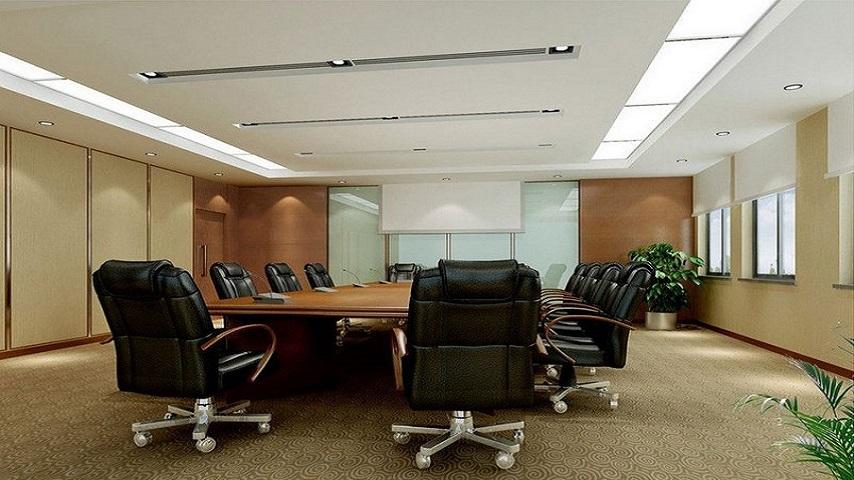
A well-designed office is more than just an attractive workspace. It plays a vital role in employee productivity, collaboration, comfort, and overall business performance. While many organizations invest heavily in office interiors, certain design mistakes can negatively impact functionality, employee satisfaction, and operational efficiency.
Successful office interior design requires careful planning, a clear understanding of workplace needs, and attention to both aesthetics and practicality. By recognizing common mistakes and addressing them early, businesses can create work environments that support long-term growth and employee well-being.
Ignoring Employee Needs and Work Patterns
One of the most common office design mistakes is focusing solely on appearance while overlooking how employees actually use the space.
Every organization has unique workflows, communication styles, and operational requirements. Designing without understanding these factors can result in spaces that look impressive but fail to support daily activities.
Before finalizing a design, consider:
- Team collaboration requirements
- Individual work preferences
- Department-specific needs
- Future workforce growth
- Hybrid work arrangements
A people-centered approach leads to more effective and functional office environments.
Poor Space Planning
Inefficient space planning can create numerous challenges, including overcrowding, wasted areas, and restricted movement.
Common space planning issues include:
- Narrow walkways
- Inadequate meeting spaces
- Overcrowded workstations
- Insufficient storage
- Poor circulation patterns
A thoughtfully planned layout ensures that employees can move comfortably while maximizing the use of available space.
Overlooking Flexibility
Workplace requirements continue to evolve, and offices need to adapt accordingly. Designing rigid spaces without considering future changes can limit growth and increase renovation costs.
Modern offices should incorporate:
- Modular furniture
- Flexible meeting rooms
- Adaptable workstations
- Multi-purpose spaces
- Movable partitions
Flexible design solutions allow organizations to adjust their workspace as business needs change.
Excessive Open-Plan Layouts
Open offices can encourage communication, but relying entirely on open layouts can create distractions and reduce productivity.
Challenges of overly open spaces include:
- Noise disruptions
- Lack of privacy
- Difficulty concentrating
- Increased workplace stress
A balanced design should provide collaborative areas alongside quiet zones, private rooms, and focus spaces.
Insufficient Lighting Design
Lighting has a significant impact on employee comfort and productivity. Poorly planned lighting can cause eye strain, fatigue, and reduced concentration.
Common mistakes include:
- Overreliance on artificial lighting
- Uneven illumination
- Excessive glare
- Inadequate task lighting
A combination of natural daylight and well-designed artificial lighting creates a healthier and more comfortable workplace.
Neglecting Acoustic Comfort
Noise management is often overlooked during office design planning. Excessive noise can affect focus, communication, and employee satisfaction.
To improve acoustic performance, consider:
- Sound-absorbing materials
- Acoustic ceiling systems
- Private meeting rooms
- Carpeted flooring
- Noise-control partitions
Effective acoustic design contributes to a more productive work environment.
Choosing Aesthetics Over Functionality
While visually appealing interiors are important, prioritizing aesthetics at the expense of functionality can create long-term challenges.
Examples include:
- Stylish but uncomfortable furniture
- Decorative layouts that reduce efficiency
- Difficult-to-maintain finishes
- Inadequate storage solutions
Successful office design balances visual appeal with practical workplace requirements.
Ignoring Ergonomics
Employee comfort should never be compromised. Poor ergonomic planning can contribute to physical discomfort, reduced productivity, and workplace health concerns.
Important ergonomic considerations include:
- Adjustable chairs
- Proper desk heights
- Monitor positioning
- Adequate legroom
- Comfortable meeting furniture
Investing in ergonomic solutions supports employee well-being and workplace performance.
Lack of Collaboration Spaces
Modern workplaces rely heavily on teamwork and communication. Offices that focus exclusively on individual workstations may limit opportunities for collaboration.
Useful collaborative areas include:
- Informal discussion zones
- Meeting rooms
- Brainstorming spaces
- Breakout areas
- Team workstations
Providing dedicated collaboration spaces helps encourage creativity and innovation.
Failing to Incorporate Technology Requirements
Technology plays a central role in today's workplace. Designing an office without considering technological infrastructure can create operational challenges later.
Key considerations include:
- Power accessibility
- Network connectivity
- Video conferencing facilities
- Smart meeting room technology
- Charging stations
Integrating technology during the design phase improves functionality and future readiness.
Poor Storage Planning
Storage is often underestimated during office design projects. Insufficient storage can lead to cluttered workspaces and reduced efficiency.
Effective storage solutions may include:
- Built-in cabinets
- Mobile storage units
- Document management systems
- Shared storage areas
- Personal lockers
Proper storage planning helps maintain an organized and professional environment.
Ignoring Employee Well-Being
Modern office design should support both physical and mental well-being. Workspaces that fail to address employee comfort and wellness may experience lower engagement and satisfaction levels.
Wellness-focused design features can include:
- Natural light access
- Indoor plants
- Relaxation zones
- Wellness rooms
- Improved ventilation systems
Creating a healthier workplace contributes to a more positive employee experience.
Forgetting Brand Identity and Company Culture
An office should reflect the organization's values, culture, and brand personality. Generic designs often miss opportunities to strengthen employee engagement and create memorable experiences for visitors.
Consider incorporating:
- Brand colors and graphics
- Company storytelling elements
- Culture-focused gathering areas
- Customized design features
- Mission-driven visual elements
These details help reinforce organizational identity throughout the workspace.
Overlooking Sustainability
Sustainable office design is becoming increasingly important for businesses seeking to reduce environmental impact and operational costs.
Common sustainable solutions include:
- Energy-efficient lighting
- Environmentally friendly materials
- Water-saving fixtures
- Smart energy management systems
- Recycling and waste reduction programs
Sustainable choices support long-term business and environmental goals.
Conclusion
Office interior design has a direct impact on productivity, employee satisfaction, collaboration, and business success. Avoiding common mistakes such as poor space planning, inadequate lighting, lack of flexibility, insufficient technology integration, and neglecting employee well-being can significantly improve workplace performance.
By carefully considering both functional and aesthetic factors, businesses can create office environments that support efficiency, encourage innovation, and adapt to future growth. A thoughtful and strategic approach to office design ensures that the workplace remains a valuable asset for years to come.
Create a smarter and more stylish workspace with our Turnkey Office Interior Vadodara expertise.
From planning to final setup, we handle everything for a hassle-free office makeover!
 French
 English
 Arabic
 Spanish
 Portuguese
 Deutsch
 Turkish
 Dutch
Dutch
 Italiano
 Russian
 Romaian
 Portuguese (Brazil)
 Greek
Greek