

Why Alopecia Causes Hair Fall and What Care Methods Can Help
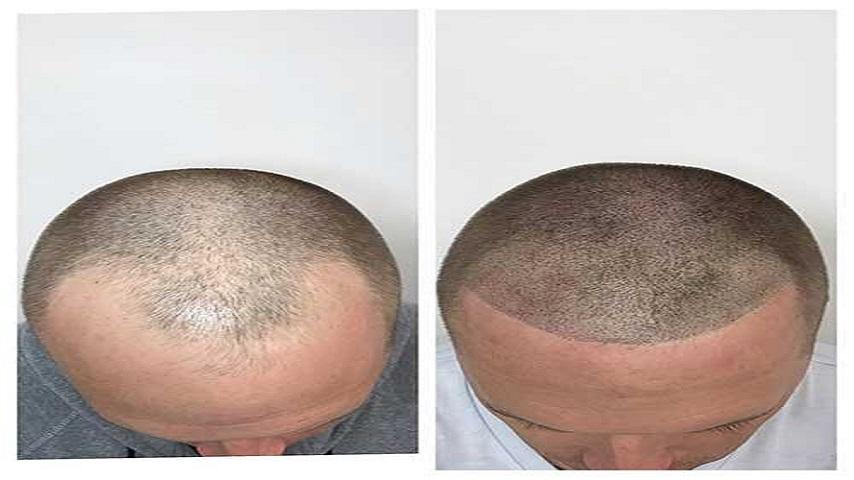
Hair fall is a common concern that affects people of all ages, but when hair loss becomes excessive or occurs in patches, it may be linked to a condition known as alopecia. Alopecia is more than just regular hair shedding—it is a condition that can disrupt the normal hair growth cycle and lead to noticeable thinning or bald patches on the scalp and other areas of the body.
For many individuals, alopecia can be emotionally challenging, affecting self-confidence and overall well-being. Understanding why alopecia causes hair fall and learning about effective care methods can help individuals manage the condition and support healthier hair growth.
What Is Alopecia?
Alopecia is a broad term used to describe hair loss that occurs due to various underlying factors. It can affect men, women, and even children. Depending on the type and severity, alopecia may cause gradual thinning, sudden shedding, or complete hair loss in specific areas.
The condition develops when the normal hair growth cycle is interrupted or when hair follicles become damaged, inactive, or targeted by the body's immune system.
While some forms of alopecia are temporary, others may require long-term management and professional treatment.
How Hair Normally Grows
To understand alopecia, it is important to know how the hair growth cycle works.
Hair follicles continuously move through three main phases:
Growth Phase (Anagen)
This is the active stage where hair grows continuously for several years.
Transition Phase (Catagen)
Hair growth slows, and the follicle begins preparing for the next stage.
Resting Phase (Telogen)
The hair eventually sheds, making way for new hair growth.
When alopecia develops, this natural cycle becomes disrupted, causing hair to fall out faster than it can be replaced.
Why Alopecia Causes Hair Fall
The reasons behind alopecia-related hair loss vary depending on the type of alopecia and the individual's health condition.
Autoimmune Reactions
One of the most common forms, Alopecia Areata, occurs when the immune system mistakenly attacks healthy hair follicles. This attack weakens follicular activity and causes hair to fall out, often in round or patchy areas.
Genetic Factors
Certain types of alopecia are hereditary. Pattern hair loss in men and women is often influenced by genetics and hormonal sensitivity, leading to progressive thinning over time.
Hormonal Changes
Hormonal imbalances can affect follicle function and shorten the hair growth phase. Conditions involving thyroid hormones, pregnancy, menopause, or other hormonal fluctuations may contribute to alopecia-related hair fall.
Stress and Emotional Factors
Physical and emotional stress can trigger excessive shedding and worsen existing hair loss conditions. Prolonged stress may push more follicles into the resting phase, resulting in noticeable hair fall.
Nutritional Deficiencies
Hair follicles require essential nutrients such as iron, zinc, protein, biotin, and vitamins to function properly. Deficiencies can weaken follicles and contribute to increased hair loss.
Scalp Health Issues
Inflammation, infections, dandruff, and other scalp disorders can create an unhealthy environment for hair follicles, affecting their ability to produce healthy hair.
Common Types of Alopecia
Alopecia Areata
This autoimmune condition typically causes sudden, round patches of hair loss on the scalp or body.
Androgenetic Alopecia
Commonly known as male or female pattern hair loss, this type develops gradually and is influenced by genetics and hormones.
Telogen Effluvium
This condition occurs when a large number of hair follicles enter the resting phase simultaneously, leading to increased shedding.
Traction Alopecia
Repeated tension from tight hairstyles can damage follicles and cause hair loss over time.
Scarring Alopecia
Certain inflammatory conditions can permanently damage hair follicles and replace them with scar tissue, making early treatment particularly important.
Signs That Alopecia May Be Affecting You
Hair loss patterns can vary depending on the type of alopecia. Common warning signs include:
- Excessive hair shedding
- Patchy bald spots
- Gradual thinning on the scalp
- Widening hair part
- Hair loss around the temples
- Reduced hair density
- Increased visibility of the scalp
- Changes in hair texture
Seeking professional evaluation early can help determine the cause and improve treatment outcomes.
Care Methods That Can Help Manage Alopecia
Although treatment approaches vary depending on the type and severity of alopecia, several care methods may help support hair and scalp health.
Maintain a Healthy Scalp
A clean and healthy scalp provides the foundation for optimal follicle function. Managing dandruff, inflammation, and scalp irritation can support healthier hair growth.
Follow a Balanced Diet
Nutrient-rich foods containing protein, iron, zinc, vitamins, and antioxidants help nourish hair follicles and support the hair growth cycle.
Manage Stress Effectively
Stress management techniques such as exercise, meditation, proper sleep, and relaxation practices may help reduce stress-related hair shedding.
Avoid Harsh Hair Practices
Excessive heat styling, chemical treatments, and tight hairstyles can place additional strain on weakened hair follicles.
Use Professional Hair Restoration Therapies
Modern trichology offers various treatment options that may help stimulate hair growth and improve follicular health. Depending on individual needs, these may include:
- Platelet-Rich Plasma (PRP) Therapy
- Low Level Laser Hair Therapy (LLLT)
- Scalp treatments
- Nutritional support programs
- Customized hair care plans
Seek Early Professional Guidance
Because alopecia can have multiple causes, professional assessment is essential. Early diagnosis often improves the chances of managing hair loss effectively and preserving existing hair.
The Importance of Personalized Treatment
No two cases of alopecia are exactly alike. The underlying cause, duration of hair loss, age, health status, and follicle condition all influence treatment recommendations.
A personalized treatment plan allows specialists to address the specific factors contributing to hair fall while supporting long-term scalp and hair health.
Conclusion
Alopecia is a condition that can significantly affect the hair growth cycle, leading to excessive shedding, thinning, or patchy hair loss. Whether caused by autoimmune activity, genetics, hormonal changes, stress, or nutritional deficiencies, alopecia requires proper understanding and timely care.
The good news is that various care methods can help support hair health, strengthen follicles, and improve scalp conditions. Maintaining a healthy lifestyle, managing scalp health, addressing nutritional needs, and seeking professional guidance are all important steps in managing alopecia effectively.
With early intervention and a personalized approach, many individuals can take positive steps toward healthier hair growth and improved confidence despite the challenges of alopecia.
Top Medical Hair Spa Specialist in Vadodara
 Italiano
 English
 Arabic
 French
 Spanish
 Portuguese
 Deutsch
 Turkish
 Dutch
Dutch
 Russian
 Romaian
 Portuguese (Brazil)
 Greek
Greek