


Dental Implants for Missing Teeth: Benefits, Procedure and Results
Introduction
Missing teeth can affect your smile, chewing ability, speech, and confidence. Whether you have lost a tooth because of decay, gum disease, an injury, or another dental problem, replacing it can help restore oral function and improve your quality of life. One of the most widely used options for replacing missing teeth is a dental implant.
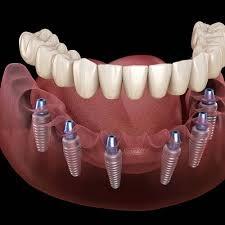
Dental implants are designed to replace missing tooth roots and support artificial teeth that look and function similarly to natural teeth. They can be used to replace a single tooth, several teeth, or even an entire arch when combined with suitable restorations.
For individuals consided resultring a Dental Implant in Islamabad, understanding the benefits, procedure, recovery period, and expectes is essential before choosing treatment. This guide explains how dental implants work, who may be a suitable candidate, and what patients should know before starting the process.
What Are Dental Implants?
Dental implants are small posts, commonly made from titanium, that are surgically placed into the jawbone to support replacement teeth. Some implant systems use other materials, such as zirconia, depending on the patient's needs and the dentist's recommendation.
After placement, the implant integrates with the surrounding bone through a process called osseointegration. Once sufficient healing has occurred, a dental restoration is attached to complete the replacement tooth.
A dental implant restoration usually includes three components:
-
Implant post: Acts as an artificial tooth root and provides support within the jawbone.
-
Abutment: Connects the implant post to the replacement tooth.
-
Dental crown: The visible portion designed to resemble a natural tooth.
For patients missing multiple teeth, implants may support a dental bridge or an implant-supported denture, depending on the treatment plan.
Benefits of Dental Implants for Missing Teeth
Dental implants offer several advantages compared with traditional tooth replacement options. Their suitability depends on oral health, bone support, medical history, and individual expectations.
1. Natural Appearance
Dental implant crowns are designed to match the colour, shape, and size of surrounding teeth. When carefully planned, they can blend naturally with your smile.
This can help patients feel more comfortable when smiling, speaking, and interacting with others.
2. Improved Chewing Ability
Missing teeth can make it difficult to bite and chew certain foods. Dental implants provide stable support for replacement teeth, allowing many patients to regain comfortable chewing function after healing.
Unlike removable dentures, a conventional implant-supported crown is fixed in place and does not need to be removed for daily cleaning.
3. Support for Jawbone Health
The jawbone naturally receives stimulation from tooth roots during chewing. When a tooth is lost, the surrounding bone may gradually shrink because this stimulation is reduced.
Dental implants transfer functional forces to the jawbone and can help preserve bone around the implant site. However, they cannot prevent all bone changes, and outcomes depend on several clinical factors.
4. Protection of Adjacent Teeth
A conventional dental bridge often requires the neighbouring teeth to be prepared to support the replacement tooth. A single dental implant can usually replace a missing tooth without preparing healthy adjacent teeth.
This makes implants an attractive option for eligible patients who want to preserve the structure of their natural teeth.
5. Long-Term Tooth Replacement
Dental implants can last many years when properly placed and maintained. Their longevity depends on oral hygiene, gum health, general health, smoking habits, and regular professional care.
The crown or other restoration attached to the implant may wear down or require repair or replacement over time.
Who Is a Good Candidate for Dental Implants?
Dental implants may be suitable for adults who have lost one or more teeth and want a stable replacement. However, a dental examination is necessary to determine whether implant treatment is appropriate.
You may be a suitable candidate if you have:
-
Healthy gums or successfully treated gum disease.
-
Sufficient jawbone to support an implant, or the possibility of bone grafting.
-
Good oral hygiene habits.
-
General health that supports healing.
-
Realistic expectations about treatment time and results.
Certain factors may increase the risk of complications, including uncontrolled diabetes, smoking, active gum disease, and some medications or medical conditions. These issues should be discussed with your dentist before treatment.
Patients with insufficient bone may still qualify for implants after additional procedures, but not every case can be treated successfully.
Dental Implant Procedure: Step-by-Step Guide
Dental implant treatment typically involves several stages. The exact sequence and timeline depend on the condition of the missing tooth site and the complexity of the case.
Step 1: Dental Consultation and Assessment
The first step is a comprehensive dental examination. Your dentist reviews your medical and dental history, evaluates your gums and remaining teeth, and assesses the available jawbone.
Dental X-rays or three-dimensional imaging may be recommended to evaluate bone volume and identify important anatomical structures.
During this appointment, discuss your treatment options, estimated costs, risks, and expected timeline.
Step 2: Treatment Planning
Your dentist develops a personalised plan based on the number of missing teeth, bone condition, bite, and desired restoration.
Some patients can receive an implant soon after tooth extraction, while others need to allow the area to heal first. Bone grafting or treatment for gum disease may also be necessary.
Step 3: Implant Placement
The implant post is placed into the jawbone during a surgical procedure, usually under local anaesthesia. Sedation may be available in suitable cases.
After placement, the gum tissue is managed according to the treatment plan. Some patients receive a temporary tooth, while others need to wait until the implant has integrated with the bone.
Step 4: Healing and Osseointegration
Over the following weeks or months, the implant gradually integrates with the jawbone. This healing process is important for long-term stability.
The healing period varies depending on the patient's health, bone quality, implant location, and whether additional procedures were performed.
Step 5: Attaching the Final Crown
Once the implant is sufficiently stable, the dentist attaches the abutment and final crown or another planned restoration.
The dentist checks the fit, appearance, bite, and comfort before completing treatment.
Dental Implant Recovery and Aftercare
Recovery varies from person to person. Mild swelling, bruising, tenderness, and minor bleeding can occur after implant surgery. These symptoms usually improve over several days, although the underlying bone healing process takes longer.
To support recovery:
-
Follow your dentist's written aftercare instructions.
-
Take prescribed or recommended medication as directed.
-
Eat soft foods initially and gradually return to your usual diet as advised.
-
Avoid smoking because it can impair healing.
-
Maintain careful oral hygiene without disturbing the surgical site.
-
Attend scheduled follow-up appointments.
Contact your dentist if pain or swelling worsens, bleeding persists, fever develops, or you notice discharge or unusual movement around the implant.
What Results Can You Expect from Dental Implants?
Dental implants can provide a stable, natural-looking replacement for missing teeth. Once healing is complete, many patients can speak and chew more comfortably and feel more confident about their smiles.
Expected results depend on several factors:
-
The location and number of missing teeth.
-
Jawbone quality and quantity.
-
The design and material of the final restoration.
-
The health of the gums and surrounding tissues.
-
The patient's oral hygiene and follow-up care.
Although dental implants have high success rates in appropriately selected patients, success is not guaranteed. Possible complications include infection, failure of bone integration, gum recession, nerve injury, and problems involving the implant or restoration.
Regular dental check-ups help identify problems early and support the long-term health of the implant.
Dental Implant in Islamabad: Treatment at The Dentist Master
Patients exploring a Dental Implant in Islamabad can contact The Dentist Master to discuss tooth replacement options and arrange an assessment, subject to the clinic's available services.
Before proceeding, ask for a comprehensive examination and an individualised treatment plan. The consultation should cover your jawbone condition, gum health, suitability for implant placement, treatment stages, recovery expectations, and total estimated cost.
It is also important to discuss the dentist's qualifications and implant experience, the materials being used, possible complications, and the follow-up care required after treatment. A suitable plan should be based on your clinical needs rather than appearance or price alone.
Dental Implants vs Other Tooth Replacement Options
Dental implants are not the only way to replace missing teeth. Dentures and dental bridges may be suitable alternatives depending on your circumstances.
-
Dental implants: Fixed replacements that are supported by the jawbone and usually do not require neighbouring teeth to support a single crown.
-
Dental bridges: Replace missing teeth by using neighbouring teeth or other suitable supports, depending on the design.
-
Removable dentures: Replace several or all missing teeth and can usually be removed for cleaning.
Your dentist can explain the advantages, limitations, maintenance requirements, and costs of each option so you can make an informed decision.
Conclusion
Dental implants offer an effective tooth replacement option for many people with missing teeth. They can improve chewing function, restore the appearance of a smile, and help preserve jawbone stimulation. Their success depends on careful planning, suitable oral health, proper placement, and consistent aftercare.
If you are considering a Dental Implant in Islamabad, arrange a consultation with a qualified dental professional to determine whether implants, a dental bridge, or dentures best suit your needs. Understanding the procedure, recovery period, potential risks, and long-term maintenance will help you make a confident and informed decision.
Frequently Asked Questions
1. Are dental implants painful?
The procedure is usually performed under local anaesthesia. Some discomfort and swelling may occur during recovery.
2. How long do dental implants last?
Implants can last many years with proper care, although the attached crown may need replacement.
3. How long does implant treatment take?
Treatment may take several months, depending on healing, bone condition, and whether additional procedures are required.
4. Can dental implants replace one missing tooth?
Yes. A single implant can support a crown designed to replace one missing tooth.
5. Are dental implants suitable for everyone?
No. A dentist must assess bone support, gum health, medical history, and other factors before recommending treatment.
 English
 Arabic
 French
 Spanish
 Portuguese
 Deutsch
 Turkish
 Dutch
 Italiano
 Russian
 Romaian
 Portuguese (Brazil)
 Greek