


BPC 157 for Sale: Understanding Purity, COAs, and Pricing
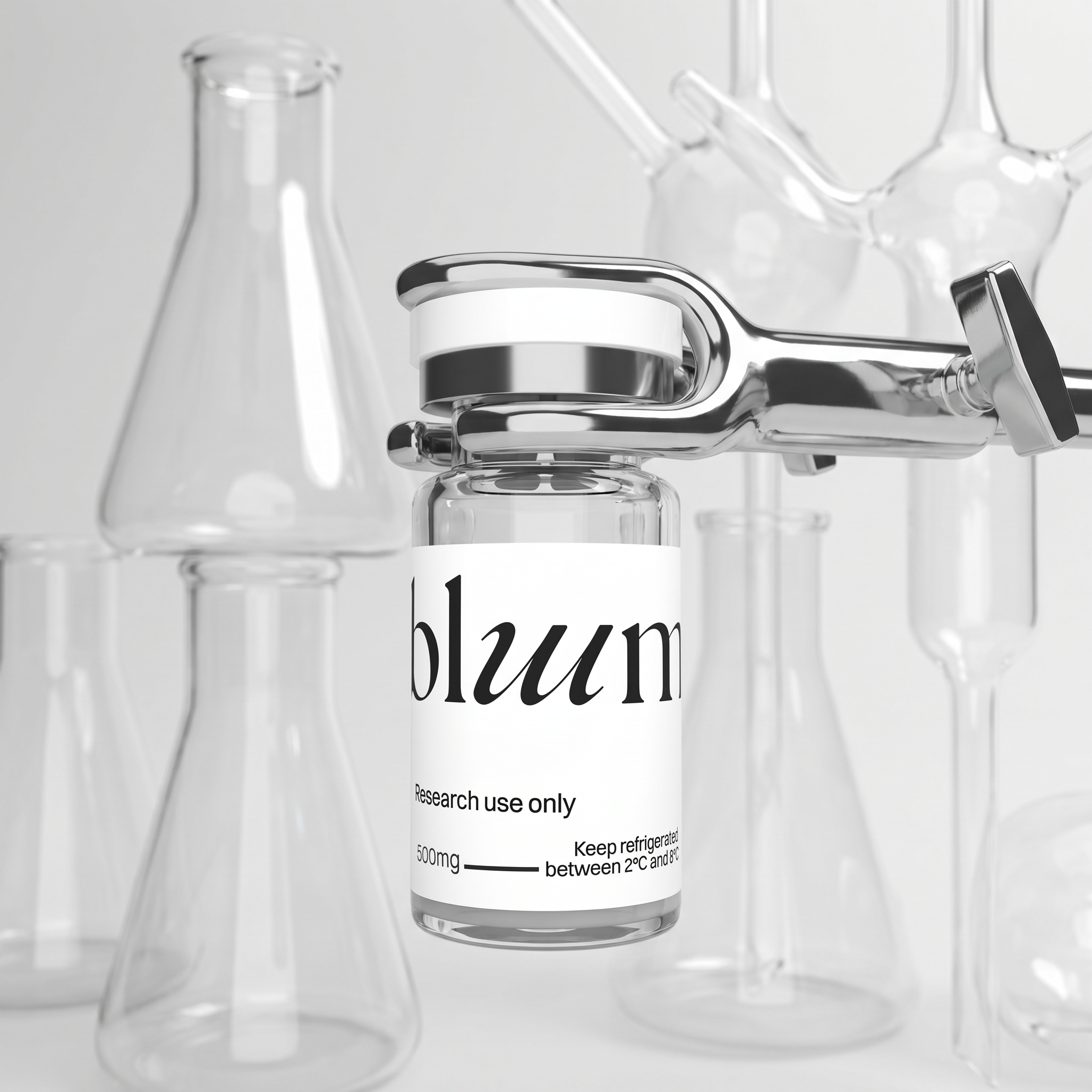
Searching for bpc 157 for sale can lead to a wide range of research suppliers, online listings, and product descriptions that promise exceptional purity or premium quality. However, price and presentation alone cannot establish whether a product contains the stated substance or is safe for any particular use. BPC-157 is an experimental peptide that has attracted interest through preclinical research, but reliable human evidence remains limited. A careful evaluation should consider product identity, laboratory documentation, realistic claims, and regulatory status rather than relying on marketing language. Understanding these factors helps readers interpret supplier information without confusing laboratory measurements with proven medical benefits.
Three terms often appear when evaluating peptide listings: purity, certificate of analysis (COA), and price. Purity describes a particular measurement of the sample, a COA reports selected laboratory findings, and price reflects what a seller charges for the product. These details are related, but none can independently establish clinical safety or effectiveness. A product with a high advertised purity percentage may still have unanswered questions about contamination, concentration, storage, or suitability for human use. Similarly, a higher price does not necessarily mean better quality, stronger evidence, or more reliable manufacturing.
What BPC-157 Is and What the Evidence Shows
BPC-157 is a synthetic peptide made up of 15 amino acids. Researchers have investigated it mainly in laboratory experiments and animal studies involving biological processes associated with tissue injury and repair. These findings have generated interest, but animal results do not reliably predict outcomes in humans. A systematic review published in 2026 identified only three small human studies involving a total of 30 participants and rated the certainty of evidence as very low. The available research is not sufficient to establish that BPC-157 safely or effectively treats injuries or other medical conditions.
This distinction is important when reading claims about bpc 157 for sale. Some product pages describe potential benefits as though they were established clinical outcomes, even when the supporting evidence comes primarily from preclinical experiments. Testimonials and personal stories cannot replace controlled trials, because they may not account for natural recovery, other treatments, or unrelated changes in symptoms. Buyers should assess whether a claim has been tested in people and whether the research is strong enough to support it. Until better evidence is available, BPC-157 should not be regarded as a proven treatment or a substitute for appropriate medical care.
How to Read a Certificate of Analysis (COA)
A certificate of analysis is a report that records the results of specific laboratory tests performed on a sample or batch. When reviewing a COA, start with the product name, batch number, testing date, laboratory identity, and analytical methods. The batch information should correspond to the material described in the report; otherwise, it may not provide useful evidence about the product being evaluated. A document with only a company logo and a purity percentage offers limited transparency. Readers should also remember that a COA describes the tests performed, not every possible characteristic of the substance.
Two measurements commonly discussed in peptide testing are high-performance liquid chromatography (HPLC) and mass spectrometry (MS). HPLC can help assess the relative proportion of detected components under a particular testing method, while mass spectrometry can support identification by measuring molecular mass. These methods provide different types of information, and neither alone proves that a substance is safe for human use. A complete quality assessment may require additional tests for peptide content, relevant impurities, and contamination, depending on the material and its intended research application. The key is to understand what the laboratory actually measured rather than treating one number as a complete quality score.
What Purity Percentages Really Mean
Purity is often one of the most prominent figures in listings for bpc 157 for sale, but the number needs context. A reported purity percentage usually reflects a specific analytical method and its measurement conditions. It does not necessarily indicate the total quantity of peptide in a vial, confirm the absence of every impurity, or establish sterility. Different methods can produce different types of results, so percentages should not be compared without understanding how they were obtained. A high figure may be useful evidence about one aspect of a sample, but it is not a guarantee of overall quality.
It is also important to distinguish chemical purity from clinical safety. A chemically well-characterized substance can still lack adequate evidence of safety, effectiveness, and appropriate use in humans. Manufacturing conditions, storage, handling, and the presence of substances not covered by a particular test may create additional uncertainties. Research-grade material has not necessarily undergone the controls and evaluation required for an approved medicine. For these reasons, purity claims should be considered technical information rather than proof that a product is suitable for personal treatment. Scientific evidence and regulatory status remain separate considerations.
Understanding Peptide Pricing and Value
The price of BPC-157 can vary between online listings because sellers may differ in manufacturing arrangements, testing documentation, packaging, stated quantity, and business costs. However, a higher price does not automatically indicate better quality, and a low price does not prove that a product is counterfeit. Comparing prices alone can be misleading when listings do not describe the same material or provide equivalent testing information. Advertised discounts, limited-time offers, and premium labels are marketing features, not scientific evidence. A meaningful comparison begins with understanding what each listing actually documents.
When reviewing a quoted price, pay attention to whether the stated quantity, compound identity, and testing information are clearly explained. Check whether a seller makes broad quality claims without providing supporting evidence, and avoid assuming that an expensive product has undergone independent verification. Hidden fees and unclear business policies may also complicate commercial comparisons. Most importantly, do not treat affordability or perceived value as a reason to overlook medical uncertainty. No price point can compensate for the absence of adequate clinical evidence, and no discount makes an experimental substance an established treatment.
What to Know About the KLOW Peptide
The term klow peptide generally refers to a marketed blend commonly described as containing four ingredients: GHK-Cu, BPC-157, TB-500, and KPV. Formulations may differ between suppliers, so the product name alone does not establish the precise ingredients or proportions. Researchers have investigated some of these compounds individually, mainly in laboratory and animal studies, but findings about separate ingredients cannot establish the safety or effectiveness of the combined formulation. No published clinical trial has established that the complete KLOW blend provides reliable health benefits in humans. Claims that the combination delivers superior healing or comprehensive recovery should therefore be treated cautiously.
Purity and COA questions also apply to multi-peptide blends, but testing becomes more complex when several substances are present. A report should make clear which ingredients were assessed, which analytical methods were used, and what the results actually establish. A test that identifies one component does not automatically verify every ingredient in the mixture or confirm the stability of the complete formulation. Similarly, a supplier's claim that each ingredient has been studied does not mean that the combination has been adequately evaluated. Anyone researching a klow peptide should distinguish individual ingredient research from evidence about the blend itself and avoid assuming that combining substances makes them more effective or safer.
Regulatory Status and Safety Considerations
BPC-157 is an experimental substance and is not approved by the US Food and Drug Administration as a medicine for treating human conditions. The FDA has raised safety concerns about certain compounded BPC-157 preparations, including uncertainties involving peptide characterization and potential immunogenicity. Regulatory discussions and policy proposals can change, but a committee recommendation or proposed rule does not itself constitute approval of a product. Requirements also vary by country, so online availability should not be interpreted as proof of legal authorization or medical legitimacy. Readers should check current official guidance applicable to their location rather than relying solely on a seller's claims.
The limited human evidence means that important questions about adverse effects, interactions, long-term outcomes, and appropriate clinical use remain unresolved. Products obtained from unverified sources may introduce additional uncertainties involving identity, contamination, and inconsistent composition. A COA cannot resolve these clinical questions, even when the document appears authentic and reports favorable laboratory results. Avoid using research-grade peptides to self-treat injuries or replace recommended medical care. If you are considering an experimental substance because of a health concern, consult a qualified healthcare professional about established treatment options and the risks associated with unapproved products.
Making Sense of Purity, COAs, and Pricing
Evaluating bpc 157 for sale requires looking beyond the headline price and advertised purity. A meaningful assessment considers the identity of the material, the scope and credibility of laboratory documentation, the limitations of testing methods, and the supplier's transparency. A certificate of analysis can help explain selected properties of a particular batch, but it cannot prove that a substance is safe or effective in humans. Likewise, a high purity figure and premium price should never be mistaken for evidence of clinical benefit. Keeping these distinctions clear helps readers interpret product claims more accurately.
The same careful approach applies to the klow peptide and other experimental blends. Understand what is known about each ingredient, what remains untested about the combination, and whether claims are supported by credible human research. For BPC-157 and KLOW, significant evidence gaps remain, so neither should be presented as a proven medical solution. If your interest comes from a medical condition or injury, seek professional advice before considering experimental substances. Ultimately, the most useful approach is to prioritize reliable evidence, transparent documentation, and informed health decisions over promotional promises or price comparisons.
 Turkish
 English
 Arabic
 French
 Spanish
 Portuguese
 Deutsch
 Dutch
 Italiano
 Russian
 Romaian
 Portuguese (Brazil)
 Greek