


Finding a Trusted Rhinoplasty Clinic in Islamabad: A Patient's Guide
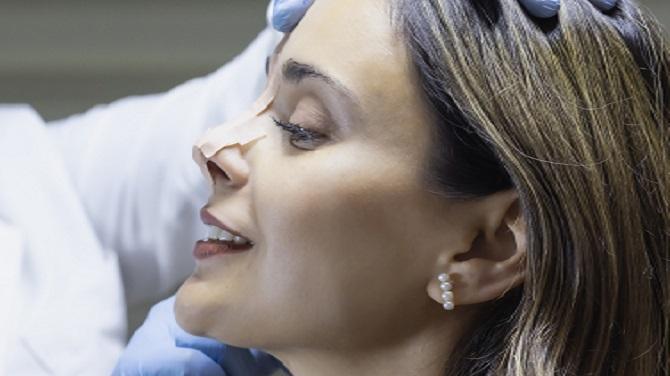
Choosing the right clinic for nose reshaping surgery is an important decision that can influence both your appearance and breathing function. Rhinoplasty in Islamabad, commonly known as nose surgery, is a procedure designed to modify the shape, size, or proportions of the nose according to a patient's facial structure and medical needs. Some individuals consider it to address a nasal hump, a broad nasal tip, asymmetry, or concerns following an injury, while others may need functional correction to improve airflow.
Finding a trusted clinic requires more than comparing photographs or searching for affordable treatment. Patients should assess the surgeon's qualifications, the clinic's safety standards, consultation process, and postoperative care. Understanding these factors helps individuals make informed decisions and develop realistic expectations before undergoing surgery.
Understand Your Rhinoplasty Goals
Before choosing a clinic, identify what you want to achieve through rhinoplasty. Having a clear understanding of your concerns can help the surgeon determine whether surgery is appropriate for you.
Common reasons for considering rhinoplasty include:
-
Cosmetic improvement: Adjusting the nasal bridge, tip, nostrils, or overall nasal proportions.
-
Functional concerns: Evaluating structural problems that may affect breathing.
-
Corrective surgery: Addressing certain changes caused by previous surgery or nasal injury.
A qualified surgeon should explain which changes may be achievable and whether your expectations are realistic. The goal should be a balanced result that complements your facial features rather than simply copying another person's nose.
Check the Surgeon's Qualifications and Experience
One of the most important steps in finding a trusted rhinoplasty clinic in Islamabad is verifying the qualifications of the surgeon who will perform the procedure. Rhinoplasty requires detailed knowledge of nasal anatomy, facial proportions, surgical techniques, and airway function.
Before booking a consultation, consider the following factors:
-
Professional credentials: Check the surgeon's medical registration, relevant specialist qualifications, and recognized surgical training.
-
Relevant experience: Ask about their experience performing primary rhinoplasty and, where appropriate, revision procedures.
-
Surgical approach: Discuss the techniques that may suit your nasal anatomy and treatment goals.
-
Patient communication: Choose a surgeon who explains benefits, limitations, risks, and alternatives clearly.
Be cautious of guarantees about perfect symmetry or permanent satisfaction. Every patient has different anatomy, healing characteristics, and expectations, so surgical outcomes cannot be guaranteed.
Evaluate the Clinic's Safety Standards
A reliable clinic should prioritize patient safety throughout the surgical process. Rhinoplasty is a surgical procedure that may involve anesthesia, bleeding, infection, swelling, and other complications. Patients should understand where the surgery will take place and what arrangements are available if complications occur.
Important safety considerations include:
-
An appropriately equipped surgical facility.
-
Qualified anesthesia professionals when anesthesia is required.
-
Proper sterilization and infection-control procedures.
-
A clear preoperative assessment and medical history review.
-
Emergency protocols and arrangements for postoperative monitoring.
Ask whether the procedure will be performed in a properly equipped hospital or surgical facility and who will provide anesthesia. A professional clinic should welcome reasonable questions about these arrangements.
Assess the Quality of the Consultation
A comprehensive consultation allows the surgeon to evaluate your concerns, medical history, nasal structure, and suitability for surgery. It should be a two-way discussion rather than a sales-focused appointment.
During the consultation, the surgeon may assess your facial proportions, nasal skin thickness, internal nasal structures, breathing concerns, and previous surgical history. Additional examinations may be recommended when clinically necessary.
Patients should ask questions such as:
-
Which rhinoplasty technique is appropriate for my nasal structure?
-
What changes are realistically achievable?
-
Could the procedure affect my breathing?
-
What complications and limitations should I understand?
-
How long will recovery take, and when can I return to work?
-
What follow-up appointments will be required?
Clear answers help you compare clinics based on professional care and informed decision-making rather than promotional claims alone.
Review Before-and-After Results Carefully
Before-and-after photographs can help patients understand a surgeon's work, but they should be reviewed thoughtfully. Look for examples involving patients with similar nasal features, skin thickness, or treatment goals.
When reviewing photographs, consider:
-
Whether images show consistent angles and lighting.
-
Whether the results appear proportionate to the patient's face.
-
Whether the clinic explains the timing of postoperative photographs.
-
Whether the examples represent the surgeon's actual work and are shared with appropriate patient consent.
Remember that photographs cannot predict your individual result. Healing can take many months, and subtle swelling, particularly around the nasal tip, may persist for an extended period.
Understand Costs, Recovery, and Aftercare
The cost of rhinoplasty in Islamabad can vary depending on the surgeon's expertise, surgical complexity, facility charges, anesthesia, and whether the procedure is primary or corrective.
Request a clear estimate that explains what is included, such as consultations, surgery, medication, follow-up visits, and any additional facility expenses. Avoid choosing a clinic solely because it offers the lowest price.
Recovery planning is equally important. Patients commonly experience swelling, bruising, and temporary nasal congestion after surgery. The surgeon may recommend keeping the head elevated, avoiding strenuous exercise, protecting the nose from injury, and attending scheduled follow-up visits.
Follow your surgeon's specific instructions, and seek prompt medical advice if you experience concerning symptoms such as significant bleeding, fever, worsening pain, or breathing difficulties.
Why Consider SKN Cosmetics in Islamabad?
Patients researching rhinoplasty can consider SKN Cosmetics in Islamabad as one option when comparing aesthetic clinics. Before making a decision, prospective patients should arrange a consultation to discuss their goals, understand the available surgical options, and verify the qualifications of the professional responsible for their treatment.
Ask about the surgical facility, anesthesia arrangements, expected recovery, possible complications, and postoperative support. A suitable provider should offer individualized advice, explain realistic outcomes, and give patients sufficient information to make an informed choice. Compare these details with those of other qualified providers before committing to surgery.
Make an Informed Final Decision
Finding a trusted rhinoplasty clinic involves evaluating the entire patient experience, from the initial consultation to long-term follow-up. Prioritize verified credentials, safe surgical arrangements, transparent communication, realistic expectations, and appropriate aftercare.
Take time to compare providers, ask detailed questions, and seek another professional opinion if you remain uncertain. The right choice is a qualified surgical team that understands your goals while putting your health and safety first. Careful research can help you approach rhinoplasty in Islamabad with greater confidence and a clearer understanding of the process.
Frequently Asked Questions
1. How do I choose a trusted rhinoplasty clinic in Islamabad?
Check the surgeon's qualifications, surgical experience, facility standards, patient communication, and aftercare arrangements.
2. Is rhinoplasty only a cosmetic procedure?
No. It can address cosmetic concerns and, in selected cases, structural problems affecting nasal breathing.
3. How long does rhinoplasty recovery take?
Initial recovery often takes a few weeks, but swelling and final changes may continue for 12 months or longer.
4. What should I ask during a rhinoplasty consultation?
Ask about surgical techniques, expected results, risks, total costs, recovery, and follow-up care.
5. How much does rhinoplasty cost in Islamabad?
Costs vary according to the surgeon, facility, procedure complexity, anesthesia, and aftercare requirements. Request an individualized estimate.
 Portuguese (Brazil)
 English
 Arabic
 French
 Spanish
 Portuguese
 Deutsch
 Turkish
 Dutch
 Italiano
 Russian
 Romaian
 Greek