


Material Selection and Engineering in Electric Sewage Pumps
Wastewater management depends on equipment that can move used water safely through drainage and collection systems. In residential buildings, commercial facilities, and industrial environments, an Electric Sewage Pump can help transfer wastewater from locations where gravity drainage alone is insufficient. Selecting suitable equipment requires attention to the liquid being handled, construction materials, motor protection, system layout, and the practical conditions surrounding installation and maintenance.
Material selection should reflect the environment in which the pump operates. Cast iron is frequently used for structural pump housings because it provides strength and supports many demanding wastewater applications. Stainless steel may be suitable for components exposed to corrosive conditions, while engineered materials can serve particular sealing or insulation functions. The correct combination depends on wastewater composition, suspended particles, cleaning chemicals, and the manufacturer's intended operating conditions.
Internal components deserve equal consideration. The impeller moves liquid through the pump, while the shaft, bearings, seals, and motor enclosure support the complete operating system. Wastewater may contain abrasive particles or substances that affect component surfaces over time. Buyers should therefore evaluate the compatibility of the entire assembly rather than assuming that a robust exterior guarantees suitability for every drainage environment.
Choosing a pump begins with identifying where the wastewater originates and where it needs to go. A basement drainage system, a residential sewage collection tank, and an industrial wastewater installation can present very different requirements. Buyers should describe the source of the liquid, the presence of suspended solids, the discharge route, and the frequency of operation. This information helps determine whether a standard sewage pump is appropriate or whether a specialized design is needed.
Wastewater composition is especially important. Domestic sewage may contain organic matter, paper products, and other everyday waste, while industrial wastewater can include process residues or substances that require specific material compatibility. Some pumps are designed to pass certain solids through their hydraulic passages, whereas others may incorporate cutting mechanisms or different intake arrangements. Users should confirm the permitted application with the manufacturer before selecting equipment.
The electric motor and hydraulic assembly work together to move wastewater through the system. The motor provides mechanical energy, which the impeller transfers to the liquid. The pump's internal passages and discharge connection guide the flow toward the receiving point. The overall result depends on the pump design, wastewater properties, pipework arrangement, and operating conditions. Reviewing the complete installation is more useful than judging equipment solely by its external appearance.
Electrical protection is another essential consideration. Sewage pumps may operate in wet pits or enclosed collection areas, so motor insulation, cable entries, seals, and suitable protective devices must match the installation. Depending on the system, level switches or automatic controls can help coordinate pump operation with changing wastewater levels. Electrical installation should follow the manufacturer's instructions and applicable safety requirements, with qualified personnel handling connections where necessary.
The surrounding pipework can influence everyday performance. Long discharge routes, bends, restricted outlets, and differences in elevation affect the resistance the pump must overcome. Poorly planned connections may contribute to inefficient operation or recurring drainage problems. Buyers should consider the complete route from the collection point to the discharge location and discuss the arrangement with an installer or supplier before equipment is selected.
User experience is closely connected to accessibility and operational clarity. Pumps installed in underground pits or confined service areas can be difficult to inspect if lifting arrangements and connection points are poorly planned. Accessible isolation points, practical lifting features, and clear operating instructions can make routine checks easier. Where automatic operation is used, maintenance personnel should understand how controls respond to changing liquid levels and what signs may indicate a developing fault.
Maintenance planning should reflect the type of wastewater and the frequency of use. Sediment may accumulate around intake areas, while fibrous material can obstruct passages or interfere with moving components. Seals, bearings, cables, and discharge connections may also require inspection. Establishing a suitable maintenance routine helps users identify developing problems, while safe electrical isolation is essential before cleaning or servicing the pump.
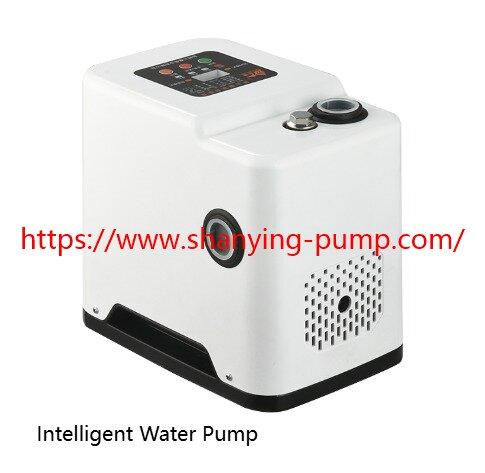
Design and appearance influence how easily the equipment fits into a working environment. A compact housing may help when installation space is restricted, while a stable base can support appropriate positioning. Clearly arranged outlets, lifting points, and access areas can make installation and service more convenient. External finishes should also suit the environment, particularly where the equipment may encounter moisture, dirt, or routine cleaning.
Taizhou Shanying Pump Co., Ltd. operates in the water pump industry, serving users with different water-handling requirements. When discussing an electric sewage pumping application, buyers can share information about wastewater characteristics, installation conditions, discharge arrangements, operating patterns, and maintenance access. These details help establish the practical requirements that should guide product selection and system planning.
Pump placement should also account for future inspection and possible equipment removal. A location that is convenient during installation may become difficult to access if surrounding pipes, covers, or other equipment obstruct the service area. Planning access routes, isolation arrangements, and routine inspection procedures alongside the pump's initial placement can make wastewater management easier for the people responsible for maintaining the system. Further information about Taizhou Shanying Pump Co., Ltd. and its pump products is available at https://www.shanying-pump.com/
 Romaian
 English
 Arabic
 French
 Spanish
 Portuguese
 Deutsch
 Turkish
 Dutch
 Italiano
 Russian
 Portuguese (Brazil)
 Greek