


Nose Reshaping Surgery in Islamabad: Benefits, Risks, and Recovery
Introduction
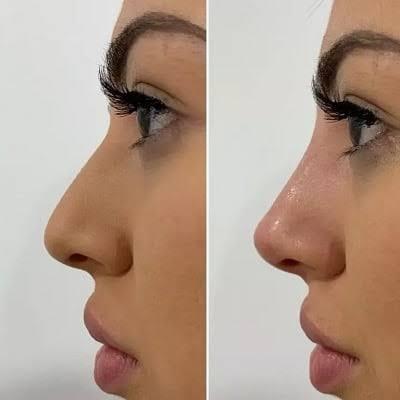
Nose reshaping surgery, medically known as rhinoplasty, is a cosmetic and functional procedure designed to improve the shape, size, and proportion of the nose. It can address concerns such as a prominent nasal hump, a wide nasal tip, asymmetry, or breathing difficulties caused by structural problems. Many people consider nose reshaping surgery in Islamabad to achieve a balanced facial appearance while maintaining natural-looking results.
The procedure requires careful planning, an understanding of facial anatomy, and an individualized surgical approach. Before undergoing rhinoplasty IN ISLAMABAD, patients should understand its potential benefits, possible risks, recovery timeline, and the importance of choosing a qualified surgeon.
What Is Nose Reshaping Surgery?
Nose reshaping surgery involves modifying the bone, cartilage, or other nasal structures to improve the nose's appearance or function. Depending on the patient's goals, the procedure may focus on cosmetic enhancement, functional improvement, or both.
A qualified surgeon evaluates the patient's nasal anatomy, skin thickness, facial proportions, and breathing function before recommending a suitable treatment plan.
Common concerns addressed through rhinoplasty include:
-
Nasal hump: Reducing a noticeable bump along the bridge of the nose.
-
Wide nose: Refining the nasal bridge or nostrils when appropriate.
-
Bulbous nasal tip: Reshaping the cartilage to create better definition.
-
Nasal asymmetry: Improving visible irregularities and uneven contours.
-
Crooked nose: Correcting certain structural deviations.
-
Breathing difficulties: Addressing selected structural problems, sometimes alongside septoplasty.
Not every concern requires the same surgical technique. The appropriate approach depends on the patient's anatomy, medical history, and expected outcome.
Benefits of Nose Reshaping Surgery in Islamabad
Rhinoplasty can provide aesthetic and functional benefits for suitable candidates. However, results vary, and surgery cannot guarantee perfect symmetry or a specific appearance.
1. Improved Facial Balance
The nose occupies a central position on the face, so changes to its shape can influence overall facial proportions. Rhinoplasty may help create a more balanced relationship between the nose, chin, lips, and other facial features.
A skilled surgeon aims to achieve results that complement the patient's existing features rather than follow a single beauty standard.
2. Refinement of Nasal Shape
Patients who feel uncomfortable with a nasal hump, broad bridge, drooping tip, or visible asymmetry may benefit from surgical reshaping.
Depending on the individual treatment plan, the surgeon may modify cartilage, adjust bone structure, or refine the nasal tip to achieve a more proportionate appearance.
3. Potential Improvement in Breathing
Some patients have nasal obstruction associated with a deviated septum or other structural abnormalities. Functional nasal surgery may help improve airflow when the underlying problem is appropriately diagnosed.
Cosmetic rhinoplasty alone does not necessarily improve breathing. Patients with nasal blockage should undergo a proper examination to determine whether functional treatment is needed.
4. Long-Lasting Structural Results
Rhinoplasty produces structural changes that are generally long-lasting once healing is complete. Nevertheless, the nose continues to age naturally, and changes in tissue, injury, or healing can affect its appearance over time.
5. Greater Confidence
For individuals who have long-standing concerns about their nasal appearance, surgery may improve satisfaction with their facial features. However, emotional well-being and self-esteem depend on many factors, and surgery cannot guarantee a particular psychological outcome.
Who Is a Suitable Candidate for Rhinoplasty?
Nose reshaping surgery may be appropriate for people who are physically healthy, have realistic expectations, and understand the benefits and limitations of the procedure.
A consultation typically considers:
-
Physical maturity: Nasal growth should generally be complete before elective cosmetic surgery.
-
Overall health: Medical conditions, medications, allergies, and smoking habits must be reviewed.
-
Specific concerns: Patients should clearly communicate what they would like to improve.
-
Realistic expectations: The goal should be a suitable improvement, not guaranteed perfection.
-
Breathing function: Existing obstruction or previous nasal injuries should be assessed.
A surgeon may recommend postponing surgery if a patient's health, expectations, or circumstances make the procedure unsuitable.
How Is Nose Reshaping Surgery Performed?
The surgical process generally involves consultation, preparation, the procedure itself, and postoperative follow-up.
1. Initial Consultation
During the consultation, the surgeon examines the nose, reviews medical history, discusses aesthetic goals, and assesses breathing when necessary. Photographs may be used to support treatment planning.
Patients should ask about the surgeon's qualifications, relevant experience, possible complications, expected recovery, and total treatment costs.
2. Surgical Planning
The surgeon determines whether an open or closed rhinoplasty approach is appropriate.
-
Open rhinoplasty: A small incision is made across the columella, the tissue between the nostrils, allowing broader access to the nasal structures.
-
Closed rhinoplasty: Incisions are made inside the nostrils, without an external columellar incision.
The choice depends on the complexity of the correction and the surgeon's assessment. Neither technique is automatically best for every patient.
3. The Procedure
Rhinoplasty is commonly performed under general anesthesia, although anesthesia choices depend on the procedure and clinical circumstances. The surgeon reshapes bone and cartilage according to the agreed treatment plan.
A nasal splint may be applied to support the nose during early healing. If breathing problems also require correction, the surgeon may perform an appropriate functional procedure during the same operation.
Risks and Possible Complications of Nose Reshaping Surgery
Although rhinoplasty is commonly performed, it is still surgery and carries potential risks. Patients should understand these risks before providing informed consent.
Possible complications include:
-
Swelling and bruising: Common during the initial recovery period.
-
Bleeding or infection: May require medical assessment or treatment.
-
Anesthesia-related complications: Depend on individual health and the type of anesthesia.
-
Breathing difficulties: Nasal airflow may remain impaired or become worse in some cases.
-
Scarring or asymmetry: Healing can produce uneven contours or visible irregularities.
-
Changes in sensation: Temporary or, less commonly, persistent numbness may occur.
-
Unsatisfactory cosmetic results: The final shape may differ from expectations.
-
Revision surgery: Additional surgery may be considered if significant concerns persist after healing.
Revision rhinoplasty can be more complex than the initial procedure and is not always necessary or advisable.
Patients should contact their surgical team promptly if they experience heavy bleeding, worsening pain, fever, or other concerning symptoms. Severe breathing difficulty or uncontrolled bleeding requires urgent medical attention.
Recovery After Nose Reshaping Surgery
Recovery takes time, and the nose may continue to change for months after the procedure. Following postoperative instructions helps support healing and reduces the risk of complications.
First Week
Swelling, bruising, nasal congestion, and mild discomfort are common. A splint may remain in place during this period, depending on the surgical technique.
Patients should rest, keep their head elevated, avoid strenuous activity, and follow instructions about cleaning the nose and taking prescribed medication.
Weeks Two to Four
Bruising and much of the visible swelling often improve during the first few weeks. Many patients can gradually return to routine activities when their surgeon confirms it is appropriate.
However, strenuous exercise, heavy lifting, and activities that could cause nasal injury should be avoided until cleared by the treating surgeon.
One to Three Months
The nose generally becomes more defined as swelling decreases. Subtle swelling, particularly around the tip, can remain noticeable even when the patient feels fully recovered.
Six to Twelve Months and Beyond
The final result may take around a year to become apparent, and some patients require longer for complete refinement. Healing depends on skin thickness, surgical complexity, and individual tissue response.
Recovery tips include:
-
Attend all scheduled follow-up appointments.
-
Avoid wearing glasses directly on the healing nose if instructed to do so.
-
Protect the nose from accidental impacts.
-
Avoid smoking and nicotine products as advised by the surgical team.
-
Follow restrictions on exercise and sun exposure.
-
Do not judge the final result while significant swelling remains.
Choosing a Clinic for Nose Reshaping Surgery in Islamabad
Selecting the right clinic and surgeon is an important part of safe rhinoplasty planning. Patients should prioritize appropriate qualifications, surgical experience, transparent communication, and access to suitable medical facilities.
Dynamic Aesthetic Clinic in Islamabad is a clinic patients may consider when exploring aesthetic treatment options. Individuals interested in nose reshaping surgery should contact the clinic directly to confirm whether rhinoplasty is offered, which qualified surgeon performs the procedure, and what consultation and treatment arrangements are available.
Before making a decision, patients should verify the surgeon's registration and relevant specialist credentials, ask about the facility's anesthesia and emergency arrangements, and review realistic before-and-after examples where available and appropriately consented.
A useful consultation should explain:
-
The recommended surgical approach and its limitations.
-
Expected results based on the patient's anatomy.
-
The full treatment cost and what it includes.
-
Potential complications and postoperative care.
-
The surgeon's follow-up policy and approach to complications.
Choosing a provider based on qualifications and patient safety is more important than selecting a clinic solely because of price or promotional offers.
Frequently Asked Questions
1. Is nose reshaping surgery painful?
Discomfort and congestion are common after surgery, but prescribed medication can help manage symptoms.
2. How long does rhinoplasty recovery take?
Initial recovery often takes one to two weeks, while final results may take a year or longer to develop.
3. Are rhinoplasty results permanent?
Structural changes are generally long-lasting, although natural aging and healing can affect the nose over time.
4. Can rhinoplasty improve breathing?
Yes, when surgery addresses an appropriate structural cause of nasal obstruction. Cosmetic reshaping alone may not improve breathing.
5. How much does nose reshaping surgery cost in Islamabad?
The cost varies according to the surgeon, surgical complexity, anesthesia, facility charges, and follow-up care. An individual consultation is needed for an accurate estimate.
Conclusion
Nose reshaping surgery in Islamabad can help suitable patients improve nasal proportions, address selected structural concerns, and potentially improve breathing when functional problems are treated. Understanding the benefits, risks, and recovery process is essential before making a decision.
The best outcomes begin with a thorough medical assessment, realistic expectations, and a qualified surgeon who prioritizes both appearance and nasal function. Patients should compare their options carefully, ask questions during consultation, and follow postoperative guidance throughout recovery.
Rhinoplasty is a personal medical decision. Taking time to understand the procedure and choose an appropriate provider can help patients make a more informed choice about their nasal health and aesthetic goals.
 Turkish
 English
 Arabic
 French
 Spanish
 Portuguese
 Deutsch
 Dutch
 Italiano
 Russian
 Romaian
 Portuguese (Brazil)
 Greek