


How Do Surgeons Estimate Whether a Facial Scar Can Be Improved?
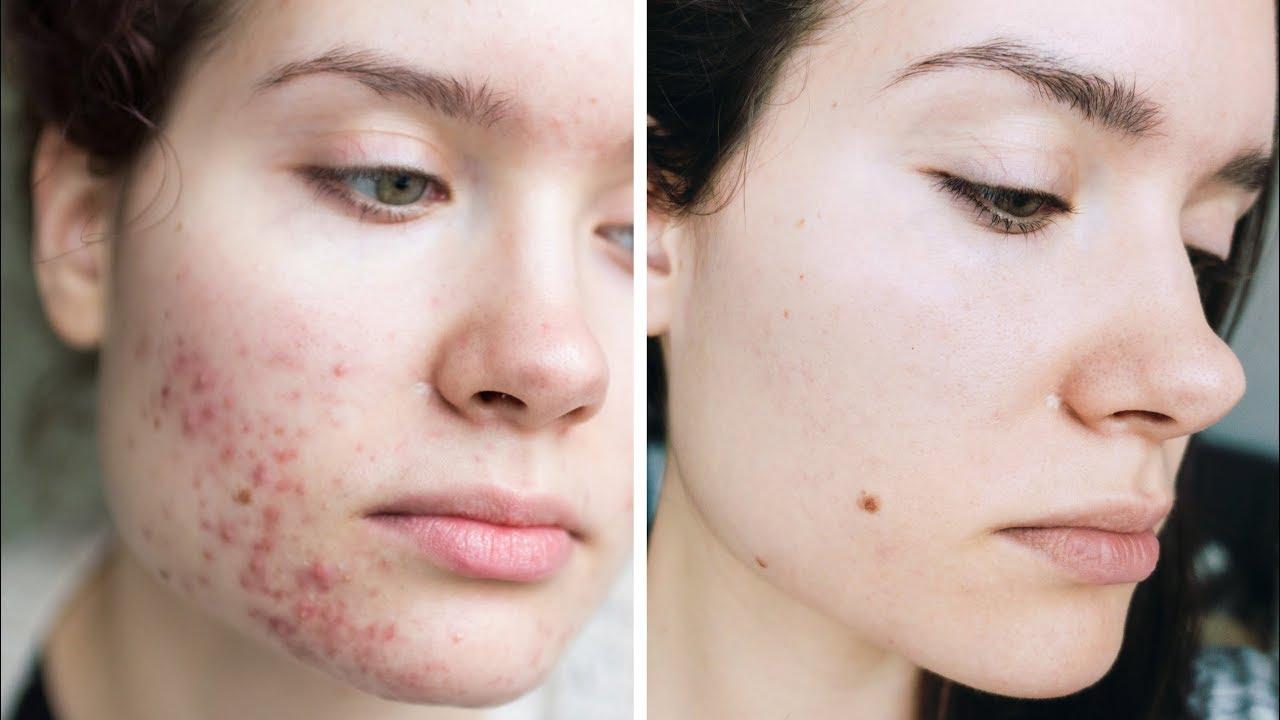
A facial scar can look very different from one person to another. Some scars are shallow and fade gradually, while others remain raised, depressed, uneven, or stretched long after the original injury has healed. If a scar affects your confidence, one of the first questions you may ask is simple: can it actually be improved?
Surgeons cannot predict the exact final result just by looking at a scar. They assess its type, depth, age, location, surrounding skin, and the way your body has healed in the past. For people considering Facial Scar Revision in Islamabad, this evaluation helps determine which treatments may be suitable and what level of improvement is realistic.
Why Is Every Facial Scar Assessed Differently?
A scar is the result of the body's natural wound-healing process. Its final appearance depends on the original injury, the depth of tissue damage, collagen production, and how the wound healed. Two scars that appear similar may therefore respond differently to treatment.
For example, a shallow mark left by acne may need a different approach from a deep, narrow scar or a surgical scar that has widened over time. A scar that pulls on the surrounding skin may also require a treatment that addresses tightness rather than appearance alone.
The first step is identifying what makes the scar noticeable. Once the main concern is understood, the surgeon can discuss whether revision, another medical treatment, or simply allowing more time for healing is the best option.
1. Examining the Scar's Type and Shape
The surgeon begins by examining the scar's visible features. They assess whether it is flat, raised, depressed, narrow, wide, irregular, or attached to deeper tissue. These details help distinguish between scar types that may require different treatments.
Atrophic scars, including many acne scars, sit below the surrounding skin because tissue has been lost during healing. Hypertrophic scars are raised but remain within the original wound's boundaries, while keloids may grow beyond those boundaries.
A long, widened scar may be suitable for surgical revision, whereas selected small, deep acne scars may be considered for punch excision. The shape and structure of the scar often guide the choice of technique, but no procedure is suitable for every scar in a particular category.
2. Assessing the Scar's Age and Maturity
A scar continues to change after the wound has closed. During the early healing period, it may appear red, firm, swollen, or raised. Over time, it may soften, flatten, and become less noticeable as collagen fibres reorganise.
Surgeons consider how long the scar has been present and whether its appearance is still changing. For many uncomplicated scars, elective revision may be considered after approximately 6 to 12 months, although the appropriate timing varies. Functional problems or other clinical concerns may require earlier assessment.
A scar's age is important, but it is not the only deciding factor. If the scar is still improving naturally, waiting may be worthwhile. If it remains prominent or restricts movement, the surgeon may discuss treatment options sooner.
3. Checking the Depth and Surrounding Tissue
The visible surface does not always reveal how deep a scar extends. During an examination, the surgeon may gently assess its firmness, flexibility, and attachment to the underlying tissue. They also look at whether the surrounding skin can move freely.
A depressed scar may be tethered to deeper structures, meaning it is pulled downward rather than simply lacking surface volume. In these cases, resurfacing alone may not adequately address the problem. A treatment that releases the attachment may be needed, depending on the scar's characteristics.
Understanding the underlying structure helps avoid choosing a treatment that addresses only the surface. The surgeon may explain why a combination of approaches could be more appropriate than a single procedure.
4. Considering Facial Location and Natural Skin Lines
The location of a scar can influence both treatment choices and expected results. A scar on the forehead may behave differently from one near the eyelid, nose, lips, or jawline because facial skin varies in thickness, movement, and tension.
Surgeons may consider whether the scar crosses natural skin creases or lies at an angle that makes it more noticeable. In selected cases, surgical revision can change the scar's direction or improve its alignment with surrounding facial contours.
Areas around the eyes and mouth require particular care because even a small change in tissue tension can affect movement or symmetry. Improving appearance should never come at the expense of normal facial function.
5. Reviewing Skin Tone and Healing History
Your skin's response to previous injuries can provide useful clues about how a revised scar might heal. The surgeon may ask whether cuts, acne, burns, or previous procedures left dark marks, thick scars, or keloids.
People with darker skin tones, including many Pakistani patients, may be more prone to post-inflammatory hyperpigmentation. This means the skin can develop darker areas after inflammation or injury. Some individuals are also more likely to develop raised scars.
These factors do not automatically rule out treatment. Instead, they help the clinician assess risks and select an appropriate approach. Your personal healing history matters more than skin colour alone.
What Do Surgeons Consider During Facial Scar Revision in Islamabad?
During a consultation for Facial Scar Revision in Islamabad, a surgeon combines the physical examination with your goals, medical history, and understanding of possible outcomes. They may consider several questions before recommending a treatment.
-
What is the main concern? The priority may be reducing a depression, improving a raised scar, changing its direction, or releasing tight tissue.
-
Is the scar suitable for surgery? Its size, depth, location, maturity, and surrounding skin help determine whether surgical revision is likely to be beneficial.
-
Could a non-surgical option work? Selected scars may be better suited to silicone-based care, laser treatment, injections, or other specialist-recommended approaches.
-
What risks are relevant? A history of keloids, pigmentation changes, infection, or poor wound healing may affect the treatment plan.
-
What result is realistic? The surgeon should explain the likely degree of improvement, recovery requirements, and possibility of needing additional treatment.
A useful consultation should explain both the potential benefits and the limitations. If a result is uncertain, a responsible clinician should say so rather than promise complete scar removal.
Which Treatments Might Be Recommended?
The treatment depends on the problem identified during the assessment. Surgical scar revision may be suitable for a widened or poorly positioned scar, while techniques such as Z-plasty may help redirect a scar or release tight tissue in selected cases.
Punch excision may be considered for certain small, deep scars. Laser procedures can help some concerns involving redness or texture, while other treatments may be more appropriate for pigmentation or raised scars. The clinician should explain why a particular method fits your scar.
Some scars need more than one treatment, often performed in stages. There is no single procedure that works best for every facial scar, and combining techniques does not guarantee a perfect result.
How Accurate Is the Estimate of Improvement?
A surgeon can estimate the likely direction of improvement, but cannot guarantee the exact final appearance. Healing varies between individuals, and scars may remain red, firm, or slightly raised for months after treatment.
The assessment may be supported by photographs and, where appropriate, examples of similar cases. These can help explain what may be achievable, but they cannot predict your personal result with certainty.
Scar maturation often continues for a year or longer. The realistic goal is usually a less noticeable scar, not completely scar-free skin. Understanding this distinction can help you make a more confident treatment decision.
Choosing a Clinic for Facial Scar Assessment
When considering Facial Scar Revision in Islamabad, look for a qualified clinician with experience assessing facial scars and selecting treatments according to scar type. Ask about the proposed technique, risks, alternatives, recovery time, and the expected degree of improvement.
You should also discuss any previous treatments, medication use, allergies, and wound-healing problems. A careful consultation gives you the opportunity to understand whether treatment is appropriate now or whether another approach may be safer or more effective.
Dynamic Aesthetic Clinic is an option to consider when exploring facial scar treatment. Ask about its expertise in scar assessment, advanced revision techniques, and consultation with appropriately qualified, board-certified surgeons where applicable. A personalised evaluation can help you understand suitable options and set realistic expectations for improvement.

 English
 French
 Spanish
 Portuguese
 Deutsch
 Turkish
 Dutch
 Italiano
 Russian
 Romaian
 Portuguese (Brazil)
 Greek