


How Clinics Personalize HIFU Treatment for Different Facial Areas
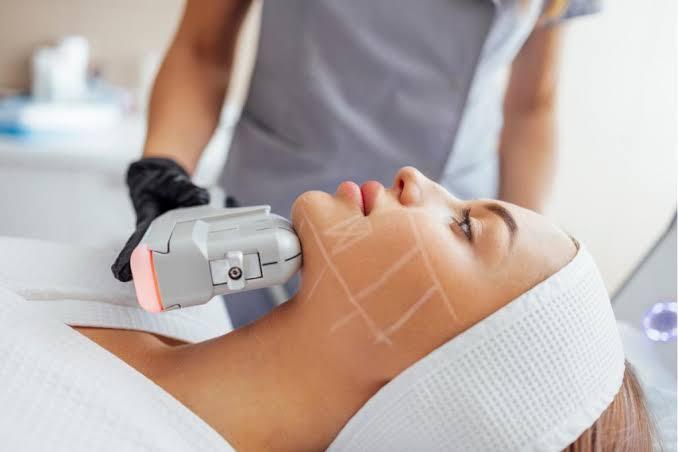
High-Intensity Focused Ultrasound (HIFU) is a non-surgical aesthetic treatment used to support skin tightening, improve facial firmness, and address selected concerns related to skin laxity. It delivers focused ultrasound energy beneath the skin to stimulate collagen production, which plays an important role in maintaining skin structure and elasticity. However, every facial area has different anatomical features, skin thickness, and aesthetic requirements. For this reason, a personalized approach is essential when planning HIFU treatment in Islamabad.
Clinics assess each patient's facial structure, skin condition, treatment goals, and medical suitability before recommending a procedure. Rather than applying the same technique across the entire face, qualified professionals tailor the treatment according to the area being addressed. This approach helps support natural-looking results while prioritizing comfort and safety.
Why HIFU Treatment Requires a Personalized Approach
Facial skin does not age uniformly. Some people experience loose skin around the jawline, while others notice reduced firmness around the cheeks, eyebrows, or neck. The depth and extent of these concerns can vary significantly.
A personalized HIFU treatment plan considers several factors:
-
Skin laxity: The degree of looseness helps determine whether HIFU may be appropriate.
-
Facial anatomy: Different areas contain varying amounts of fat, muscle, connective tissue, and underlying structures.
-
Age and skin condition: Skin quality, elasticity, and collagen changes influence treatment planning.
-
Individual goals: Patients may want subtle jawline definition, improved cheek firmness, or a more lifted appearance around the eyebrows.
-
Medical suitability: A professional assessment helps identify contraindications and determine whether another treatment may be more appropriate.
This assessment allows practitioners to establish realistic expectations instead of promising identical results for every patient.
Personalizing HIFU for the Forehead and Brow Area
The forehead and brow area often receive attention when patients notice mild sagging or a tired-looking appearance. HIFU may be considered for selected patients seeking subtle improvement in brow support without surgery.
Because the forehead contains delicate anatomical structures, treatment requires careful evaluation and precise technique. Practitioners consider the patient's natural brow position, skin condition, and desired outcome before selecting treatment settings.
Important planning considerations include:
-
Assessing brow symmetry and existing skin laxity.
-
Identifying appropriate treatment zones.
-
Avoiding unsuitable areas around sensitive anatomical structures.
-
Explaining that non-surgical brow lifting generally produces more subtle changes than surgical procedures.
Not every patient with heavy or drooping eyebrows is a suitable candidate for HIFU. A consultation helps establish whether the treatment is likely to address the concern effectively.
Tailoring HIFU for the Cheeks
The cheeks contribute significantly to facial contour and overall appearance. With age, changes in collagen, skin elasticity, and facial volume can affect how firm or lifted the cheeks appear.
When planning HIFU for this area, practitioners evaluate skin laxity alongside the patient's existing facial volume. This distinction matters because someone with loose skin may have different needs from someone whose primary concern is volume loss.
A personalized cheek treatment plan may involve:
-
Assessing skin firmness and the degree of sagging.
-
Mapping suitable treatment areas according to facial anatomy.
-
Selecting appropriate device settings and treatment depths.
-
Discussing realistic improvements and the possibility of alternative treatments.
HIFU is not a replacement for dermal fillers or other procedures designed specifically to restore lost volume. A careful assessment helps prevent unrealistic expectations and supports an approach suited to the patient's facial features.
Improving Jawline Definition with HIFU
A less defined jawline is a common aesthetic concern. Mild skin laxity beneath the cheeks or along the lower face can affect the appearance of the jawline and create a softer facial contour.
HIFU may help selected patients improve the appearance of mild skin looseness in this region. However, results depend on factors such as skin condition, facial anatomy, and the underlying cause of reduced definition.
Clinics personalize lower-face treatment by considering:
-
The location and extent of skin laxity.
-
The patient's natural jawline shape.
-
Whether excess fat, loose skin, or both contribute to the concern.
-
The need to protect important nerves and other anatomical structures.
Patients should understand that HIFU does not remove substantial amounts of fat or produce the same results as surgical lifting. A qualified practitioner can explain whether it is a reasonable option for the desired outcome.
Addressing the Chin and Under-Chin Area
The area beneath the chin may develop fullness or loose skin due to genetics, aging, body composition, and changes in tissue support. Although patients sometimes assume these concerns all require the same treatment, their underlying causes can differ.
For this reason, clinics assess the chin and under-chin region individually. HIFU may be considered when mild skin laxity is the primary concern, but it may be less effective when significant fullness or excess skin is present.
During treatment planning, professionals consider skin elasticity, the amount of underlying fat, facial proportions, and the patient's goals. They also explain that treatments targeting fat reduction are not interchangeable with procedures designed to tighten skin.
Choosing the correct approach begins with identifying the actual concern rather than simply treating the area where it appears.
Personalizing HIFU for the Neck
The neck can show signs of aging through reduced skin firmness, fine lines, and mild tissue laxity. Since the skin and underlying structures differ from those of the cheeks, the neck requires its own treatment assessment.
A practitioner may evaluate the extent of looseness, skin thickness, and the presence of prominent neck bands before recommending HIFU. Treatment settings and application areas should be selected according to the device's instructions and the patient's anatomy.
Patients with substantial excess skin may need a different approach to achieve meaningful improvement. A responsible consultation should explain both the potential benefits and the limitations of non-surgical treatment.
The Role of Consultation and Professional Expertise
Personalization begins before the device is used. A thorough consultation gives the practitioner an opportunity to review medical history, understand aesthetic priorities, examine the skin, and discuss possible risks.
A well-planned consultation generally includes:
-
Review of relevant medical history and treatment suitability.
-
Assessment of the facial areas causing concern.
-
Discussion of expected results, limitations, and possible side effects.
-
Explanation of treatment settings, procedure steps, and aftercare.
-
A realistic plan for evaluating results and deciding whether further treatment is appropriate.
HIFU can cause temporary redness, swelling, tenderness, or other adverse effects. Burns, nerve-related symptoms, and unwanted changes in facial fat are also possible. Choosing a qualified, appropriately trained professional and a suitable device is important for minimizing risks.
Choosing a Clinic for Personalized HIFU Treatment in Islamabad
Patients considering HIFU should look for a clinic that emphasizes individualized assessment, clear communication, suitable equipment, and realistic treatment recommendations. A reputable provider should explain why a particular facial area may benefit from HIFU and when another option might be more appropriate.
SKN Cosmetics in Islamabad is an option patients can explore when researching aesthetic treatments and consultation services. Before proceeding, patients should discuss their concerns with the clinic, confirm the treating professional's qualifications, and ask about treatment suitability, expected outcomes, potential complications, and aftercare.
The best treatment plan is not necessarily the one that covers the greatest number of facial areas. It is the one that addresses the patient's actual concerns while respecting facial anatomy, individual needs, and safety considerations.
Conclusion
Personalizing HIFU treatment for different facial areas requires more than selecting a device setting. The forehead, cheeks, jawline, chin, and neck each have distinct anatomical characteristics and aesthetic considerations. A careful assessment helps practitioners determine which areas may benefit, establish realistic expectations, and avoid unnecessary treatment.
For patients exploring non-surgical skin tightening, professional guidance is an essential first step. Understanding the potential benefits and limitations of HIFU makes it easier to choose a treatment approach that aligns with individual goals and supports informed decision-making.
Meta Description
Learn how clinics personalize HIFU treatment for the forehead, cheeks, jawline, chin, and neck through individualized assessment and treatment planning.
Frequently Asked Questions (FAQs)
1. What is HIFU treatment used for?
HIFU is a non-surgical treatment used to improve skin firmness and address selected concerns related to mild skin laxity.
2. Why is HIFU treatment personalized?
Different facial areas have distinct anatomical features, skin conditions, and treatment requirements.
3. Can HIFU treat the cheeks and jawline?
It may improve mild skin laxity in these areas, depending on individual suitability and treatment goals.
4. How long does it take to see HIFU results?
Results develop gradually over several weeks to months as collagen remodeling occurs, although outcomes vary.
5. Is HIFU suitable for everyone?
No. A qualified practitioner should assess medical history, skin condition, anatomy, and treatment goals before recommending HIFU.

 English
 French
 Spanish
 Portuguese
 Deutsch
 Turkish
 Dutch
 Italiano
 Russian
 Romaian
 Portuguese (Brazil)
 Greek