


What Causes Diarrhea: Common Triggers and When to Seek Care
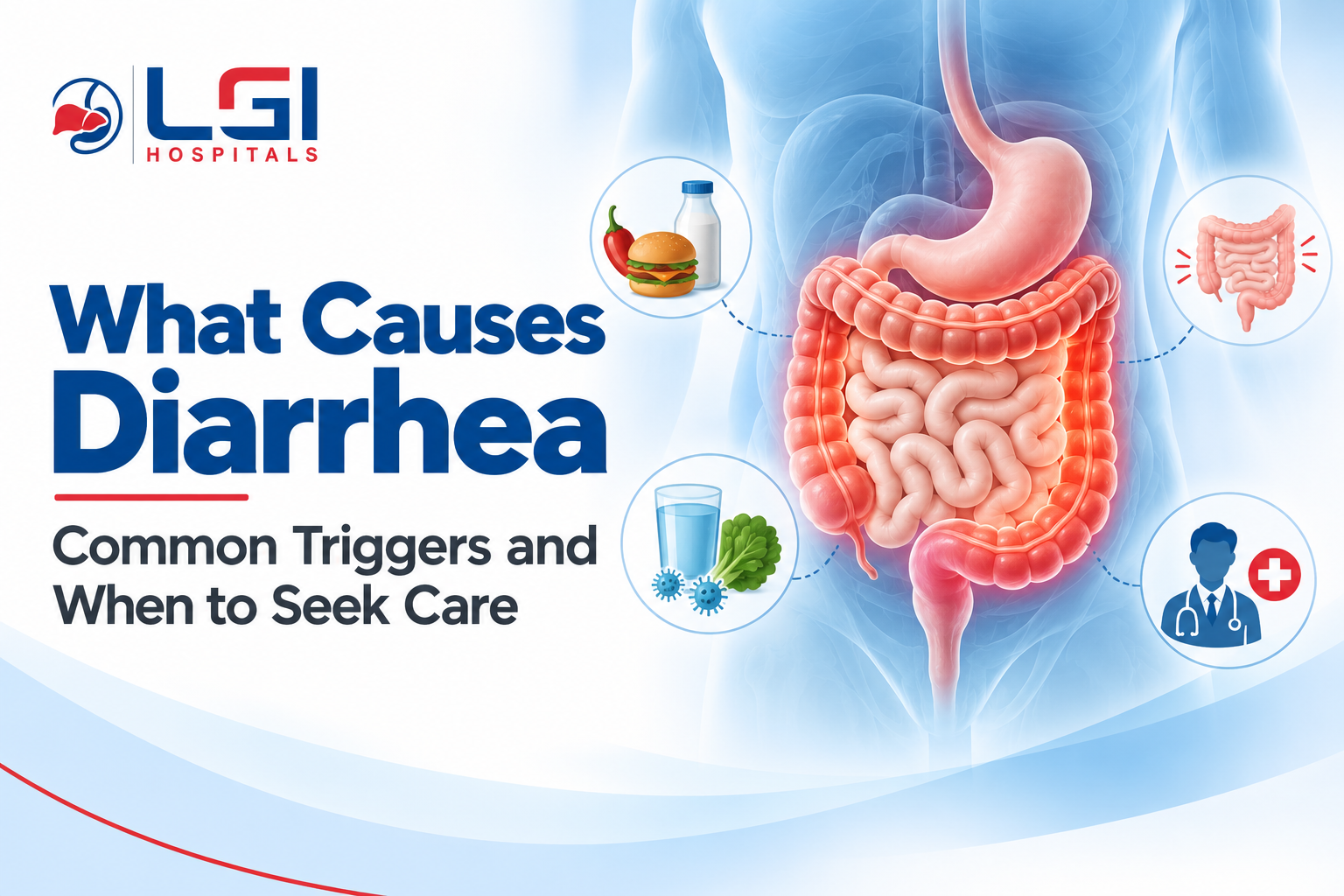
Quick Answer: Diarrhea is typically caused by viral or bacterial infections, dietary intolerances, medication side effects, or underlying gastrointestinal conditions. While often temporary, persistent symptoms require professional evaluation. The gastroenterology team at LGI Hospitals provides comprehensive assessment and management for ongoing digestive concerns.
Diarrhea is a common digestive symptom characterized by loose, watery stools occurring three or more times in a single day. While it is frequently a temporary inconvenience, understanding the underlying triggers is essential for effective management and preventing complications like dehydration. The medical team at LGI Hospitals emphasizes that accurate clinical diagnosis is the first step toward restoring digestive comfort and identifying any underlying conditions.
Common Causes of Diarrhea
The main reason for diarrhea varies significantly from person to person. Acute cases, which last for a few days, are frequently linked to viral or bacterial infections, often referred to as gastroenteritis. Other common triggers include:
-
Dietary Intolerances: Inability to properly digest certain substances, such as lactose in dairy products or gluten in wheat, can lead to rapid bowel movements.
-
Medication Side Effects: Certain medications, particularly antibiotics, antacids containing magnesium, and some blood pressure drugs, can disrupt the natural balance of gut bacteria or accelerate digestion.
-
Foodborne Illness: Consuming contaminated food or water can introduce harmful bacteria or parasites into the digestive tract.
-
Chronic Gastrointestinal Conditions: Diarrhea lasting more than four weeks may indicate underlying issues such as Irritable Bowel Syndrome (IBS), Inflammatory Bowel Disease (IBD), or Celiac disease.
Why You Might Have Diarrhea Without Feeling "Sick"
It is entirely possible to experience loose stools without feeling systemically ill or having a fever. The gut and the brain are closely connected through the gut-brain axis. Factors such as stress, anxiety, or sudden dietary changes can accelerate bowel motility. Additionally, consuming large amounts of artificial sweeteners, caffeine, or spicy foods can irritate the intestinal lining, causing a reaction that mimics an infection without the presence of actual pathogens.
Recognizing Red Flags and Seeking Evaluation
While many mild cases resolve with adequate hydration and temporary dietary adjustments, certain signs warrant prompt medical attention. Red flags include severe or worsening abdominal pain, visible blood or mucus in the stool, high fever, unexplained weight loss, or signs of severe dehydration such as dizziness and dark urine.
If symptoms persist beyond a few days, a gastroenterologist may recommend specific diagnostic procedures. For example, an endoscopy allows specialists to visually examine the upper or lower gastrointestinal tract to rule out inflammation or other abnormalities. For persistent or recurring issues, exploring dedicated diarrhea management services can help identify the precise root cause and establish a safe, individualized care plan.
Frequently Asked Questions
What helps diarrhea go away?
For mild, acute cases, the primary focus is preventing dehydration by drinking plenty of clear fluids, oral rehydration solutions, and broths. Eating bland, low-fiber foods like bananas, rice, applesauce, and toast can also help firm up stools. However, persistent diarrhea requires professional medical evaluation to address the underlying cause.
What is the main reason for diarrhea?
The most common reason for acute diarrhea is a viral or bacterial infection of the digestive tract. For chronic diarrhea, the main reasons often shift to dietary intolerances, medication side effects, or chronic gastrointestinal disorders like IBS or IBD.
Why do I have diarrhea but I'm not sick?
Diarrhea without systemic illness symptoms like fever or body aches is often triggered by non-infectious factors. Stress, anxiety, sudden changes in diet, high caffeine intake, or mild food intolerances can stimulate the digestive tract and cause loose stools without an active infection.
What is a red flag for diarrhea?
Red flags that require immediate medical attention include blood or black, tarry stools, severe abdominal or rectal pain, a high fever, signs of severe dehydration, or diarrhea that persists for more than two days in adults without improvement.
Conclusion
Understanding the potential triggers of loose stools can help you make informed decisions about your daily habits and digestive health. Do not ignore persistent symptoms or attempt to self-diagnose chronic conditions. You can contact LGI Hospitals to enquire about appointments for a professional evaluation, accurate diagnosis, and personalized medical guidance.
Medical Disclaimer: This article is for educational and informational purposes only and does not constitute professional medical advice, diagnosis, or treatment. Always consult a qualified physician or gastroenterologist for any medical concerns. LGI Hospitals assumes no liability for health outcomes based on this content. Seek immediate medical attention in case of a medical emergency.
 Italiano
 English
 Arabic
 French
 Spanish
 Portuguese
 Deutsch
 Turkish
 Dutch
 Russian
 Romaian
 Portuguese (Brazil)
 Greek