


Hair Loss Treatment Guide to Understanding Miniaturized Hair Follicles
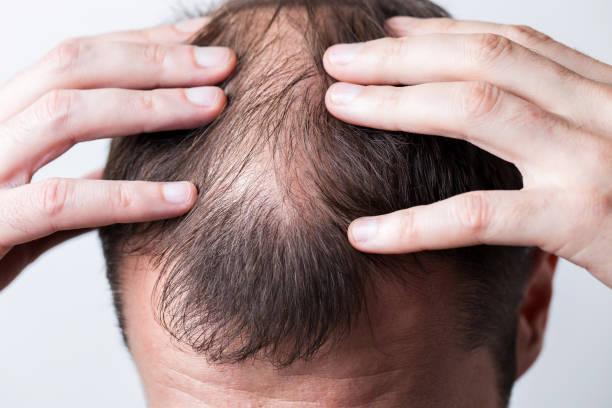
Hair follicles are tiny structures in the scalp responsible for producing individual hair strands. In some forms of progressive hair loss, follicles can gradually become smaller, producing finer and shorter hairs. This process is known as follicular miniaturization. Understanding this change can help individuals recognize why hair may appear thinner and explore Hair loss treatment in Riyadh when professional guidance is needed.
How Follicular Miniaturization Develops
Miniaturization does not usually happen overnight. Affected follicles may progressively produce thinner strands over multiple growth cycles. The hair may initially look normal but gradually become less dense, shorter, and lighter in appearance as the follicle's productive capacity changes.
Changes in Hair Thickness
A miniaturized follicle typically produces a finer strand than it previously did. As more follicles produce thinner hairs, overall coverage can decrease and the scalp may become increasingly visible.
Shorter Growth Periods
Miniaturized hairs may have a shorter visible growth phase, making them appear less capable of reaching the length or thickness of unaffected strands. These subtle differences can become more noticeable as the process continues.
Common Causes of Follicular Miniaturization
Genetic Hair Loss
Genetic factors are strongly associated with follicular miniaturization in common pattern hair loss. Certain follicles may be more sensitive to hormonal influences, causing gradual changes in their size and hair production.
Aging and Hormonal Changes
Natural aging can affect hair density and growth characteristics. Hormonal fluctuations may also influence follicle behavior, depending on the individual's biological factors and underlying condition.
Recognizing Miniaturized Hair
Miniaturized strands may be noticeably finer than surrounding hair and can appear shorter, softer, or less pigmented. Differences may be particularly visible around the temples, hairline, crown, or other areas affected by progressive thinning.
Signs to Watch For
A widening part, receding hairline, reduced crown density, and increasing scalp visibility can accompany follicular miniaturization. Comparing photographs over several months may make gradual changes easier to recognize.
Why Early Assessment Matters
Follicular miniaturization can progress gradually, so early changes may be easy to dismiss. Professional evaluation can help determine whether thinning is related to genetic pattern hair loss or another condition. Hair loss treatment in Riyadh can then be considered according to the individual's hair pattern, scalp condition, and treatment goals.
Hair Loss Treatment Approaches
Treatment depends on the underlying cause and the condition of the follicles. Professional approaches may focus on supporting existing hair, managing progressive thinning, improving the appearance of reduced density, or considering restorative options when appropriate.
Personalized Treatment Planning
There is no single treatment that suits every person with miniaturized follicles. A specialist may evaluate hair density, the pattern of thinning, family history, scalp health, and previous treatments before recommending an appropriate plan.
Supporting Existing Hair
Maintaining gentle hair-care habits can help protect existing strands from unnecessary breakage. Avoiding excessive heat, harsh chemical treatments, aggressive brushing, and tight hairstyles may help preserve the appearance of thinner hair.
Nutrition and Lifestyle
A balanced diet, adequate sleep, regular activity, and effective stress management can support overall well-being and healthy hair maintenance. These habits complement professional care but may not address genetic or progressive follicular miniaturization on their own.
What to Expect During a Consultation
A consultation may involve discussing the history and progression of thinning, family history, lifestyle factors, and previous hair treatments. The scalp and hair can then be examined to identify areas of reduced density and differences in strand thickness.
Understanding Treatment Expectations
Hair growth follows natural cycles, so visible improvement generally takes time. Treatment response varies between individuals and depends on the underlying cause, follicle condition, and selected approach. Clear expectations can help patients make informed decisions.
Book an Appointment at Royal Clinic Saudi
If you have noticed increasingly fine hair, a receding hairline, or reduced scalp coverage, professional assessment can help you understand whether follicular miniaturization may be contributing to the change. Royal Clinic Saudi can evaluate your hair and scalp concerns and discuss suitable treatment options based on your individual needs.
FAQs:
1. What is follicular miniaturization?
It is the gradual reduction in follicle size that can cause finer, shorter hair strands.
2. What commonly causes miniaturized follicles?
Genetic hair loss is a common cause, although aging and hormonal factors can also contribute.
3. Can miniaturized hair become thicker again?
The potential for improvement depends on the cause, follicle condition, and selected treatment.
4. When should I seek professional advice?
Consider an assessment when gradual thinning, finer strands, or increasing scalp visibility becomes noticeable.
 Deutsch
 English
 Arabic
 French
 Spanish
 Portuguese
 Turkish
 Dutch
 Italiano
 Russian
 Romaian
 Portuguese (Brazil)
 Greek