


Sleeves and Cylinders: Smart Ways to Use Rigid Book Sleeves and Round Boxes
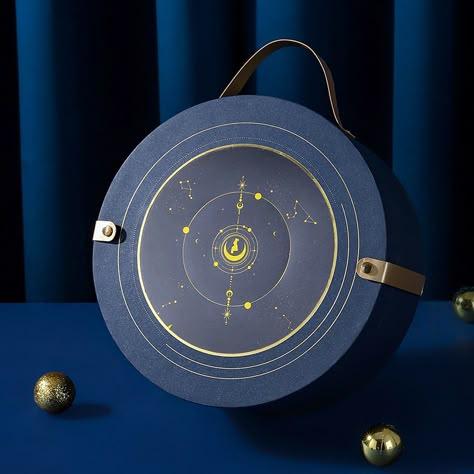
Sleeves, Cylinders and Shelf Appeal: Two Rigid Packaging Formats Worth Knowing
Rigid Book Sleeves protect and present books, journals and flat items inside a firm, wrapped slipcase. Round Shaped Rigid Boxes do the same job for cylindrical and rounded products, with a look that stands out on any shelf. Both formats trade the usual rectangle for something more distinctive, and both reward careful planning around size and material.
Why Shape Is a Branding Decision
Most packaging on a shelf is a rectangle. That is practical, but it also means your product blends in with its neighbors. A sleeve or a cylinder breaks that pattern, and customers notice the difference before they read a single word.
Shape also affects how a product feels in the hand. A slipcase suggests something worth keeping on a bookshelf, while a round box suggests a gift, a treat or a small luxury. Choosing the right silhouette is as much about the emotion you want to create as the item you need to protect.
Rigid Book Sleeves in Practice
What They Are
A sleeve is an open ended case, usually slightly taller than it is wide, that a book or flat product slides into. The spine stays visible, which lets you show a title, a logo or a pattern even when the item is stored upright. Many designs include a thumb notch or a small cutout so the contents are easy to pull out.
Who Uses Them
Publishers use Rigid Book Sleeves for special editions, anniversary releases and boxed sets. Photographers and wedding studios use them for albums. Brands also turn to them for notebooks, planners, calendars and printed lookbooks, since the sleeve keeps corners crisp and covers clean.
Getting the Fit Right
The key measurement is the thickness of the item, not just the height and width. Leave a small allowance so the contents slide in smoothly without wobbling. A sleeve that grips too tightly can scuff covers, and one that is too loose lets the item rattle and look cheap. A physical sample is the fastest way to confirm the balance.
Round Shaped Rigid Boxes in Practice
Why Round Works
Round Shaped Rigid Boxes are made from thick board that is curved and wrapped in paper, then paired with a matching lid and base. The curved wall gives them a softer, friendlier look than a square box, and the circular lid makes a natural canvas for a logo or a pattern.
Product Fits
They are a favorite for candles, perfume, chocolates, macarons, flowers and skincare jars. Round Shaped Rigid Boxes also suit tea and coffee gifts, small accessories and even floral arrangements, where the cylinder shape shows off the stems or petals so well. Because the shape hugs round items closely, there is less wasted space inside than a square box would leave.
Practical Cautions
Round boxes are harder to stack in a straight pile than square ones, and they can roll if placed on a slope. Shipping cartons need extra padding or dividers, and the manufacturing process can cost a bit more than a standard rectangle since curved walls take extra handling. Plan for those details early and the surprises stay small.
Material and Finish Choices That Apply to Both
Whichever format you choose, the finishing makes a lot of the difference. Soft touch lamination gives a velvety feel, while foil stamping adds shine to logos and borders. Embossing and debossing add texture that customers can feel before they see it. Textured wrap papers in linen, leather grain or matte color can lift a simple shape into something that looks custom made.
It also helps to think about sustainability. Many suppliers now offer recycled board, FSC certified paper and water based coatings, so you can keep a premium look without leaving a heavy footprint.
Does Premium Packaging Really Matter?
It does, and the numbers back it up. According to a Dotcom Distribution survey, 52 percent of online shoppers said they would be likely to make repeat purchases from a retailer that delivers products in premium packaging. A distinctive format such as a sleeve or a cylinder gives customers a reason to remember your brand when they reorder.
Planning Your Order Step by Step
Define the Product First
Measure the product accurately, including any ribbon, cap or protrusion. Write down its weight, because heavier items need thicker board and a sturdier base.
Request Samples
Ask for a sample of the exact structure, size and paper. Test the fit, open and close it many times and check how the finish handles fingerprints and light scuffing.
Confirm Timelines and Quantities
Rigid packaging takes longer to produce than folding cartons, so build in time for sampling, revisions and shipping. Ask about minimum order quantities and price breaks at higher volumes before you commit.
Common Questions
Can sleeves hold more than one item?
Yes. A wider sleeve can hold a boxed set, a book with a companion booklet or a stack of notebooks. Just make sure the internal width and thickness are measured for the complete set.
Are round boxes more expensive than square ones?
Often a little, because the curved construction takes more steps. The difference depends on size, quantity and finishing, so ask for quotes on both shapes using identical specs.
Can I print on the inside of the box or sleeve?
You can add a printed wrap or a lined interior in a contrasting color. It is an affordable way to add a surprise when the customer opens the package.
Final Word
Rigid Book Sleeves suit products that deserve a permanent place on a shelf, and Round Shaped Rigid Boxes bring warmth and charm to gifts, candles and beauty items. Both formats ask for careful measuring and honest sampling, and both repay the effort with packaging customers remember. Start with your product, test a few options in your hands and choose the shape that tells your brand story best.
 Greek
 English
 Arabic
 French
 Spanish
 Portuguese
 Deutsch
 Turkish
 Dutch
 Italiano
 Russian
 Romaian
 Portuguese (Brazil)