


Common Hot Tub Problems and How to Fix Them
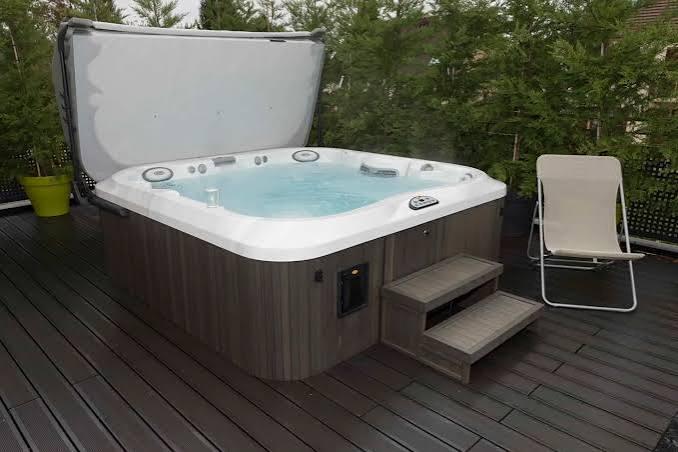
Understanding Common Hot Tub Problems
Common Hot Tub Problems can affect water quality, heating performance, circulation, and the overall enjoyment of your spa. Whether you own a hot tub for relaxation, family time, or outdoor entertaining, understanding the warning signs can help you identify issues before they become more expensive to repair. Some problems are related to routine maintenance, such as unbalanced water chemistry or clogged filters, while others may involve pumps, heaters, sensors, or electrical components. Recognizing the difference between a simple maintenance task and a technical fault is important for protecting both the equipment and its users. Regular inspections, correct water treatment, and following the manufacturer's operating instructions can help reduce avoidable breakdowns. When a problem persists or involves electrical safety, professional assistance is the most appropriate solution.
Why Hot Tub Maintenance Matters
Preventive maintenance is one of the most effective ways to reduce Common Hot Tub Problems and keep your spa operating reliably. Water circulates through filters, pumps, and heating components, so neglected cleaning or poor water chemistry can affect several parts of the system. Small issues, such as a dirty filter or an incorrect water level, may reduce circulation and interfere with normal operation. Over time, failing to address these warning signs can place additional strain on equipment and increase repair costs. Establishing a simple routine that includes testing the water, cleaning the filter, checking the water level, and inspecting the visible equipment can help you identify changes early. Always follow the manufacturer's recommended schedule, because maintenance requirements differ between models. Consistent care supports better water quality and helps preserve the lifespan of the hot tub.
Hot Tub Water Is Not Heating Properly
A hot tub that fails to reach its normal temperature may have several possible causes. The water level could be too low, the filter may be restricting circulation, or the heater may not be receiving the conditions it needs to operate correctly. Some models also display an error code when a temperature sensor or other component detects a problem. Begin by checking the water level and inspecting the filter according to the owner's manual. Confirm that the control panel is set correctly and that the cover is fitted properly to reduce heat loss. If the water remains cold, the breaker trips, or an error code persists, switch off the equipment when appropriate and arrange a qualified inspection. Do not open electrical compartments or attempt repairs on live components. A proper diagnosis can distinguish a simple maintenance issue from a heater or control-system fault.
Understanding Poor Water Circulation
Good circulation moves water through the filter and heating system, helping maintain even temperatures and effective filtration. When circulation becomes weak, you may notice reduced jet pressure, unusual noises, poor heating, or warning messages on the control panel. Possible causes include a dirty filter, a low water level, a blocked intake, trapped air after draining, or a pump problem. Check the water level first and clean or replace the filter according to the manufacturer's instructions. Inspect accessible intake areas for debris without dismantling the equipment. If the problem started after refilling the spa, follow the manufacturer's procedure for addressing trapped air. Avoid running a pump that appears to be operating without adequate water flow. Persistent circulation faults should be investigated by a qualified technician to prevent further equipment damage.
Dealing With Cloudy Hot Tub Water
Cloudy water can make a hot tub look uninviting and may indicate a filtration or water-chemistry issue. Common causes include inadequate sanitizer levels, an imbalanced pH, a dirty filter, accumulated body oils, and fine particles suspended in the water. Start by testing the water with a suitable test kit and comparing the results with the chemical ranges specified by the manufacturer. Clean the filter using an approved method and check that the circulation system is working normally. Add water-treatment products only according to their labels and your test results rather than mixing chemicals at random. If the water remains cloudy despite proper treatment, consider whether the water needs partial replacement or whether the filtration system requires inspection. Do not use the hot tub when water quality is uncertain or the required sanitizer level has not been restored.
Why Hot Tub Water Develops an Unpleasant Smell
An unpleasant smell may indicate poor water maintenance, accumulated organic matter, or an imbalance in the sanitizer system. Body oils, sweat, cosmetics, and other contaminants can build up when water treatment and filtration are inadequate. A strong chemical smell does not necessarily mean that too much sanitizer has been added; it can also occur when sanitizers react with contaminants in the water. Test the water and follow the product instructions to restore the recommended balance. Clean the filter, maintain the appropriate circulation schedule, and encourage users to shower before entering the spa. Avoid adding extra chemicals without testing because excessive dosing can create additional problems. If the smell persists, or the water causes irritation, stop using the hot tub until the cause has been identified and the water is confirmed safe for use.
Fixing Weak or Non-Working Jets
Jets may lose pressure or stop working because of restricted water flow, blocked jet openings, an incorrect water level, or a pump-related fault. Some jets can also be adjusted or closed individually, depending on the model. Begin by checking whether the jets are open and whether the water level meets the manufacturer's requirements. Inspect accessible openings for debris and clean them using the recommended procedure. If only some jets are affected, the problem may be local to those fittings or their water passages. If all jets are weak, investigate the filter, circulation, and pump operation before assuming that the jets themselves need replacement. Never force a fitting that does not move easily. If the pump makes unusual noises, overheats, or repeatedly stops, turn the system off as instructed and contact a qualified technician.
Identifying Filter Problems
The filter captures debris and helps keep water clear, but it cannot work effectively when it becomes clogged or damaged. A dirty filter may restrict circulation, contribute to cloudy water, and interfere with normal heating. Check the filter according to the maintenance schedule and clean it with a product approved for the specific filter type. Ordinary household detergents may leave residues that create excessive foam or affect water quality, so use only suitable cleaning products. Inspect the filter material and housing for cracks, deformation, or other damage. Replace the filter when recommended or when cleaning no longer restores its condition. A replacement must match the hot tub's specifications. Regular filter care is a relatively simple maintenance task that can help reduce strain on pumps and support more consistent water quality.
Preventing Excessive Foam in the Water
Foam can develop when soap residue, shampoo, laundry detergent, body oils, cosmetics, or other organic contaminants enter the water. High levels of dissolved substances may also contribute to persistent foaming. Encourage users to rinse off before entering the spa and avoid wearing freshly washed swimwear that may contain detergent residues. Test the water and maintain the recommended chemical balance rather than adding multiple products to hide the symptom. A hot tub defoamer may reduce visible foam temporarily, but it does not remove the underlying contaminants. If the problem repeatedly returns, review cleaning habits, filter maintenance, and the condition of the water. Depending on the water quality and the manufacturer's recommendations, partial draining and refilling may be necessary. Addressing the source of the foam is more effective than repeatedly treating the surface.
Troubleshooting Hot Tub Leaks
A leak can originate from plumbing connections, seals, pump fittings, heater unions, jets, or damage to the shell. The location and timing of the water loss can provide useful clues, but the source is not always visible from outside the cabinet. First, distinguish a genuine leak from normal splashing or condensation, and check whether the water level continues to fall when the spa is not being used. Turn off the equipment if water is reaching electrical components or if the manufacturer advises shutting it down. Do not remove panels near live electrical systems. Some accessible seals may be serviceable, but hidden plumbing leaks often require professional diagnosis. Avoid applying random sealants because incompatible products can damage components or make later repairs more difficult. Early investigation can help prevent water damage to the surrounding base and structure.
Understanding Unusual Hot Tub Noises
Unusual sounds can indicate a change in the way the pump, motor, circulation system, or other components are operating. Humming may occur when a motor struggles to start, while rattling or grinding can suggest loose parts, debris, or mechanical wear. Gurgling may be associated with air in the plumbing or an incorrect water level. Note when the sound occurs, such as during heating, filtration, or jet operation, and compare it with the normal sound of your system. Check the water level and accessible filter areas before investigating further. If the pump becomes unusually hot, produces a burning smell, or makes severe grinding noises, stop operating the system and seek professional help. Avoid repeatedly restarting equipment that appears to be malfunctioning. Describing the sound and the conditions under which it occurs can help a technician diagnose the issue more efficiently.
Solving Hot Tub Control Panel Errors
A control panel may display an error message when the system detects a temperature, circulation, sensor, or electrical issue. The exact meaning of each code depends on the manufacturer and model, so consult the owner's manual rather than relying on a generic online explanation. Record the displayed code before resetting the system, because this information may help identify the original fault. Check basic items such as the water level and filter only when the manual recommends doing so. A reset may clear a temporary alert, but it will not repair a faulty sensor, pump, heater, or wiring problem. If the message returns, follow the manufacturer's shutdown instructions and arrange a qualified inspection. Never bypass safety sensors or repeatedly reset a system that is showing a serious fault. Correct diagnosis is safer than guessing at the cause.
Maintaining the Correct Water Level
Water level affects circulation, filtration, and the operation of many hot tub pumps. If the level drops too low, the system may draw in air, lose pressure, or display a flow-related warning. Overfilling can also cause problems because water may spill out when people enter the spa or when the jets are running. Follow the manufacturer's instructions for the correct filling level, which may be marked on the filter housing or described in the manual. Check the level regularly, especially during periods of frequent use or hot weather. If the water repeatedly falls without an obvious explanation, investigate possible leaks rather than continually topping it up. Refill the spa using the recommended procedure and ensure that the circulation system is operating normally before use. Maintaining the correct level helps protect equipment and supports consistent performance.
Addressing Water That Feels Too Hot
Water that becomes hotter than expected should be treated as a potential safety issue. Possible causes include incorrect settings, a temperature-sensor problem, a control fault, or an issue with the heating system. Stop using the hot tub if the temperature appears unsafe, and follow the manufacturer's instructions for switching off the heater. Do not rely solely on the displayed temperature if the water feels unusually hot or readings appear inconsistent. Use an appropriate thermometer to verify the water temperature when it is safe to do so. Never bypass a high-limit switch or attempt to repair electrical controls yourself. If the water overheats or the system continues heating unexpectedly, keep users away and arrange professional service. Maintaining the recommended temperature and checking unusual changes promptly can help prevent discomfort and reduce the risk of heat-related illness.
Preventing Low Sanitizer Levels
Sanitizer helps control microorganisms in hot tub water, but its effectiveness depends on the product used, the water conditions, and regular testing. Low sanitizer levels may occur when the spa is used frequently, contaminants accumulate, or the treatment routine is inconsistent. Follow the instructions for your chosen sanitizer and maintain the pH within the recommended range, since water chemistry can influence treatment performance. Test the water at the frequency recommended by the manufacturer and after heavy use when appropriate. Do not mix different chemical products unless their instructions explicitly permit it, and never combine concentrated chemicals directly. If the sanitizer level is outside the approved range, restore it according to the product label and keep users out until the water meets the required conditions. A consistent treatment routine is more reliable than waiting until the water looks or smells unusual.
Understanding High or Low pH Levels
The pH level influences water comfort, sanitizer effectiveness, and the potential for scale or corrosion. When pH is too high, mineral deposits may become more likely and sanitizer performance can be affected. When pH is too low, water may become corrosive and potentially irritate the skin or eyes. Use a reliable test kit and compare the results with the ranges specified by the hot tub and chemical manufacturers. Make adjustments gradually using approved products and follow the stated dosage instructions. Allow the water to circulate for the recommended period before testing again. Avoid adding several chemicals at once or making large corrections without confirming the readings. If the pH repeatedly moves outside the recommended range, investigate the source water, alkalinity, and maintenance routine. Stable water chemistry helps protect equipment and makes the spa more comfortable to use.
Removing Scale and Mineral Deposits
White or rough deposits on fittings, the shell, or waterline may indicate mineral scale. Scale can form when water chemistry encourages minerals to precipitate, particularly when hardness and pH are not properly managed. Begin by testing the water and reviewing the manufacturer's recommendations for hardness and pH. Use a compatible cleaning product on affected surfaces and avoid abrasive tools that could scratch the shell. Do not use household acids or other chemicals unless they are explicitly approved for the material and application. If deposits repeatedly return, investigate the source water and consider whether an approved water-treatment approach is appropriate. Severe buildup inside plumbing or heating components may require professional service. Preventing scale through regular testing and suitable water treatment is generally easier than removing established deposits after they have affected the equipment.
Dealing With Water That Irritates Skin or Eyes
Skin or eye irritation can occur when water chemistry is outside the recommended range or when contaminants and treatment by-products accumulate. It may also have causes unrelated to the hot tub, so persistent symptoms should not automatically be attributed to one chemical. Stop using the spa if the water causes irritation, test the sanitizer and pH, and follow the manufacturer's guidance to restore safe conditions. Avoid adding extra chemicals without knowing the test results. If symptoms are severe, persist after leaving the water, or involve breathing difficulties, seek appropriate medical assistance. Check whether cleaning products or personal-care products may have entered the water and inspect the filtration routine. Do not reopen the hot tub for use until the water meets the required safety conditions. Clear water alone is not proof that the water is properly treated.
Protecting Your Hot Tub During Cold Weather
Cold weather can place additional demands on the heating and circulation systems, particularly when temperatures approach freezing. Follow the manufacturer's winter operating instructions and make sure the heater and circulation system are functioning as intended. If the spa will remain in use, monitor it according to the recommended schedule and respond promptly to power interruptions or error messages. If the hot tub will be shut down for winter, use the manufacturer's complete winterization procedure, including the specified draining and plumbing protection steps. Simply draining the visible shell may leave water inside pipes and equipment, where it can freeze and cause damage. Do not improvise with antifreeze or other products unless the manufacturer explicitly approves them for the application. If you are uncertain how to protect the system in severe cold, contact a qualified spa technician before temperatures fall.
Preventing Pump and Motor Failures
The pump moves water through the filtration and heating system, while the motor provides the power required for circulation and jet operation. Reduced flow, repeated shutdowns, excessive vibration, overheating, or unusual noises may indicate a problem that needs attention. Start by checking the water level and filter because restricted circulation can place extra demands on the system. Follow the manufacturer's instructions for cleaning accessible components and never run equipment in conditions that the manual identifies as unsafe. If the pump repeatedly trips a breaker, leaks around the motor, or makes grinding noises, stop using it and arrange professional inspection. Pump and motor repairs can involve electrical connections and mechanical components that require appropriate training. Addressing early warning signs can help prevent a minor issue from developing into a more expensive equipment failure.
Recognizing Electrical Safety Issues
Electrical problems require particular caution because hot tubs combine water, heating equipment, and powered components. Warning signs may include repeated breaker trips, damaged cables, burning smells, unexpected shutdowns, or tingling sensations when touching the water or equipment. If you suspect an electrical fault, keep people out of the spa, switch off the supply only if it is safe to do so, and contact a qualified electrician or authorized service technician. Never touch wet electrical equipment, open control boxes, bypass protective devices, or repeatedly reset a breaker that continues to trip. Ensure the installation meets local electrical regulations and the manufacturer's requirements for grounding and protective devices. Regular professional inspections can help identify deteriorating connections or other hazards. Electrical safety issues should never be treated as ordinary maintenance tasks or postponed simply because the hot tub still appears to work.
Improving Energy Efficiency
Heating water is often one of the main contributors to hot tub operating costs. A well-fitted, insulated cover helps reduce heat loss when the spa is not in use, while appropriate insulation and a suitable temperature setting can also influence energy consumption. Keep the cover clean and inspect it for waterlogging, damage, or gaps that allow heat to escape. Follow the manufacturer's recommendations for filtration and heating schedules rather than switching equipment off in ways that could create water-quality or freeze-protection problems. Avoid setting the temperature higher than necessary for your intended use. If energy consumption rises unexpectedly, investigate possible cover damage, equipment faults, or changes in operating habits. The best approach balances reasonable energy use with proper circulation, water treatment, and the safe operation of the heating system.
Creating a Consistent Maintenance Schedule
A regular maintenance schedule makes it easier to identify changes before they affect the entire hot tub system. Routine tasks may include checking water level, testing sanitizer and pH, inspecting the cover, and confirming that circulation appears normal. Filter cleaning, deeper surface cleaning, and water replacement should follow the manufacturer's instructions and the needs of the spa. Keep a simple record of water-test results, chemical additions, filter care, and any error codes or unusual noises. This information can reveal recurring patterns and help a technician diagnose persistent problems. Avoid delaying maintenance simply because the water looks clear or the equipment is still running. A structured routine helps distribute tasks throughout the month and reduces the likelihood of forgetting important checks. Consistency is often more practical and economical than waiting until a noticeable fault develops.
When to Call a Professional Hot Tub Technician
Some maintenance issues can be handled by following the owner's manual, but others require specialist equipment and training. Professional assistance is recommended for persistent heating failures, repeated error codes, suspected internal leaks, pump or motor damage, and any electrical fault. A qualified technician can inspect components safely, identify the actual cause, and recommend repairs compatible with the specific model. Before arranging a service visit, record the symptoms, error messages, and circumstances in which the problem occurs. Avoid dismantling sealed components or purchasing replacement parts based on a guess. If the issue creates a risk of electric shock, overheating, or significant water damage, stop using the spa and follow the manufacturer's shutdown instructions. Timely professional diagnosis can help prevent further damage and restore reliable operation more efficiently than repeated trial-and-error repairs.
Keeping Your Hot Tub Reliable for Years
Preventive care, responsible water treatment, and prompt attention to unusual behaviour can help extend the useful life of a hot tub. Checking the filter, maintaining the correct water level, testing sanitizer and pH, and inspecting the cover are practical habits that support reliable performance. When problems arise, identify the symptoms carefully and consult the owner's manual before attempting any maintenance. Avoid guessing with chemicals or carrying out electrical repairs without the required qualifications. For homeowners looking for maintenance advice, replacement parts, or spa-related products, Chinook Hot Tubs and Saunas is a resource worth exploring. Following the manufacturer's guidance and arranging professional servicing when necessary can help maintain water quality, improve equipment reliability, and make hot tub ownership more enjoyable over the long term.
 Romaian
 English
 Arabic
 French
 Spanish
 Portuguese
 Deutsch
 Turkish
 Dutch
 Italiano
 Russian
 Portuguese (Brazil)
 Greek