


The Difference Between Short-Term and Long-Term Oxygen Therapy at Home
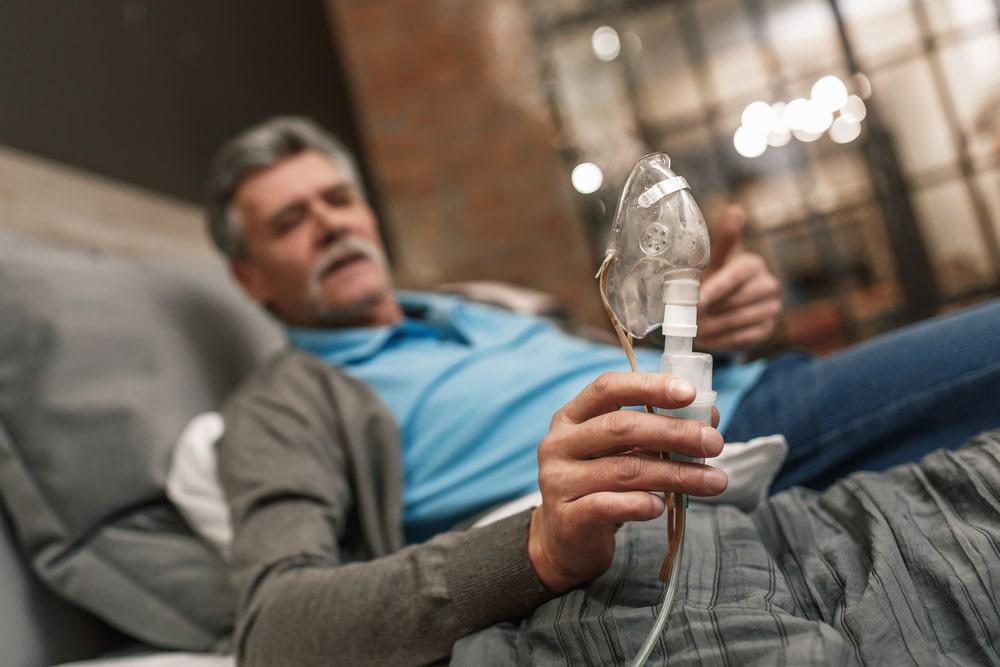
Oxygen therapy is an important part of respiratory care for patients who cannot maintain adequate oxygen levels on their own. Understanding whether a patient needs temporary support or ongoing treatment can help families make informed healthcare decisions and improve daily comfort. Oxygen Therapy At Home In Dubai offers a practical option for eligible patients who need prescribed supplemental oxygen in a familiar environment, with support from healthcare professionals providing services such as Doctor at Home. Although both short-term and long-term oxygen therapy deliver additional oxygen, they differ in their duration, purpose, monitoring requirements, and impact on everyday life.
What Is Oxygen Therapy at Home:
Oxygen therapy involves supplying supplemental oxygen through equipment such as a nasal cannula or oxygen mask when a healthcare professional determines that a patient's blood oxygen level is too low. It may be recommended for people experiencing certain respiratory illnesses, chronic lung conditions, or recovery following hospitalization. Home oxygen therapy allows eligible patients to receive prescribed treatment without remaining in a healthcare facility. The equipment and treatment plan depend on the patient's medical condition, oxygen requirements, and lifestyle. Oxygen is a medical treatment rather than a general wellness product, so patients should use it only when prescribed and follow their clinician's instructions carefully.
What Is Short-Term Oxygen Therapy:
Short-term oxygen therapy is generally prescribed for a limited period when a patient temporarily needs additional oxygen. This may occur during recovery from an acute respiratory illness, after certain surgical procedures, or following hospitalization for a condition that has affected breathing. The main purpose is to support adequate oxygen levels while the underlying problem improves. The treatment period varies depending on the diagnosis, recovery progress, and clinical assessment. Patients receiving short-term oxygen may be advised to use it continuously or only during particular activities, according to their prescription. Important considerations include:
-
Following the prescribed oxygen flow rate and usage schedule.
-
Attending follow-up appointments to assess recovery.
-
Reporting worsening breathlessness or other new symptoms.
-
Avoiding changes to oxygen settings without medical advice.
Short-term treatment should not automatically be discontinued when a patient begins to feel better; a healthcare professional must determine whether supplemental oxygen is still necessary.
What Is Long-Term Oxygen Therapy:
Long-term oxygen therapy is intended for patients with persistent low blood oxygen levels associated with certain chronic medical conditions. It may be prescribed to people with advanced chronic obstructive pulmonary disease (COPD), some forms of interstitial lung disease, or other conditions that impair oxygen delivery. Eligibility depends on clinical assessment and, when appropriate, objective measurements of oxygen levels. Unlike temporary treatment, long-term therapy may become part of a patient's daily routine for months or years. Its goals include correcting chronic low oxygen levels, supporting normal body function, and helping eligible patients maintain their daily activities. Long-term oxygen therapy typically involves:
-
Using the prescribed equipment for the recommended number of hours.
-
Maintaining an adequate supply of oxygen and checking equipment function.
-
Scheduling regular medical reviews and oxygen assessments.
-
Following fire-prevention and equipment-safety instructions.
-
Discussing changes in mobility, sleep, or symptoms with the healthcare team.
The need for long-term treatment should be reviewed periodically because oxygen requirements may change as a medical condition progresses or responds to treatment.
Key Differences Between Short-Term and Long-Term Oxygen Therapy:
The most important difference between these approaches is why oxygen is required and how long the patient is expected to need it. Short-term oxygen therapy usually supports recovery from a temporary medical problem, while long-term therapy addresses persistent oxygen deficiency that may continue because of a chronic condition. Equipment can be similar, but treatment schedules, supply planning, and follow-up arrangements may differ. Neither approach should be selected based solely on symptoms or personal preference; a healthcare professional must assess the patient's oxygen levels and overall condition. The following comparison highlights the main distinctions:
-
Duration: Short-term therapy is intended for a limited period, while long-term therapy may continue for an extended period.
-
Purpose: Short-term therapy supports recovery from temporary illness or medical events; long-term therapy addresses ongoing low oxygen levels.
-
Monitoring: Both require monitoring, but long-term users may need ongoing assessments as their condition changes.
-
Daily planning: Temporary users may need equipment only during recovery, whereas long-term users often incorporate oxygen into regular routines.
-
Discontinuation: Short-term treatment can end when a clinician confirms it is no longer needed; long-term treatment requires continued review and reassessment.
These differences help families prepare for the practical and medical responsibilities associated with home oxygen care.
Medical Conditions That May Require Short-Term Oxygen Therapy:
Short-term oxygen therapy may be recommended when an illness or medical event temporarily affects a patient's ability to maintain sufficient oxygen levels. For example, some people recovering from pneumonia, a severe respiratory infection, or a hospital admission may need oxygen while their breathing and oxygenation improve. Certain patients may also require temporary oxygen support following surgery or during recovery from an acute exacerbation of an existing lung condition. However, not everyone with breathlessness needs supplemental oxygen, and treatment decisions should be based on clinical findings rather than symptoms alone. Patients and caregivers should contact their healthcare provider if recovery is slower than expected, oxygen readings fall below the individualized target, or breathing difficulties increase.
Medical Conditions That May Require Long-Term Oxygen Therapy:
Long-term oxygen therapy may be considered for patients whose oxygen levels remain persistently low because of a chronic respiratory or other medical condition. COPD is a well-known example, although not every person with COPD qualifies for home oxygen. Some patients with advanced interstitial lung disease or other disorders affecting oxygen exchange may also be eligible. A clinician may use oxygen saturation readings, arterial blood gas testing, and other assessments to establish whether treatment is appropriate. Long-term therapy can support patients as they manage an ongoing condition, but it does not cure the underlying disease. Treatment is most effective when combined with the broader care plan, which may include prescribed medication, pulmonary rehabilitation, appropriate physical activity, and regular medical follow-up.
How Home Healthcare Supports Oxygen Therapy Patients:
Professional home healthcare can help patients and families manage oxygen therapy safely and understand the prescribed treatment plan. A qualified healthcare professional can review symptoms, check equipment use, explain safety precautions, and identify concerns that require further medical assessment. For patients receiving Oxygen Therapy At Home In Dubai, coordinated home-based support may also reduce the difficulty of traveling for certain routine assessments, depending on the service provided. The type of support should match the patient's needs and must not replace emergency care or scheduled specialist reviews. Families can improve day-to-day management by:
-
Keeping the oxygen prescription and emergency contact information accessible.
-
Learning how to operate the equipment according to the supplier's instructions.
-
Tracking symptoms and any measurements requested by the clinician.
-
Keeping oxygen equipment away from flames, smoking, sparks, and heat sources.
-
Asking the healthcare team when reassessment is needed.
Caregivers should never independently increase or decrease oxygen flow to manage symptoms without appropriate medical guidance.
Safety and Monitoring for Both Types of Oxygen Therapy:
Safety is essential whether oxygen is needed for a few days or for an extended period. Patients should follow their prescribed flow rate and schedule, ensure that tubing is positioned to reduce tripping risks, and keep the equipment in a well-ventilated area according to manufacturer guidance. Oxygen itself does not burn, but it accelerates combustion, making cigarettes, candles, open flames, and sparks particularly dangerous nearby. Oxygen cylinders must be stored securely, and equipment should be maintained as instructed by the supplier. Patients should also understand their individualized oxygen saturation targets because appropriate readings vary by medical condition. Severe or sudden breathlessness, blue or grey lips, confusion, chest pain, or loss of consciousness require urgent medical attention; call local emergency services rather than relying on home oxygen alone.
How Doctors Determine the Right Duration of Oxygen Therapy:
The decision between short-term and long-term oxygen therapy depends on the patient's diagnosis, oxygen measurements, response to treatment, and overall clinical stability. After an acute illness, oxygen needs may improve as the patient recovers, so reassessment is important before treatment is stopped. For chronic conditions, clinicians may arrange periodic reviews to confirm continued eligibility and adjust the care plan when appropriate. Some patients initially prescribed oxygen after hospitalization may no longer need it later, while others may discover that their oxygen needs persist. Patients should ask their healthcare provider about the reason for treatment, expected duration, target oxygen levels, warning signs, and timing of follow-up assessments. Clear communication helps families understand the treatment plan and avoid unsafe changes.
Final Thoughts.
Short-term and long-term oxygen therapy serve different purposes, but both require an appropriate prescription, safe equipment use, and medical supervision. Short-term therapy commonly supports patients during recovery from temporary health problems, whereas long-term therapy helps eligible patients manage persistent low oxygen levels associated with chronic conditions. Understanding the difference can help families prepare for treatment, organize home care, and recognize when reassessment is necessary. With professional guidance and a personalized care plan, Oxygen Therapy At Home In Dubai can help eligible patients receive prescribed oxygen support in a familiar setting. The safest approach is to follow medical instructions, maintain equipment correctly, and seek timely assistance whenever symptoms worsen or concerns arise.
 Spanish
 English
 Arabic
 French
 Portuguese
 Deutsch
 Turkish
 Dutch
 Italiano
 Russian
 Romaian
 Portuguese (Brazil)
 Greek