


Eyelash Hair Transplant in Dubai After Lash Extensions
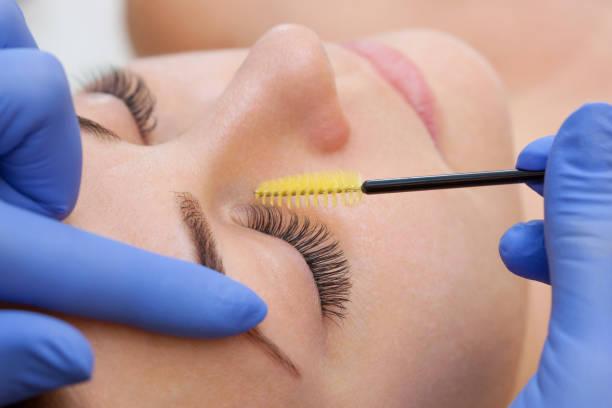
People who notice sparse eyelashes after repeated cosmetic lash treatments may wonder whether Eyelash Hair Transplant in Dubai could help restore their lash line. Extensions, adhesive products, lash lifting, and frequent removal can sometimes contribute to irritation or mechanical stress, but thinning does not automatically mean permanent follicle damage. The first step is to understand why the lashes have changed and whether the underlying problem can be addressed without surgery.
The distinction matters because transplantation is not a substitute for treating active eyelid inflammation or identifying a medical cause of hair loss. A careful assessment can help determine whether the concern is temporary, related to a treatable condition, or potentially suitable for a restorative procedure.
Why Eyelashes May Become Sparse After Cosmetic Treatments
Eyelash extensions and other cosmetic treatments affect the appearance of the lashes in different ways. Some concerns involve the hair shaft, while others may involve the skin around the eyelid or the follicles themselves.
Potential contributing factors include:
-
Mechanical pulling: Heavy extensions, forceful removal, or repeated rubbing may place stress on natural lashes.
-
Product irritation: Adhesives, cleansers, or cosmetic ingredients may trigger irritation or an allergic reaction in some people.
-
Repeated handling: Frequent rubbing or picking at extensions can contribute to breakage and lash loss.
-
Underlying eyelid conditions: Inflammation or other eye-area conditions may cause symptoms and sometimes affect lash growth.
-
Unrelated medical causes: Changes in lash density can occur for reasons unrelated to cosmetic treatments.
The timing of the thinning, associated symptoms, and whether the lashes are breaking or falling out can help guide further assessment. It is not possible to identify the cause from appearance alone.
Does Lash Loss After Extensions Mean You Need a Transplant?
No. Some people experience temporary thinning or breakage, and their lashes may improve after the triggering factor is removed. Others may have persistent loss that requires a more detailed medical evaluation.
Before considering surgery, a clinician should review the history of the problem, examine the eyelids, and assess whether any active irritation or other condition needs attention. Sudden, patchy, or unexplained lash loss should not automatically be treated as a cosmetic concern.
When to seek medical assessment first
Arrange an appropriate medical assessment if you notice persistent redness, itching, swelling, crusting, discharge, or ongoing loss of eyelashes. Eye pain or changes in vision warrant urgent medical attention.
If an adhesive or cosmetic product appears to trigger a reaction, stop using the suspected product and seek professional advice. Avoid experimenting with additional products near an irritated eye.
When Eyelash Hair Transplant in Dubai May Be Considered
Transplantation may be discussed for selected patients with persistent lash sparsity after the cause has been assessed and the condition is considered stable. It is not suitable for everyone, and previous use of extensions does not, by itself, establish that a transplant is necessary.
The clinician may consider:
-
The extent and distribution of missing lashes.
-
Whether the eyelid skin and surrounding tissues are healthy.
-
Whether there is evidence of scarring or another condition affecting the lash line.
-
The availability and characteristics of suitable donor hair.
-
The patient's medical history and expectations.
-
The potential benefits and risks compared with non-surgical approaches.
If inflammation or an underlying condition remains active, that issue may need treatment before elective transplantation is considered.
Understanding the Difference Between Breakage and Persistent Follicle Loss
Not all visible thinning has the same cause. Broken hairs can make the lash line look uneven even when some follicles remain capable of producing new lashes. Persistent follicle loss, by contrast, may require a different assessment and treatment discussion.
A clinician may examine the distribution of the lashes, look for signs of irritation or scarring, and ask about changes over time. Additional evaluation may be appropriate if the pattern suggests an underlying medical issue.
Patients should avoid assuming that a certain number of weeks without extensions proves that the follicles are permanently damaged. Lash growth varies, and recovery depends on the cause and the condition of the follicles.
What to Do Before Considering a Restorative Procedure
If your lashes have become thinner after cosmetic treatments, take a measured approach rather than immediately pursuing surgery.
-
Pause potentially irritating treatments. Give the eyelid area a chance to settle and seek medical advice if symptoms persist.
-
Avoid pulling or rubbing. Do not pick at extensions or attempt forceful removal.
-
Review your products. Keep a record of adhesives, cosmetics, and treatments used before the problem developed.
-
Seek assessment for ongoing loss. A qualified clinician can help identify whether further eye or dermatological evaluation is appropriate.
-
Discuss options only after assessment. If the lash line remains sparse, ask about realistic benefits, risks, and alternatives to transplantation.
Avoid applying unverified growth products, oils, or home remedies close to the eyes, particularly if the eyelids are already irritated.
What Results Can You Expect From Eyelash Transplantation?
The outcome depends on the patient's anatomy, the cause and pattern of lash loss, the donor hair selected, and the surgical technique. Transplanted hairs may differ from natural eyelashes in length, texture, curvature, and growth behaviour. Ongoing trimming or grooming may be necessary.
Transplantation also involves surgical risks, including infection, scarring, irregular hair direction, poor growth, and cosmetic results that do not meet expectations. Because the procedure is close to the eye, the risks and necessary precautions should be discussed carefully before treatment.
A realistic plan focuses on what may be achievable for the individual patient rather than promising a complete return to the original lash line.
Frequently Asked Questions
Can eyelash extensions cause permanent lash loss?
Repeated pulling, breakage, or inflammation may contribute to lash loss, but permanent damage cannot be assumed in every case. A clinician should assess persistent thinning and its possible causes.
How long should I wait before considering a transplant?
There is no single waiting period suitable for everyone. The timing depends on the cause of the thinning, whether the eyelids are healthy, and whether lash growth has stabilised. Discuss the appropriate timeline with a qualified clinician.
Can I continue wearing extensions after an eyelash transplant?
Ask your treating clinician before returning to extensions or using adhesive products near the treated area. The decision depends on healing, the condition of the eyelids, and the clinician's instructions.
Should I use lash growth serum before considering surgery?
Do not start a growth product without considering its ingredients, possible side effects, and suitability for use near the eyes. If your lashes are thinning unexpectedly, identifying the cause should come before choosing a cosmetic product.
Explore Lash Restoration Options at Tajmeels Clinic
If you have noticed persistent eyelash thinning after extensions or other cosmetic treatments, the most useful first step is to understand the cause. Tajmeels Clinic can discuss your concerns and the considerations involved in evaluating eyelash restoration, including whether further medical assessment may be needed before a surgical option is considered.
Visit the Eyelash Hair Transplant in Dubai service page to learn more and enquire about a personalised consultation.
Clinic note: Thinning after cosmetic lash treatments does not automatically indicate permanent follicle damage or a need for transplantation. Persistent lash loss, eyelid inflammation, or other eye symptoms should be assessed before elective cosmetic surgery.
 Russian
 English
 Arabic
 French
 Spanish
 Portuguese
 Deutsch
 Turkish
 Dutch
 Italiano
 Romaian
 Portuguese (Brazil)
 Greek