


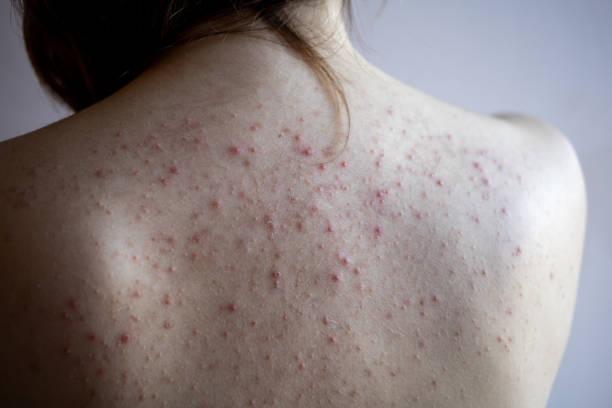
Many people successfully clear their back acne, only to watch it return months later. The difference between temporary clearing and lasting clarity lies in what happens after the breakouts fade. How to Treat Back Acne(كيفية علاج حب الشباب في الظهر) Understanding How to Treat Back Acne for the long term means shifting from reactive treatment to sustained maintenance—a routine you can realistically keep for years, not just weeks. This guide focuses on protecting your progress and building skin health that endures.
Why Long-Term Thinking Changes Everything
Acne Is Often Chronic, Not Curable
Back acne frequently behaves like a chronic condition, similar to eczema or asthma. It can be controlled effectively, but control requires ongoing effort rather than a single course of treatment.
Relapse Is Common Without Maintenance
Once inflammation settles, oil glands and follicles remain capable of clogging again. Without maintenance, triggers such as hormonal shifts, stress, or lifestyle changes can reignite breakouts within months.
Skin Health Compounds Over Time
Consistent care improves barrier function, reduces inflammation, and supports healthier follicle behaviour. The longer you maintain an effective routine, the more resilient your skin becomes.
Protecting Against Scarring
Each new breakout carries scarring risk. Long-term control reduces cumulative damage, preserving smoother skin texture and preventing permanent marks.
Why This Matters
Anyone researching How to Treat Back Acne should understand that maintenance is not optional—it is what preserves results.
Step One: Simplify Your Maintenance Routine
Keep Three Core Products
A gentle cleanser, one leave-on active, and a lightweight moisturiser cover most needs. Everything else is optional.
Reduce Active Frequency Gradually
Once skin clears, step down to using your active two or three times weekly rather than daily. This maintains clarity without over-treating.
Avoid Adding New Products
The temptation to add products for other concerns often introduces irritation. Stick with what worked.
Continue Weekly Exfoliation
Once or twice weekly, use lactic or mandelic acid to keep pores clear without friction damage.
Why This Matters
A Back acne treatment routine that is simple is a routine you will actually maintain.
Step Two: Preserve Your Skin Barrier
Moisturise Daily
Barrier support regulates oil production and reduces reactivity. Lightweight, non-comedogenic lotion remains essential even when skin looks clear.
Avoid Harsh Cleansing
Twice daily with lukewarm water and a mild cleanser, plus after sweating. Hot water and harsh soaps damage the barrier.
Limit Strong Actives
More is not better. Using high concentrations or layering multiple actives causes irritation that triggers new breakouts.
Protect From Sun
Ultraviolet exposure breaks down collagen, darkens scars, and worsens pigmentation. Daily protection on exposed areas preserves results.
Why This Matters
A healthy barrier is the foundation of long-term clarity.
Step Three: Maintain Trigger Control
Shower Promptly After Sweating
Rinsing within thirty minutes of sweating remains the single most effective preventive habit.
Choose Breathable Fabrics
Loose cotton for daily wear and moisture-wicking technical fabrics for exercise.
Change Out of Damp Clothing Immediately
Prolonged contact with damp fabric encourages bacterial growth.
Practise Laundry Hygiene
Wash bedding, towels, and workout clothing in hot water with fragrance-free detergent. Skip fabric softener, which leaves pore-clogging residue.
Manage Hair Products
Rinse conditioner thoroughly and wash hair before your body. Residue is a common and overlooked trigger.
Keep Hands Off
Picking and squeezing worsen inflammation and cause scarring.
Why This Matters
These habits prevent the slow accumulation of triggers that cause relapse.
Step Four: Support Skin From Within
Maintain Stable Weight
Significant fluctuation affects hormones and skin behaviour, potentially triggering new breakouts.
Eat a Balanced Diet
Protein, colourful vegetables, omega-3 fats, and reduced refined sugars support skin health from within.
Stay Hydrated
Water supports circulation, lymphatic function, and skin repair.
Prioritise Sleep
Rest supports hormone balance, tissue repair, and immune function.
Manage Stress
Chronic stress raises cortisol, which increases oil production and inflammation.
Avoid Smoking and Excess Alcohol
Both impair circulation, collagen production, and healing.
Why This Matters
Internal factors shape how skin behaves long term.
Step Five: Recognise Early Warning Signs
Tiny Bumps Along the Shoulders
Early congestion often appears as small bumps before developing into full blemishes.
Increased Oiliness
A sudden return of oiliness suggests the balance has shifted and requires attention.
Return of Breakouts in Familiar Locations
If blemishes reappear where they once clustered, the original trigger is likely still present.
Itching or Irritation
Discomfort may signal irritation, fungal acne, or a barrier problem rather than classic acne.
Why This Matters
Addressing the first signs prevents a minor flare from becoming a widespread breakout.
Step Six: Review and Adjust Over Time
Track Progress Monthly
Photograph your back in consistent lighting. Small changes are easier to address than waiting for a full flare.
Adjust With Seasons
Humidity increases oil production; winter dryness weakens the barrier. Adapt your routine rather than keeping it static.
Reassess With Life Changes
Pregnancy, medication changes, and significant stress all affect skin. Adjust your routine proactively.
Attend Periodic Professional Reviews
Annual assessment allows early identification of changes and keeps your routine suited to your skin's evolving needs.
Why This Matters
Long-term clarity requires periodic adjustment, not autopilot.
Common Mistakes That Cause Relapse
Stopping Treatment Once Skin Clears
This is the most common cause of relapse. Reduce frequency rather than abandoning your routine.
Over-Washing and Scrubbing
Excessive cleansing damages the barrier and triggers rebound oil production.
Skipping Moisturiser
Dehydrated skin produces more oil and heals more slowly.
Ignoring Sun Protection
Ultraviolet exposure undoes much of the progress achieved through consistent care.
Neglecting Trigger Control
Skincare alone cannot overcome ongoing friction, sweat, or irritating laundry products.
Why This Matters
Avoiding these mistakes preserves the progress you have worked to achieve.
When to Seek Professional Help
Persistent Breakouts Despite Maintenance
If breakouts continue after eight to twelve weeks of consistent care, prescription options may be necessary.
Deep or Painful Lesions
Nodular acne requires professional care and carries higher scarring risk.
Significant Pigmentation or Scarring
Professional treatments can improve marks and texture once active acne is controlled.
Hormonal Patterns
Breakouts following a hormonal rhythm may benefit from targeted therapies.
Customised Planning
A Back acne treatment plan should be reviewed periodically with a professional who understands your history and skin type.
Final Thoughts: Maintenance Is the Treatment
Keeping back acne from returning requires the same habits that cleared it—just at a reduced intensity. Gentle cleansing, one active used consistently, daily moisturising, trigger control, and patience with timelines all remain essential. Understand How to Treat Back Acne as an ongoing practice rather than a completed project, and lasting clarity becomes genuinely achievable.
For those seeking expert guidance and customized aesthetic care, you can book an appointment consultation at the 'Enfield Royal Riyadh(إنفيلد رويال الرياض).
FAQs
Why does my back acne come back after clearing?
Acne is often chronic, and stopping your routine once skin clears usually triggers relapse.
How do I maintain clear skin long term?
Continue gentle cleansing, use one active two to three times weekly, moisturise daily, and control triggers.
Should I stop treatment once my back clears?
No, reduce frequency rather than stopping entirely to prevent breakouts from returning.
How often should I review my routine?
Monthly photograph reviews help catch early changes before they become widespread flares.
When should I see a dermatologist again?
If breakouts persist despite consistent maintenance, or if deep, painful, or scarring lesions develop.

 English
 Arabic
 Spanish
 Portuguese
 Deutsch
 Turkish
 Dutch
 Italiano
 Russian
 Romaian
 Portuguese (Brazil)
 Greek