


How Does Rhinoplasty Improve a Drooping Nose Tip?
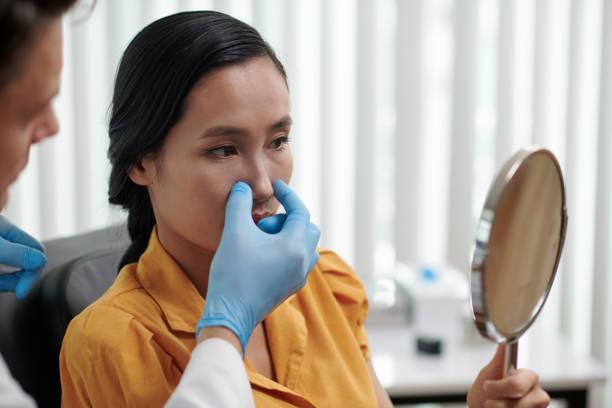
A drooping nose tip can affect the overall appearance of the face, making the nose look longer or less defined. It may be noticeable when the face is viewed from the side or when smiling. Rhinoplasty is a surgical procedure that can reshape the nose and improve the position of its tip while maintaining facial harmony. For individuals considering Rhinoplasty in Riyadh (عملية تجميل الانف في الرياض), understanding how surgeons correct a drooping tip can help them make informed decisions about their treatment options.
What Is a Drooping Nose Tip?
A drooping nose tip occurs when the end of the nose points downward instead of maintaining a balanced position. Some people naturally have this nasal shape, while others notice the tip becoming more prominent with age. The appearance can vary depending on facial structure, nasal cartilage strength, skin thickness, and the movement of facial muscles.
Common Causes of a Drooping Nose Tip
Several factors can contribute to a downward-pointing nasal tip:
-
Natural anatomy: The shape and strength of the nasal cartilage may cause the tip to point downward.
-
Age-related changes: Changes in skin elasticity and supporting tissues can affect nasal tip position over time.
-
Muscle movement: In some individuals, the tip appears to drop more noticeably when smiling.
-
Previous nasal surgery or injury: Changes to the nasal structure may influence tip support and position.
Identifying the underlying cause is important because the appropriate treatment depends on the individual's nasal anatomy and concerns.
How Does Rhinoplasty Correct a Drooping Nose Tip?
Rhinoplasty can improve a drooping nose tip by reshaping or repositioning the cartilage that supports the lower part of the nose. During surgery, the surgeon assesses the nasal framework and determines how to achieve a more balanced appearance without compromising breathing.
Reshaping and Supporting Nasal Cartilage
The nasal tip is supported by cartilage that influences its shape, projection, and rotation. A surgeon may adjust the cartilage or use carefully selected support techniques to help position the tip in a more suitable direction. The aim is to create a stable, natural-looking result rather than an overly raised or artificial appearance.
Improving Nasal Tip Rotation
Tip rotation refers to the angle at which the nose tip points. When the tip points too far downward, the surgeon may adjust its rotation to create a more balanced relationship between the nose and upper lip. The ideal angle varies from person to person and depends on facial proportions, anatomy, and personal preferences.
Creating Better Facial Balance
A drooping tip can make the nose appear longer or heavier, particularly in profile. By improving tip position, rhinoplasty may create a smoother nasal profile and a more harmonious relationship between the nose, lips, and chin. The goal is to complement the individual's existing features rather than follow one standard nose shape.
Can Rhinoplasty Correct a Nose Tip That Drops When Smiling?
In some cases, a nose tip appears to drop mainly during smiling because of the movement of muscles around the nose and upper lip. A surgical assessment can help determine whether the concern is caused by cartilage structure, muscle activity, or a combination of factors.
Depending on the cause, the surgeon may recommend a structural approach to improve tip support. Not every drooping tip requires the same technique, and surgery cannot guarantee that all movement during facial expressions will disappear. A personalised consultation helps establish realistic expectations.
Who May Be Suitable for Nose Tip Rhinoplasty?
People who are concerned about a downward-pointing nasal tip may consider rhinoplasty if they are in good general health and have realistic expectations about the results. Suitable candidates may include individuals who:
-
Feel their nose tip looks too low or makes the nose appear longer.
-
Want a more balanced side profile.
-
Have a drooping tip that becomes more noticeable when smiling.
-
Understand the recovery process and potential surgical risks.
A consultation is essential to determine whether surgery is appropriate. The surgeon will examine nasal structure, skin thickness, breathing function, and overall facial proportions before recommending a treatment plan.
What Should You Expect During Recovery?
After rhinoplasty, temporary swelling, bruising, and tenderness are common. The nose may initially look swollen, and the final contour can take months to become clearer as the tissues heal. The nasal tip may take longer to settle than other areas of the nose.
Patients should follow their surgeon's aftercare instructions, attend follow-up appointments, avoid activities that could injure the nose, and refrain from judging the final result too early. Recovery differs between individuals, and the surgeon will provide guidance based on the procedure performed.
What Are the Risks and Limitations?
Like any surgery, rhinoplasty carries potential risks, including bleeding, infection, scarring, breathing difficulties, asymmetry, and dissatisfaction with the cosmetic result. The tip may also heal differently than expected, and further surgery may occasionally be considered. Choosing a qualified, experienced surgeon and discussing expectations clearly can help patients understand these risks before proceeding.
Book a Rhinoplasty Consultation at Royal Clinic Saudia
If a drooping nose tip affects your confidence or facial balance, a professional assessment can help you understand the available options. At Royal Clinic Saudia (عيادات رويال كلينك), individuals considering Rhinoplasty in Riyadh can discuss their concerns, nasal anatomy, expected outcomes, and suitable surgical approaches with a qualified specialist. A personalised consultation helps establish realistic goals and supports informed decisions about treatment.
FAQs:
Can rhinoplasty permanently lift a drooping nose tip?
Rhinoplasty can provide a long-lasting change by reshaping and supporting the nasal tip. However, healing, ageing, and individual anatomy can influence the long-term appearance.
Can a drooping nose tip be corrected without surgery?
Non-surgical treatments may provide limited temporary changes in selected cases, but they cannot reproduce the structural correction offered by surgery. A specialist can explain which options, if any, are appropriate.
How long does it take for the nose tip to settle after rhinoplasty?
Swelling gradually decreases over several months, and the tip may take a year or longer to refine fully. The timeline depends on the surgical technique, skin thickness, and individual healing.
Will lifting the nose tip affect my breathing?
A carefully planned procedure aims to preserve or improve nasal function where possible. However, breathing changes are a potential risk, so nasal function should be assessed before surgery and considered throughout treatment planning.
 French
 English
 Arabic
 Spanish
 Portuguese
 Deutsch
 Turkish
 Dutch
Dutch
 Italiano
 Russian
 Romaian
 Portuguese (Brazil)
 Greek
Greek