


Custom Rigid Set Up Boxes Wholesale for Packaging Brands
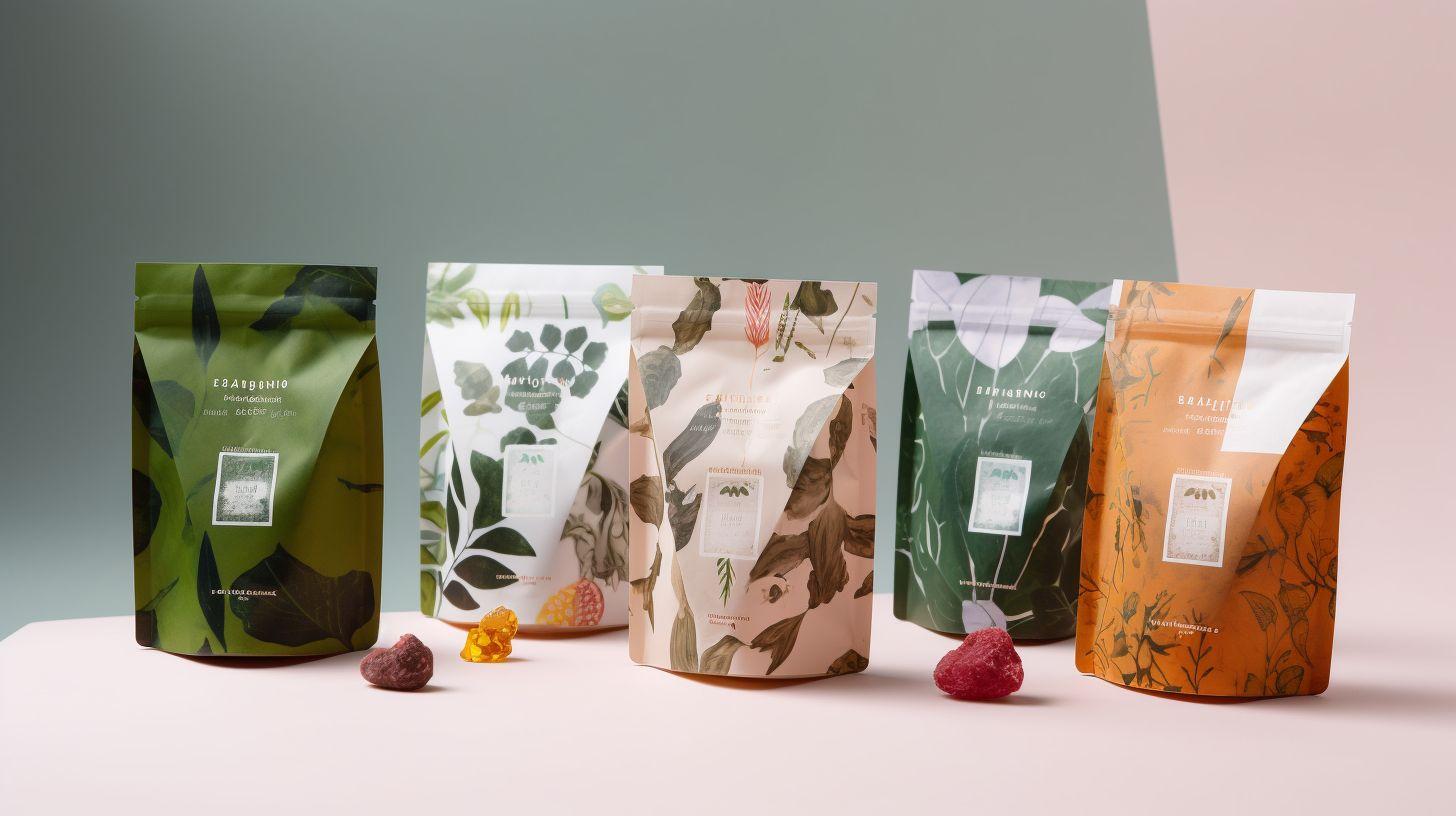
Custom Rigid Set Up Boxes Wholesale for Flexible Packaging Brands
Custom rigid set up boxes wholesale help businesses present premium products in sturdy, well-organized packaging, while flexible pouches provide a lightweight option for products that need compact storage or convenient dispensing. Choosing the right format—or combining both—depends on product protection, branding goals, material requirements, and the customer experience a business wants to create.
Choosing the Right Packaging Format
Packaging does more than contain a product. It protects items, communicates brand values, and helps customers understand what they are buying. For businesses selling cosmetics, food, personal care products, accessories, and promotional goods, selecting the right packaging format can influence product presentation and operational costs.
Rigid boxes and flexible pouches serve different purposes. Rigid boxes provide structure and a premium presentation, while pouches are lightweight and adaptable to many product types. Businesses should compare the product’s requirements, shipping conditions, budget, and retail environment before making a decision.
Understanding Rigid Boxes and Flexible Pouches
What Makes Rigid Boxes Different?
Rigid boxes use thick paperboard to create a firm structure that holds its shape. They are commonly used for gift sets, electronics, jewelry, cosmetics, and premium merchandise. Options such as magnetic closures, lift-off lids, printed interiors, and custom inserts can make the packaging more distinctive.
For businesses ordering custom rigid set up boxes wholesale, consistent dimensions and construction can help maintain a uniform appearance across multiple product lines. These boxes can also be designed to hold several products together in one organized package.
When Are Flexible Pouches Useful?
Flexible pouches are made from materials that bend and adapt to the product inside. Depending on their construction, they may include resealable zippers, tear notches, spouts, hang holes, or flat bottoms that allow them to stand upright.
Custom Packaging Pouches can suit products such as snacks, powders, personal care refills, small accessories, and sample-sized items. The appropriate material depends on factors such as moisture sensitivity, oxygen exposure, product weight, shelf life, and whether the packaging will contact food.
Key Benefits for Businesses
Product Protection and Practicality
The right packaging helps limit damage, contamination, and unnecessary movement. Rigid boxes can protect presentation items from being crushed during ordinary handling, especially when paired with fitted inserts. However, delicate or heavy products may still require cushioning and a suitable shipping carton.
Pouches can provide a compact barrier against selected environmental factors when the correct film structure and seal are used. For example, products sensitive to moisture or oxygen may need specialized barrier layers. Packaging performance should be verified against the actual product and storage conditions rather than assumed from appearance alone.
Branding and Customer Experience
Packaging is often the first physical interaction customers have with a brand. Rigid boxes can create a gift-like experience through high-quality printing, textured finishes, foil accents, and carefully arranged interiors. Pouches can offer clear product information, bold graphics, and convenient features that make products easier to store and use.
A brand may use a pouch as the primary package and a rigid box for a gift set or premium bundle. This approach can separate everyday convenience from special-edition presentation, although the added materials and cost should be justified by the product’s value.
Storage, Shipping, and Costs
Pouches generally take up less empty space before filling than rigid boxes, which can make storage and transport of unfilled packaging more efficient. Rigid boxes need more storage space because they maintain their shape, and some styles cannot be shipped completely flat.
When comparing custom rigid set up boxes wholesale with flexible formats, consider more than the unit price. Include printing, inserts, filling equipment, shipping, storage, protective outer packaging, and potential product damage. A lower-cost package may not deliver the best overall value if it causes more returns or fails to protect the contents.
How to Select Materials and Designs
Match the Structure to the Product
Start by identifying the product’s dimensions, weight, fragility, shelf life, and intended use. Small premium accessories may benefit from a rigid box with a fitted insert. Dry goods or refill products may work better in a pouch with an appropriate barrier and closure.
For products sold as a set, the two formats may complement each other. A pouch can contain the product, while a presentation box organizes the pouch alongside instructions, accessories, or promotional materials.
Prioritize Clear Branding and Usability
Use readable typography, consistent brand colors, and accurate product information. For rigid boxes, test the lid fit, insert placement, and ease of opening. For pouches, check seal strength, zipper performance, filling compatibility, and whether customers can access the product without unnecessary difficulty.
Before placing a large order, request samples. Review the printed colors, material feel, measurements, and performance under realistic handling conditions. This is particularly important when custom rigid set up boxes wholesale are being developed for a new product launch or a recurring retail program.
Sustainability and Material Considerations
Packaging sustainability depends on the material, the amount used, the product’s protection needs, and the local waste-management system. Paperboard boxes may be recyclable where suitable collection systems exist, but coatings, magnets, foam inserts, and mixed-material components can complicate disposal.
Custom Packaging Pouches also presents challenges. A 2025 study published in Waste Management reported that flexible plastic packaging recycling in the United States was around 2% under the recycling infrastructure assessed by the researchers. The authors explored scenarios for improving recycling, but actual outcomes depend on collection systems, material design, and market conditions.
Businesses should ask suppliers about material composition, recycled content, and available end-of-life options. Avoid broad claims such as “fully recyclable” unless the complete package can be supported by evidence relevant to the intended market.
Frequently Asked Questions
Are rigid boxes better than pouches?
Neither format is universally better. Rigid boxes suit structured presentation and many premium products, while pouches are often useful for lightweight products, refills, and compact storage.
Can a brand use both formats together?
Yes. A pouch can hold the product while a rigid box provides presentation and organization for gift sets, promotional kits, or premium bundles.
What should businesses check before ordering wholesale packaging?
Confirm dimensions, materials, printing, protection requirements, minimum order quantities, lead times, shipping costs, and sample approval before authorizing production.
Final Thoughts
The best packaging format depends on what the product needs and how customers will store, transport, and use it. Rigid boxes provide structure and a premium presentation, while pouches offer flexibility and convenient packaging options.
By evaluating protection, branding, storage, total costs, and material recovery, businesses can make a more informed decision. With thoughtful planning, custom rigid set up boxes wholesale can support consistent premium presentation, while complementary pouch formats can serve products that require a lighter and more flexible solution.
 Portuguese (Brazil)
 English
 Arabic
 French
 Spanish
 Portuguese
 Deutsch
 Turkish
 Dutch
Dutch
 Italiano
 Russian
 Romaian
 Greek
Greek